Biblical Remedy Finder
How to use: Select a symptom or a specific herb from the options below to learn how it was used in the first century and what its modern equivalent is.
Browse by Herb
Browse by Symptom
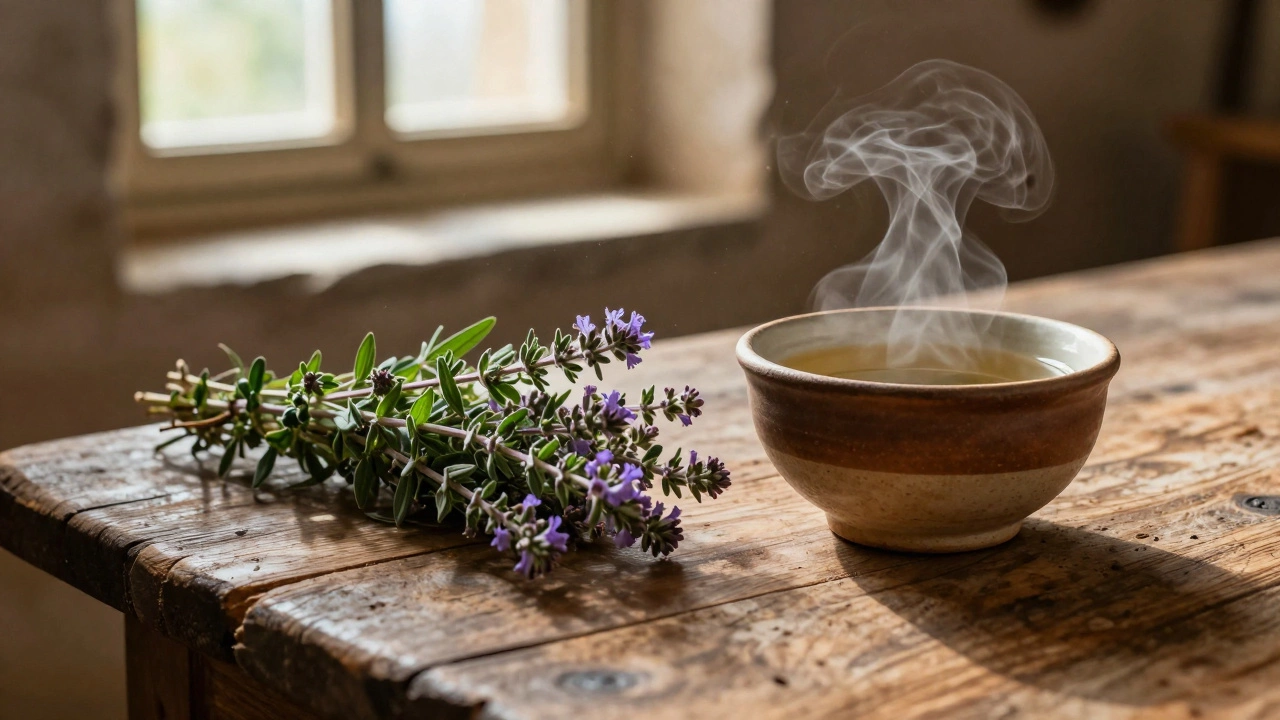
Hyssop
Used for respiratory relief and ritual cleansing.
Key Takeaways
- Hyssop was widely used for ritual cleansing and potentially as an expectorant.
- Frankincense and Myrrh were high-value resins used for wound healing and inflammation.
- The "balm of Gilead" represents a class of resinous plants used for skin repair.
- Olive oil served as the primary carrier for most medicinal herbal infusions.
The Role of Hyssop in Ancient Judea
If you read the scriptures, you'll see Hyssop is a small, aromatic plant from the Lamiaceae family used for both spiritual purification and physical healing. In the biblical context, it was often used as a brush for sprinkling water or blood during rituals. But from a botanical perspective, hyssop contains compounds that act as an expectorant, meaning it helps clear mucus from the lungs.
Imagine a dusty village in Galilee. If someone had a persistent cough or a chest cold, a tea made from hyssop leaves would have been the go-to remedy. It wasn't just a symbol of purity; it was a practical tool for respiratory health. Even today, some people use it in aromatherapy to open up the airways, though the modern variety often differs slightly from the ancient Middle Eastern species.
Frankincense and Myrrh: More Than Just Gifts
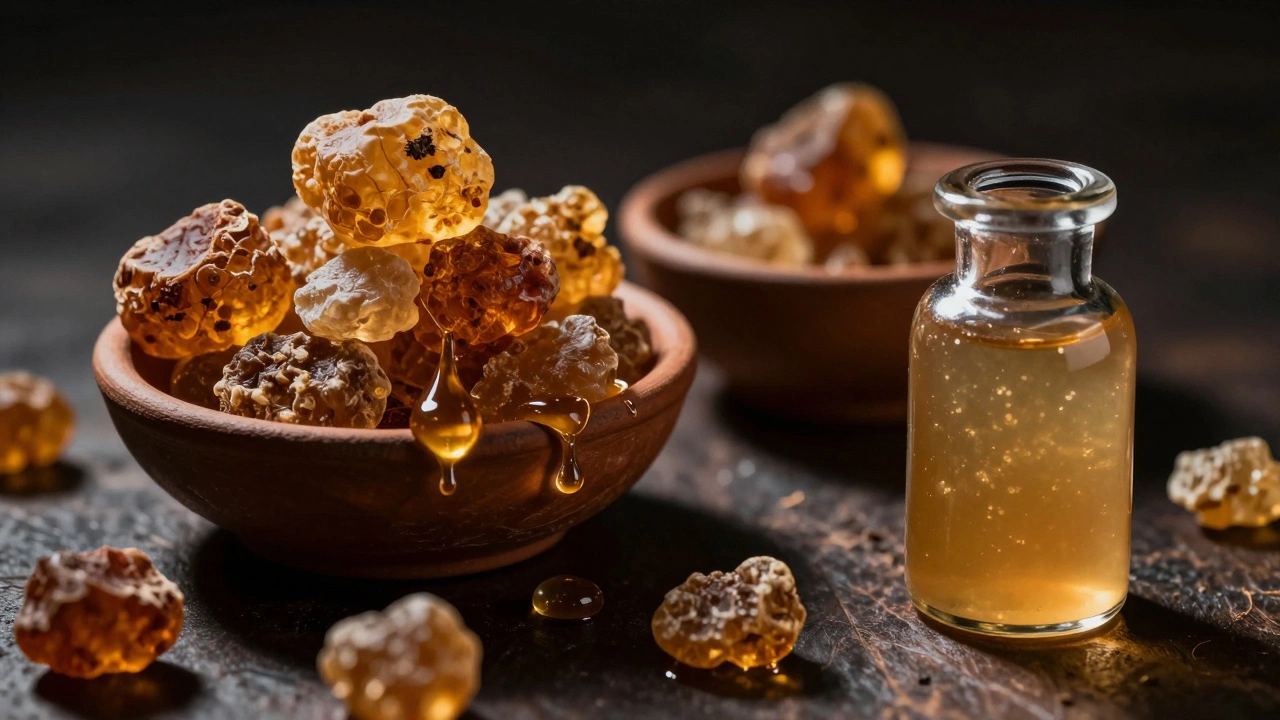
Most people remember Frankincense and Myrrh as gifts brought by the Magi, but these were actually the "pharmaceuticals" of the ancient world. Frankincense is a resin harvested from the Boswellia tree. It contains boswellic acids, which are powerful anti-inflammatories. If Jesus or his disciples suffered from joint pain or swelling, this resin was the most effective tool available.
Myrrh, on the other hand, is known for its antiseptic properties. In the first century, it was used to treat wounds and prevent infection. If you had a deep cut or a skin ulcer, applying a myrrh-based salve would create a protective barrier and kill bacteria. These weren't just luxury items; they were essential for survival in a world without synthetic antibiotics.
| Herb/Resin | Primary Use | Modern Equivalent | Key Property |
|---|---|---|---|
| Hyssop | Respiratory relief | Expectorant/Tea | Mucolytic |
| Frankincense | Joint and muscle pain | Anti-inflammatory supplement | Boswellic Acid |
| Myrrh | Skin wounds/Infections | Antiseptic salve | Antibacterial |
| Olive Oil | Carrier/Moisturizer | Carrier oil/Lotion | Emollient |
The Mystery of the Balm of Gilead
You'll often hear the phrase "Is there no balm in Gilead?" referring to Balm of Gilead. While this is often used metaphorically for healing the soul, it refers to a very real substance. Botanists believe this was a resin obtained from the Commiphora gileadensis tree.
This specific balm was prized for its ability to heal skin diseases and burns. In a region with intense sun and rugged terrain, skin protection and repair were constant needs. The resin acted as a sealant, keeping moisture in and bacteria out. When we talk about biblical herbs, we are really talking about a sophisticated understanding of resinous compounds that could stabilize a wound long before the invention of the bandage.
Olive Oil: The Universal Carrier
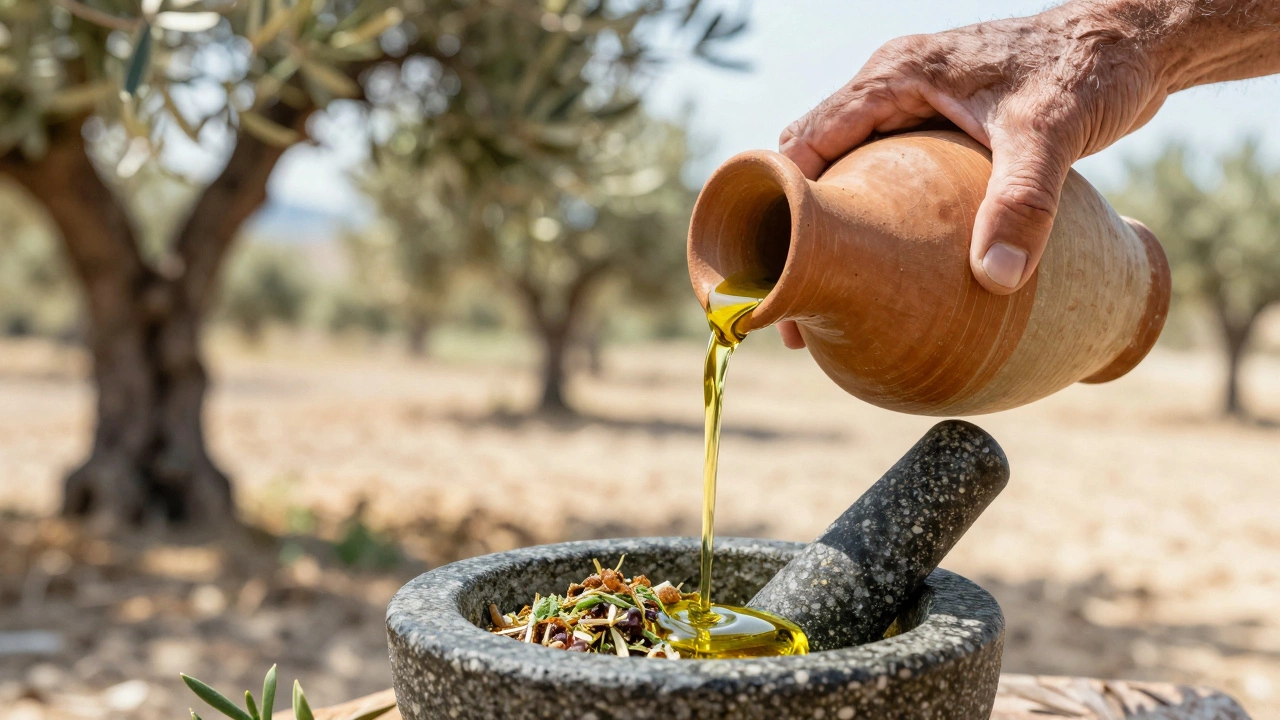
You can't talk about herbs in the Bible without talking about Olive Oil. In the ancient Levant, olive oil was the base for almost every herbal preparation. Why? Because herbs are often fat-soluble. If you just put a leaf on a cut, it doesn't do much. But if you infuse that leaf into olive oil, the oil extracts the active medicinal compounds.
Jesus is often depicted in the context of anointing, which is essentially a medical treatment. Anointing the sick with oil infused with herbs like cinnamon or myrrh was the standard way to deliver medicine. The oil provided a protective layer on the skin, while the infused herbs worked to reduce inflammation or kill germs. It was a simple but effective delivery system that we still use today in the form of essential oil carriers.
Other Common Flora of the Region
Beyond the famous ones, several other plants would have been common in the environment where Jesus spent his time. Aloe Vera, while more common in Egypt and North Africa, was known in the region for treating burns. Mint and Cumin were used for digestive issues. If you've ever had a stomach ache after a heavy meal, these herbs would have been the first choice for a first-century resident of Galilee.
The use of Honey was also prevalent. While not a herb, it was almost always paired with them. Honey acts as a natural preservative and an osmotic agent, pulling fluid out of a wound and concentrating the herbal medicine. This combination of honey and resinous herbs is very similar to the medical-grade honey dressings used in modern hospitals to treat stubborn ulcers.
How to Use These Ancient Insights Today
Bringing these ancient remedies into a modern lifestyle requires a bit of caution. We have the benefit of standardized dosages and purity tests that didn't exist 2,000 years ago. However, the basic principles remain. If you're looking for natural anti-inflammatory support, boswellia (the modern name for frankincense) is still widely available as a supplement for joint health.
For skin care, using a high-quality carrier oil like olive oil to apply botanical extracts is still the gold standard for moisturizing. The key is to look for organic sources to avoid the pesticides that the ancients obviously didn't have to worry about. Instead of seeing these as "miracle cures," view them as the early foundations of pharmacology.
Did Jesus actually prescribe these herbs?
The Bible doesn't record specific herbal prescriptions given by Jesus. However, he lived in a culture where these plants were the primary form of medicine. The use of "oil and wine" for wounds in the New Testament reflects the standard medical practice of the time.
Is Hyssop safe to use today?
Generally, yes. Hyssop is used in teas and essential oils. However, because it contains ketones, it can be irritating to some people's skin or respiratory systems if used in high concentrations. Always dilute essential oils in a carrier oil before applying them to the skin.
Where can I find genuine Frankincense?
Look for Boswellia sacra or Boswellia serrata. Ensure the product is sourced from regions like Oman or Ethiopia and check for purity certifications to make sure it isn't mixed with synthetic fragrances.
What is the difference between Myrrh and Frankincense?
Frankincense is primarily used for its anti-inflammatory and respiratory benefits, while Myrrh is more focused on antiseptic and wound-healing properties. Frankincense has a citrusy, pine-like scent, whereas Myrrh is earthier and more bitter.
Why was Olive Oil so important in biblical healing?
Olive oil served two purposes: it protected the skin from dehydration and served as a solvent that could extract the active ingredients from herbs, allowing them to penetrate the skin more effectively.
Next Steps for Natural Wellness
If you're interested in exploring these remedies, start small. Try incorporating organic olive oil into your skin routine or using a diluted boswellia oil for joint massage. If you have a chronic condition, don't swap your prescriptions for herbs without talking to a doctor first. These ancient tools are great for support, but they work best as part of a balanced approach to health.