Surgical Risk Comparison Tool
Select Procedure Scenario
Risk Assessment Results
Based on current medical data (2025-2026)
Primary Risks & Complications:
- Select a scenario to view risks...
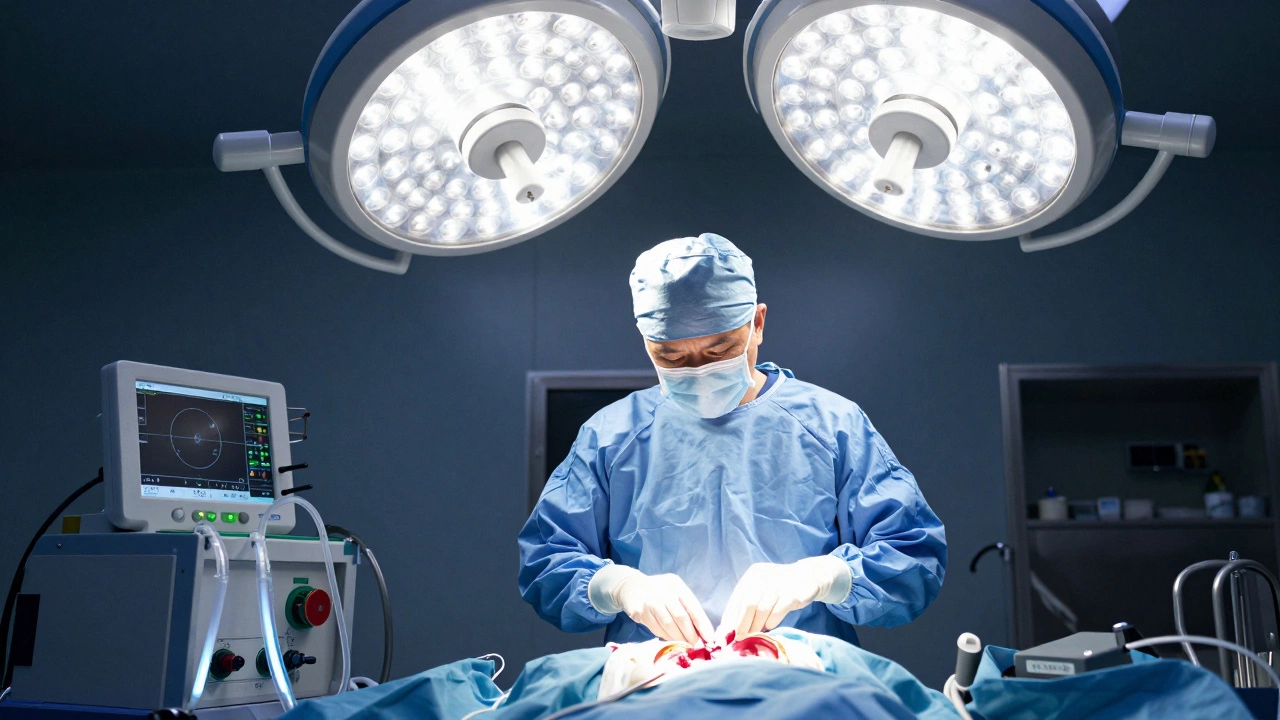
Walking into an operating room is one of the most vulnerable moments in a person’s life. You hand over your body to a team of strangers, trusting that they will fix what is broken without causing more harm. But not all surgeries carry the same weight. While removing a gallbladder or fixing a hernia has become routine with low complication rates, some procedures remain high-stakes gambles where the margin for error is razor-thin.
If you are researching this topic, you might be facing a difficult diagnosis yourself, or perhaps you are helping a loved one navigate a scary medical decision. The question isn't just "what is risky?" but "why is it risky, and can those risks be managed?" Based on current medical data from 2025 and early 2026, three types of surgeries consistently top the list for highest mortality and complication rates: complex heart surgery, specifically open-heart procedures like coronary artery bypass grafting (CABG) and valve replacements, major brain surgery, particularly resections for deep-seated tumors or aneurysm clipping, and organ transplants, especially multi-organ or liver transplants in critically ill patients.
Why Heart Surgery Remains the King of Risk
When people talk about dangerous operations, cardiac surgery usually comes up first. And for good reason. The heart is the engine of your body; if it stops beating for even a few minutes during the procedure, brain damage begins. Most high-risk heart surgeries involve stopping the heart entirely and using a machine called a cardiopulmonary bypass to keep blood flowing through your body. This process, while life-saving, introduces significant stress on every other organ system.
The riskiest category here includes emergency coronary artery bypass grafts (CABG) performed on patients who have already suffered a massive heart attack. In these cases, the heart muscle is already weak and inflamed. According to recent data from the Society of Thoracic Surgeons, the mortality rate for elective CABG is less than 1%, but for emergency cases in unstable patients, it can jump to 5% or higher. Then there are aortic arch repairs. Fixing a dissected or aneurysmal aorta requires clamping the main artery leaving the heart. During this time, surgeons must carefully manage blood flow to the brain to prevent stroke. A single slip in temperature management or blood pressure control can lead to permanent neurological deficits or death.
It is also important to look at the patient profile. Heart surgery patients are often older, with comorbidities like diabetes, kidney disease, or chronic lung issues. These underlying conditions compound the surgical risk. For example, a patient with severe pulmonary hypertension faces a much higher chance of right-sided heart failure after sternotomy (opening the chest bone). This is why pre-operative cardiac rehabilitation and thorough risk scoring systems like the EuroSCORE II are critical tools used by teams today to predict outcomes.
Brain Surgery: Operating on the Control Center
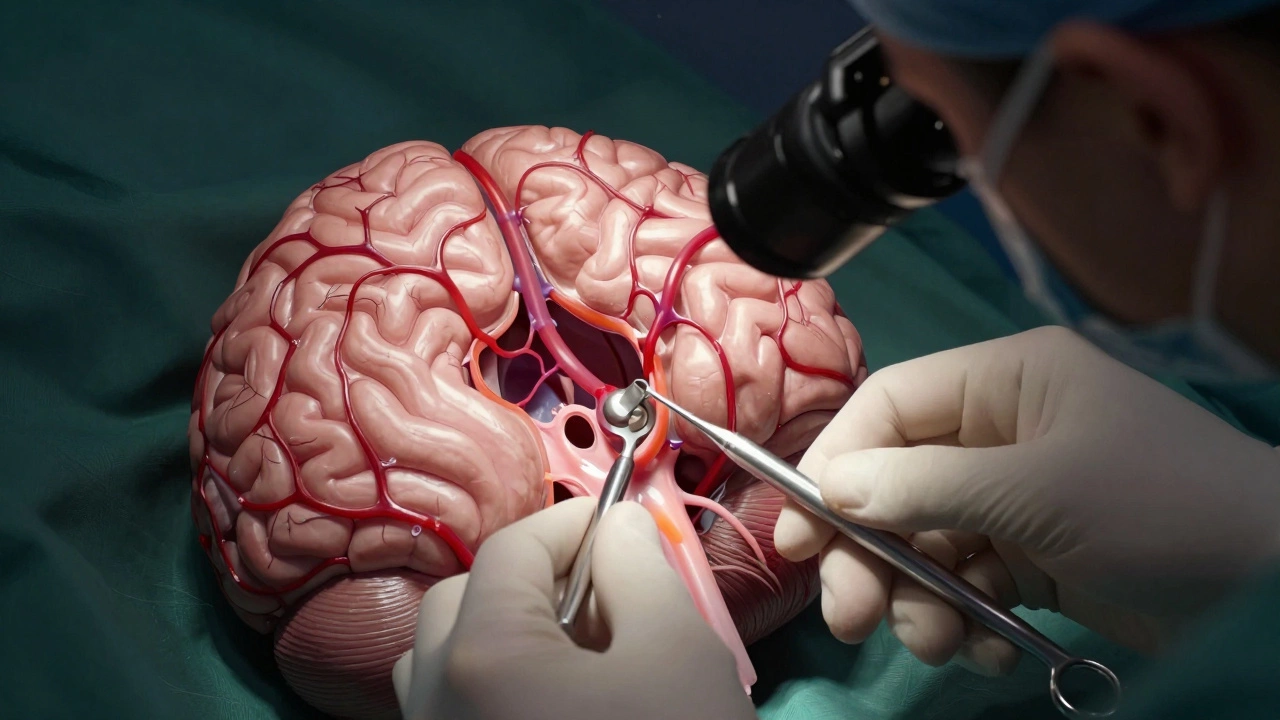
If heart surgery is risky because the organ is vital, neurosurgery is risky because the tissue is irreplaceable. You cannot replace a section of the brain. If a surgeon removes a tumor, they must ensure they do not remove the part of the brain responsible for speech, movement, or memory. The complexity here lies in precision. We are talking about margins measured in millimeters.
The most dangerous brain surgeries involve deep-seated glioblastomas or intracranial aneurysms. Glioblastomas are aggressive cancers that weave themselves into healthy brain tissue. Removing them completely is nearly impossible without damaging critical functions. Surgeons often use awake craniotomies, where the patient is conscious during parts of the operation so they can speak or move fingers, allowing the surgeon to map functional areas in real-time. Even with this technology, the risk of post-operative seizures, infection, and hemorrhage remains high.
Aneurysm clipping is another high-stakes procedure. An aneurysm is a bulging weak spot in a blood vessel. If it bursts, it causes a subarachnoid hemorrhage, which is fatal in many cases. The surgery involves placing a tiny metal clip across the neck of the aneurysm to stop blood flow into it. The danger? The vessels in the brain are incredibly fragile. Manipulating them can cause spasms or accidental tearing. Post-surgical vasospasm, where blood vessels narrow days after the operation, is a leading cause of delayed brain injury and death in these patients. The mortality rate for ruptured aneurysm surgery can exceed 30% depending on the patient's condition upon arrival at the hospital.
Organ Transplants: The Ultimate Gamble
Organ transplantation sits at the intersection of surgical complexity and immunological warfare. It is not just about connecting pipes and vessels; it is about convincing your immune system not to attack the new organ. Among transplants, liver transplants and pancreas-kidney combinations are among the most physiologically demanding.
Liver transplants are particularly perilous because the liver plays a central role in blood clotting, detoxification, and metabolism. Patients needing a liver transplant are often in liver failure, meaning their bodies are already struggling to maintain basic homeostasis. During the surgery, the old liver is removed, leaving the patient without a functioning liver for a period known as the "anhepatic phase." During this time, metabolic chaos ensues. Acidosis, electrolyte imbalances, and coagulopathy (inability to clot blood) can occur rapidly. The surgical team must act quickly to reconnect the vascular structures and bile ducts before the patient crashes.
Furthermore, the long-term risk involves rejection and the side effects of lifelong immunosuppressant drugs. These drugs lower the body's ability to fight infections, making patients susceptible to opportunistic infections that can be deadly. In 2025, advancements in donor allocation algorithms and preservation techniques have improved outcomes, but the immediate perioperative mortality for urgent liver transplants remains around 5-10%. Multi-organ transplants, such as heart-lung or liver-kidney, multiply these risks exponentially due to the extended operative time and greater physiological insult.
Comparing the Risks: A Data-Driven View
To understand the scale of these risks, we need to look at the numbers. However, raw mortality rates can be misleading. A surgery might have a high mortality rate simply because it is performed on the sickest patients. Context matters. Below is a comparison of approximate mortality and major complication rates for high-risk scenarios in each category.
| Surgery Type | Procedure Example | Approx. Mortality Rate (High Risk) | Key Complications |
|---|---|---|---|
| Heart Surgery | Emergency CABG / Aortic Arch Repair | 3% - 8% | Stroke, Kidney Failure, Arrhythmia |
| Brain Surgery | Ruptured Aneurysm Clipping | 15% - 30% | Hemorrhage, Vasospasm, Seizures |
| Organ Transplant | Urgent Liver Transplant | 5% - 10% | Bleeding, Rejection, Infection |
Note that these figures represent high-acuity cases. Elective procedures in stable patients have significantly lower risks. For instance, an elective mitral valve repair in a healthy 50-year-old carries a mortality risk of less than 0.5%. The "riskiness" is heavily dictated by the urgency and the patient's baseline health.
Factors That Increase Surgical Risk Beyond the Procedure
It is easy to blame the surgery itself, but patient-specific factors often play a larger role in outcomes. Medical professionals use risk calculators that weigh variables such as:
- Age: Physiological reserve declines with age. A 75-year-old heart tolerates stress far worse than a 45-year-old heart.
- Comorbidities: Diabetes impairs wound healing. Chronic Obstructive Pulmonary Disease (COPD) makes intubation and ventilation risky. Kidney disease increases the likelihood of acute renal failure post-op.
- Nutritional Status: Malnourished patients have weaker immune systems and poorer tissue integrity, leading to higher infection and dehiscence (wound opening) rates.
- Smoking and Alcohol Use: Smoking constricts blood vessels and reduces oxygen delivery, crucial for healing. Alcohol abuse affects liver function and clotting mechanisms.
In Bangalore and other major medical hubs, pre-habilitation programs are becoming standard. These involve strengthening the patient's heart and lungs through exercise and nutrition weeks before surgery. Studies show that even two weeks of pre-hab can reduce post-operative complications by up to 20%. This shift from purely surgical skill to holistic patient preparation is changing the risk landscape.
How Modern Technology Is Lowering the Odds
While these surgeries remain risky, they are safer today than they were a decade ago. Robotics, artificial intelligence, and minimally invasive techniques are driving this improvement. Robotic-assisted heart surgery, for example, allows for smaller incisions, less blood loss, and faster recovery times compared to traditional open-chest approaches. In neurosurgery, intraoperative MRI and fluorescence-guided resection help surgeons see tumor boundaries clearly, sparing healthy tissue.
Enhanced Recovery After Surgery (ERAS) protocols also play a huge role. ERAS involves standardized care pathways that optimize pain management, early mobilization, and nutritional support. By reducing the physiological shock of surgery, these protocols decrease the incidence of pneumonia, blood clots, and delirium, which are common killers in post-operative care.
Questions Patients Should Ask Their Surgeon
If you or a loved one is facing one of these high-risk surgeries, information is power. Do not hesitate to ask specific questions:
- "What is your personal volume of this specific procedure per year?" (High-volume surgeons generally have better outcomes.)
- "What is the hospital's mortality rate for this surgery compared to the national average?"
- "What are the most likely complications I should watch for in the first 48 hours?"
- "Is there a minimally invasive option suitable for my anatomy?"
- "What is the plan if the surgery goes wrong?"
Understanding the risks does not mean avoiding necessary treatment. It means entering the operating room with eyes wide open, prepared for the journey ahead, and confident in the team guiding you.
Is heart surgery always considered high risk?
No. Routine procedures like angioplasty or elective valve repairs in healthy patients have very low mortality rates, often below 1%. The high risk is associated with emergency surgeries, multiple valve replacements, or patients with severe existing health conditions.
Which brain surgery has the highest mortality rate?
Surgery for ruptured intracranial aneurysms and large, deep-seated malignant brain tumors (like glioblastoma multiforme) carries the highest mortality rates. Ruptured aneurysms can have mortality rates exceeding 30% due to the initial bleed and subsequent surgical complications.
Can lifestyle changes reduce surgical risk?
Yes. Quitting smoking, controlling blood sugar levels, improving nutrition, and engaging in light exercise (pre-habilitation) before surgery can significantly lower the risk of complications like infections, poor wound healing, and respiratory issues.
Why are organ transplants considered risky?
Organ transplants are risky due to the complexity of the surgery, the physiological stress on the body, and the lifelong need for immunosuppressant drugs. These drugs increase the risk of infections and certain cancers, while the surgery itself carries risks of bleeding, rejection, and organ failure.
How does surgeon experience affect surgical outcomes?
Surgeon experience is a critical factor. High-volume surgeons who perform a specific complex procedure frequently tend to have lower complication and mortality rates. This is known as the "volume-outcome relationship." Choosing a specialist with extensive experience in your specific condition is vital.