Orthopedic Imaging: What It Is and How It Helps Diagnose Knee, Spine, and Joint Problems
When your knee aches, your back locks up, or your shoulder won’t move, orthopedic imaging, a set of medical techniques used to visualize bones, joints, and soft tissues for diagnosis and treatment planning. Also known as musculoskeletal imaging, it’s the reason doctors don’t have to guess what’s wrong inside your body. It’s not magic—it’s science. And in India, where arthritis, sports injuries, and aging-related joint wear are common, this is how real treatment starts.
Most people think of an X-ray, a quick, low-cost scan that shows bone structure and alignment when they hear "orthopedic imaging." And yes, it’s the first step for broken bones, spinal curvature, or bone-on-bone arthritis. But if your pain doesn’t show up on an X-ray, the next step is often an MRI, a detailed scan that reveals ligaments, tendons, cartilage, and early inflammation. For complex fractures or spine issues, a CT scan, a 3D X-ray that gives cross-sectional views of bone detail might be used. Each tool has its job. An X-ray tells you if the bone is broken. An MRI tells you if the meniscus is torn. A CT scan shows exactly how a fracture lines up.
These aren’t just hospital tools—they’re part of everyday decisions. If you’re wondering whether you need knee replacement, orthopedic imaging shows if the cartilage is gone or just worn. If you’ve had a fall and your back hurts, imaging rules out a hidden fracture. Even for people managing arthritis long-term, regular imaging tracks progress—or warns when things are getting worse. And yes, it’s why doctors in Bangalore can tell you whether walking will help your stiff knee or if you need stronger intervention.
You won’t find magic cures in these scans. But you will find answers. No more "maybe it’s just aging" or "try a painkiller and see." Orthopedic imaging cuts through the noise. It’s how you know if your pain comes from a torn ligament, a pinched nerve, or bone grinding on bone. And once you know that, the right treatment—whether it’s physical therapy, medication, or surgery—becomes clear.
Below, you’ll find real stories from people who used these tools to understand their pain. Some avoided surgery. Others finally got the right care after years of confusion. These aren’t theory pieces—they’re lessons from real patients who saw their images, asked the right questions, and took control.
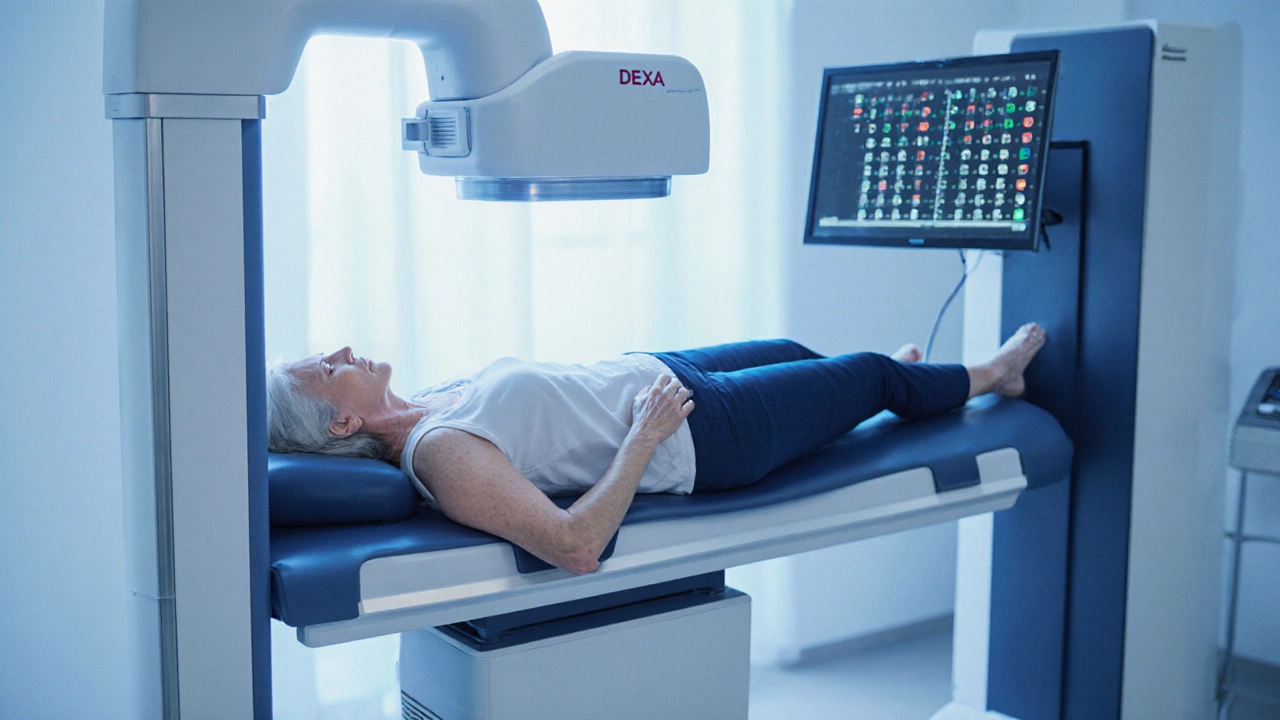
Best Tests for Bones and Joints: What Doctors Actually Use
Discover the most effective tests for bone and joint pain - from X-rays and MRIs to DEXA scans and blood tests. Learn what doctors in India actually use to diagnose the real cause of your discomfort.