IVF Child Health Risks: What Parents Need to Know
When you choose IVF, a medical procedure where eggs are fertilized outside the body and implanted into the uterus. Also known as in vitro fertilization, it’s helped millions of families in India build the children they longed for. But with every medical step, questions arise—especially about the long-term health of the child. Are IVF children, babies conceived through assisted reproductive technology more likely to face health problems? The answer isn’t simple, but it’s not as scary as some stories make it sound.
Research shows that IVF babies have a slightly higher chance of being born prematurely or with low birth weight—especially in multiple pregnancies like twins or triplets. That’s why many clinics now recommend transferring just one embryo, especially for younger patients. It’s not about risk—it’s about control. Preimplantation genetic testing, a procedure used to screen embryos for chromosomal abnormalities before implantation helps reduce those risks by picking the healthiest embryos. This isn’t just for couples with a history of genetic disorders; it’s becoming a standard part of care for many in India, where clinics are now equipped with advanced labs. What’s more, studies tracking IVF children into childhood and adolescence show no major differences in cognitive development, behavior, or chronic disease rates compared to naturally conceived kids. The biggest factor? The age and health of the parents, not how the baby was conceived.
Some parents worry about autism, heart defects, or metabolic issues. Yes, a few studies show small statistical increases in certain conditions—but these are rare, and often linked to underlying fertility issues in the parents, not the IVF process itself. For example, if a mother has polycystic ovary syndrome or the father has low sperm quality, those factors might contribute more to a child’s health than the lab procedure. What matters most is quality care: clinics that follow strict protocols, avoid overstimulation, and prioritize single embryo transfers dramatically reduce complications. And don’t forget: most IVF babies grow up perfectly healthy, active, and thriving.
You’ll find real stories and data below—from parents who’ve walked this path, to doctors explaining what tests are done, to what you can do before and after to give your child the best start. No hype. No fear. Just what you need to know.
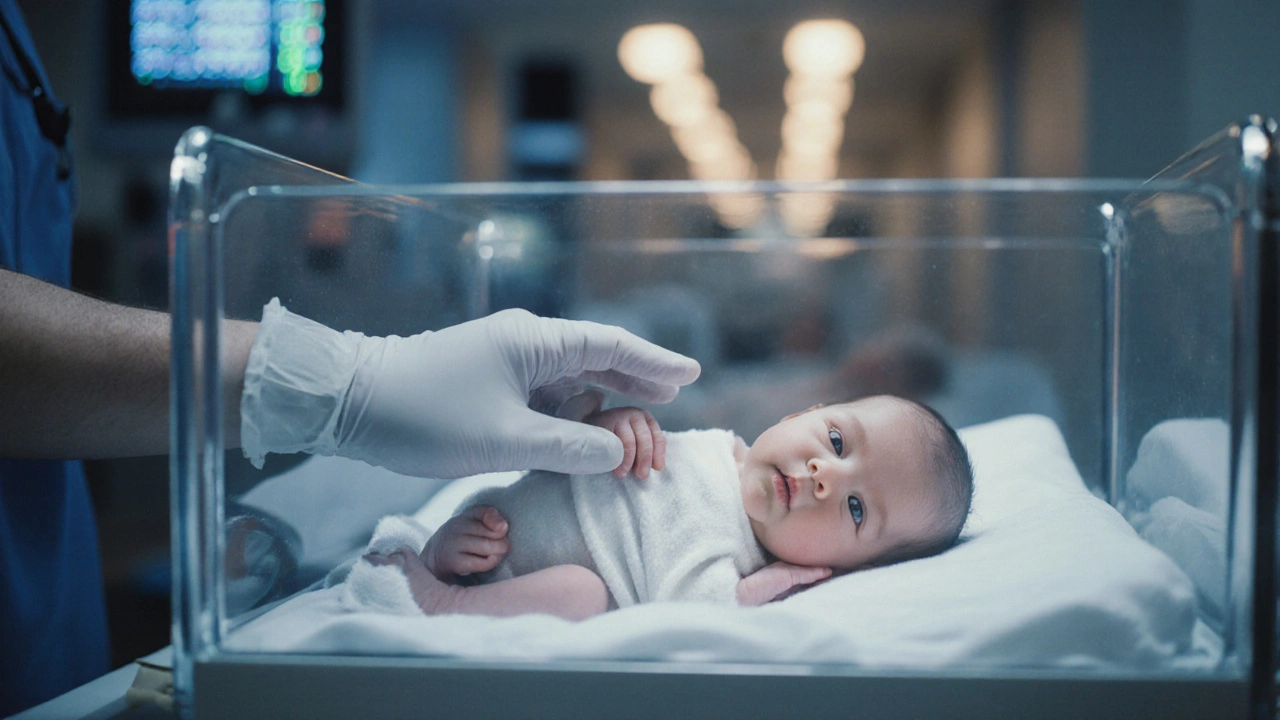
What Are the Real Negative Consequences of IVF Children?
IVF children face slightly higher risks of preterm birth, low birth weight, and minor developmental delays, but most grow up healthy. Long-term health risks are small and often tied to underlying infertility, not the procedure itself.