Herbs That Increase Blood Pressure: What Actually Works and What to Avoid
When you think of herbs, you might picture calming teas or anti-inflammatory roots—but not all herbs help your heart. Some herbs that increase blood pressure, natural plant-based substances that can raise systolic or diastolic readings are sold as "healthy" supplements, even though they can be risky for people with hypertension or heart disease. These aren’t just random plants—they’re ingredients in popular Ayurvedic blends, energy tonics, and weight-loss formulas you might be taking without knowing the danger.
Take licorice root, a common herb in traditional Indian medicine used for digestion and stress. It’s in many throat lozenges and detox teas. But it contains glycyrrhizin, a compound that tricks your body into holding onto sodium and water, which directly pushes blood pressure up. Studies show even small daily doses over weeks can cause measurable spikes. Then there’s ephedra, a stimulant herb once used in weight-loss products and now banned in many countries, but still found in unregulated online supplements. It acts like adrenaline, speeding up your heart and tightening arteries. And don’t overlook ginseng, a popular adaptogen often taken for energy and focus. While it helps some people, clinical trials show it can raise blood pressure in those already on meds or with existing hypertension.
These aren’t just isolated cases. In India, where Ayurveda and herbal remedies are deeply trusted, people often mix them with prescription drugs—thinking natural means safe. But herbs that increase blood pressure don’t care if you’re taking a beta-blocker or a diuretic. They interfere. One 2021 study in a Delhi hospital found nearly 1 in 5 hypertensive patients using herbal supplements had uncontrolled blood pressure, and nearly half of those were using licorice or ginseng. The worst part? Many don’t tell their doctors. They assume herbs don’t count as "medicine." But your body doesn’t distinguish between pills and powders—it reacts to the chemistry.
If you’re managing blood pressure, you need to know what’s in your tea, capsule, or powder. Not all herbs are bad—turmeric, garlic, and hibiscus are often helpful. But the ones that raise pressure? They’re sneaky. They hide in branded "immune boosters," "stress relievers," and "Ayurvedic tonics" with no warning labels. And because they’re sold as supplements, they don’t need FDA-style approval in India. That means you’re on your own to spot the risks.
Below, you’ll find real posts from people who’ve dealt with this—whether it’s a senior citizen whose blood pressure spiked after a herbal detox, a young professional using ginseng for energy and ending up in the ER, or someone who learned the hard way that "natural" doesn’t mean "safe." These aren’t theoretical warnings. These are lived experiences. And they’ll help you avoid the same mistakes.
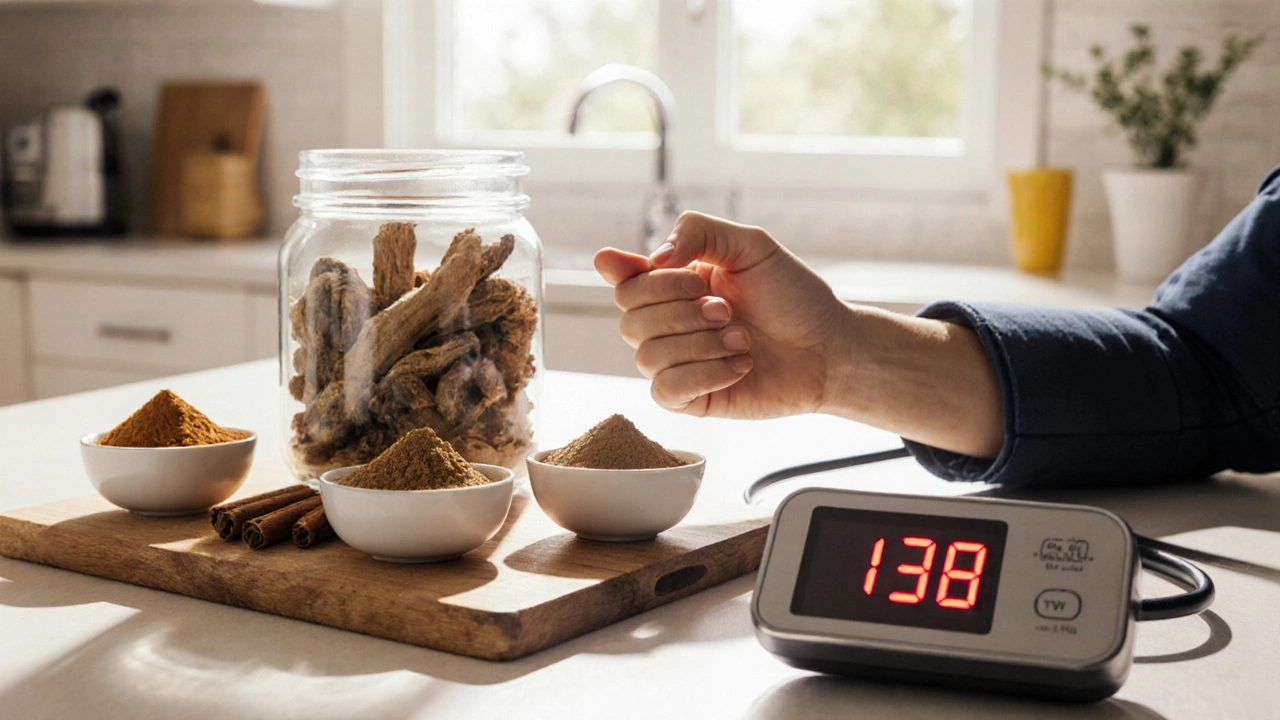
Herbs That Increase Blood Pressure - Risks, Effects, and Safe Use
Learn which herbs can raise blood pressure, how they work, safe dosage tips, and what to watch out for to protect your heart.