Herbs for Inflammation: Natural Relief and What Actually Works
When it comes to herbs for inflammation, natural plant-based remedies used for centuries to calm swelling, pain, and redness in the body. Also known as anti-inflammatory herbs, these are not just folklore—they’re used daily in homes across India, from rural kitchens to urban Ayurvedic clinics. Unlike synthetic drugs that mask pain, these herbs work on the root cause: inflammation itself. And in a country where over 70% of adults deal with chronic joint or muscle discomfort, finding safe, accessible relief matters.
Not all herbs are created equal. turmeric, a golden spice central to Indian cooking and Ayurvedic medicine. Also known as haldi, it contains curcumin, a compound proven in multiple studies to block inflammatory pathways in the body. Then there’s ginger, a root long used in India to ease arthritis pain and digestive inflammation. Also known as adrak, its active ingredient, gingerol, works similarly to ibuprofen but without the stomach irritation. Other key players include boswellia, a resin from the Indian frankincense tree, often used in Ayurveda for stiff joints and back pain. Also known as salai guggal, it’s been shown in clinical trials to reduce knee pain as effectively as some prescription drugs. These aren’t random suggestions—they’re the same herbs referenced in the posts you’ll find below, where real people share how they used them for joint pain, muscle soreness, or post-surgery recovery.
But here’s the catch: herbs aren’t magic pills. Their power depends on dosage, quality, and how they’re used. A pinch of turmeric in your curry won’t do much. You need consistent, concentrated use—whether as tea, paste, capsule, or oil. And while they’re generally safe, they can interact with blood thinners, diabetes meds, or even surgery. That’s why the posts here don’t just list herbs—they show you exactly how people in India use them, what worked, what didn’t, and how to avoid common mistakes.
What you’ll find below isn’t a generic list of "top 10 herbs." It’s real stories from people who’ve tried them, doctors who’ve recommended them, and insights tied to Indian lifestyles and access to traditional remedies. You’ll learn why some swear by ashwagandha for stress-related inflammation, why others avoid licorice because it raises blood pressure, and how combining herbs with walking or diet changes makes all the difference. No fluff. No hype. Just what works—right here, right now, in India.
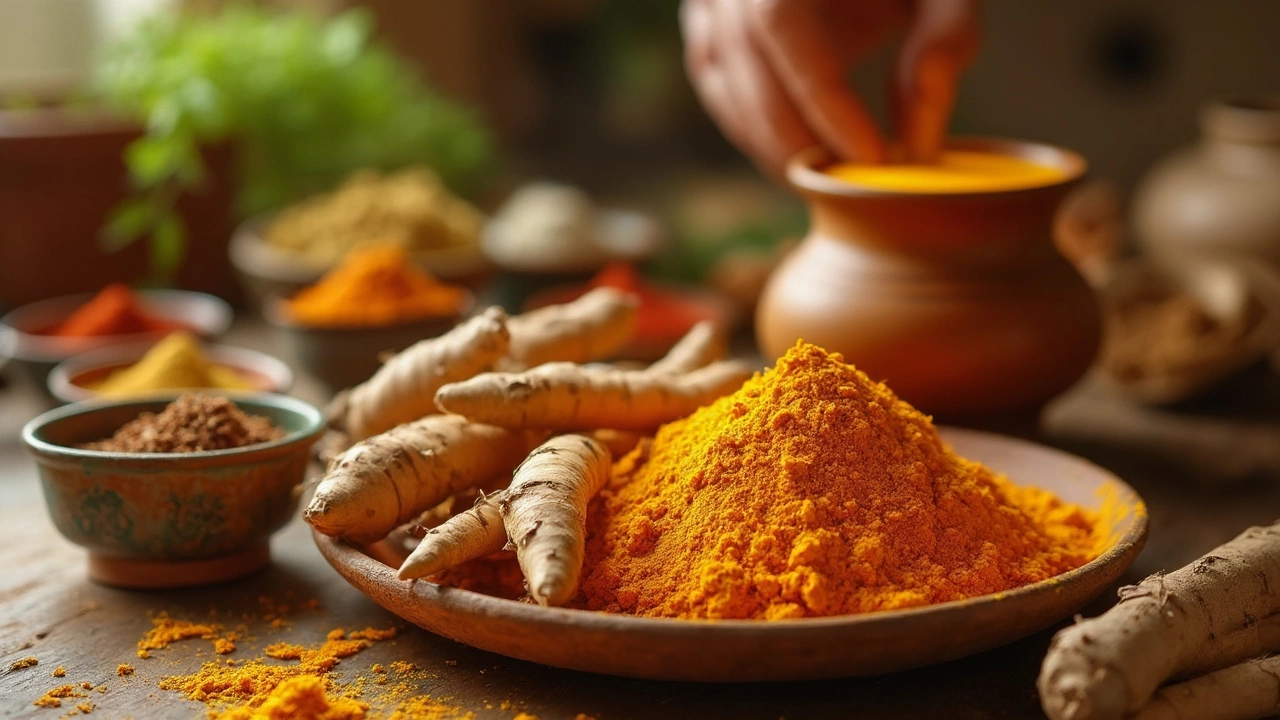
Turmeric: The #1 Herb for Inflammation Relief
Turmeric is widely recognized as the top herb for fighting inflammation. This article breaks down why turmeric stands out, how it works in your body, and ways you can add it to your daily routine. Find out what makes curcumin, a compound in turmeric, so powerful and what science says about its effectiveness. Plus, get tips for choosing the right turmeric supplement and making the most of its benefits. Practical advice and backed-up facts make inflammation management simple and clear.