Evening Meal Recommendations for Better Health and Sleep
When it comes to evening meal recommendations, the food you eat after sunset directly affects how well you sleep, how your body repairs itself, and whether you wake up feeling refreshed. Also known as nighttime eating guidelines, these aren’t just about cutting calories—they’re about choosing the right balance of nutrients that support your body’s natural rhythm. Eating too late or picking the wrong foods can spike blood sugar, slow digestion, and disrupt melatonin, making it harder to fall asleep or stay asleep. On the flip side, a well-timed, thoughtful dinner can help stabilize your blood sugar, calm your nervous system, and even improve your morning energy.
Digestion-friendly meals, like light proteins, fiber-rich veggies, and healthy fats, are key for evening eating. Think grilled chicken with steamed broccoli, baked salmon with quinoa, or lentil soup with a side of spinach. These foods don’t sit heavily in your stomach, and they provide steady energy without triggering insulin spikes. Meanwhile, sleep-enhancing foods, such as tart cherries, walnuts, turkey, and chamomile tea, contain natural compounds like melatonin and tryptophan that help your brain wind down. Avoid heavy fried foods, sugary desserts, and large portions of carbs—these are the top reasons people feel sluggish or wake up at 3 a.m. with a racing mind.
What you eat in the evening also ties into broader habits. If you’re trying to manage weight, control blood pressure, or ease joint pain, your dinner choices matter just as much as your morning routine. People with arthritis, diabetes, or acid reflux often see big improvements just by shifting their evening plate. You don’t need to count calories or follow a strict diet—just make smarter swaps. Swap white rice for cauliflower rice. Swap chips for roasted chickpeas. Swap soda for herbal tea. These small changes add up, especially when done consistently.
The collection below pulls from real advice used by doctors, nutritionists, and patients across India. You’ll find practical tips on what to cook, what to avoid, and how to time your meals so they work with your body—not against it. Whether you’re managing a health condition, trying to lose weight, or just want to sleep better, these posts give you clear, no-fluff guidance based on what actually works.
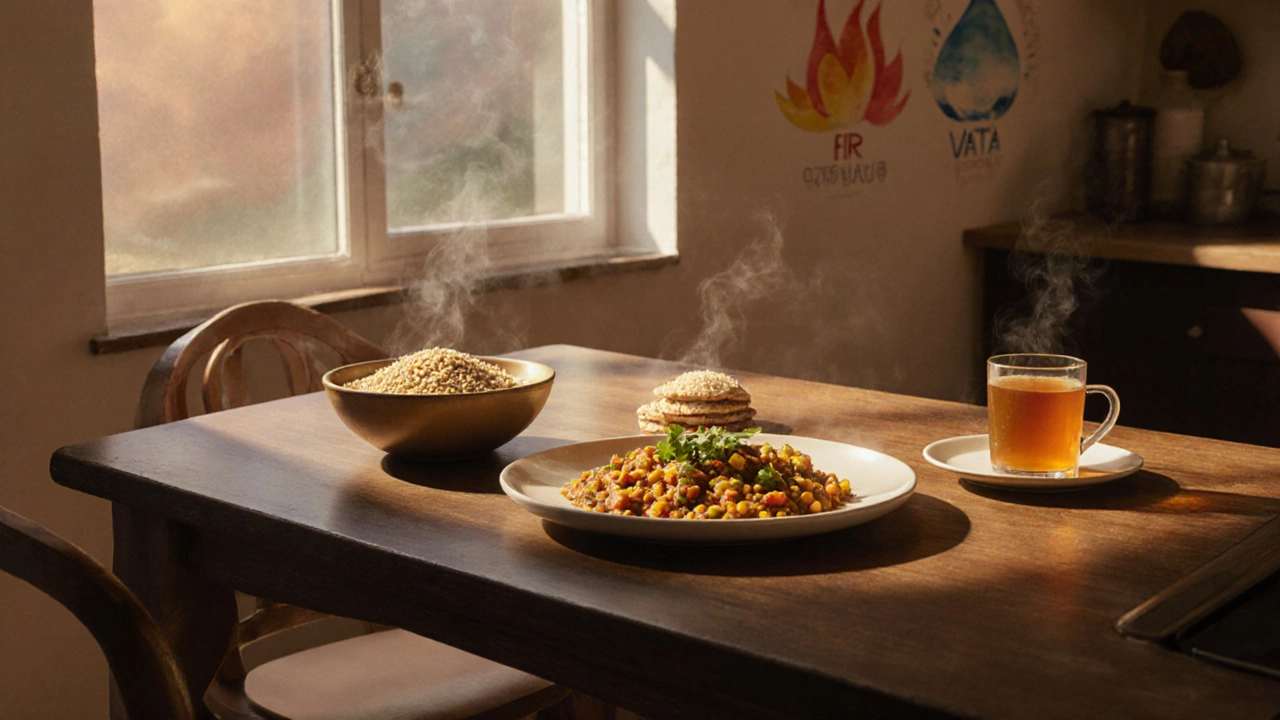
Best Time to Eat Dinner According to Ayurveda
Discover the optimal dinner window based on Ayurvedic dosha theory, practical steps, common pitfalls, and seasonal tweaks for better digestion and sleep.