Diagnosis in India: How Doctors Find the Real Cause of Your Health Problems
When you walk into a clinic with joint pain, fatigue, or unexplained symptoms, what happens next isn’t magic—it’s diagnosis, the process of identifying a disease or condition based on symptoms, tests, and medical history. This is the foundation of every treatment plan, whether you’re seeing a doctor in Mumbai or a village health worker in Odisha. Without accurate diagnosis, even the best medicine won’t help. And in India, where access to care varies widely, getting the right diagnosis can mean the difference between relief and long-term suffering.
Diagnosis isn’t just one test. It’s a chain of steps. First, your doctor listens—really listens—to what you say about your pain, sleep, energy, or mood. Then comes the physical exam. After that? Tests. Some are simple, like a blood sugar check. Others, like an MRI for joints, a detailed imaging scan used to see soft tissue damage in knees, spine, or shoulders, cost more and take longer. In cities, you might get an DEXA scan, a quick X-ray that measures bone density to check for osteoporosis in under 15 minutes. In rural areas, diagnosis often relies on experience, local knowledge, and basic tools. Even then, the goal is the same: find the root cause, not just the symptom.
What makes diagnosis tricky in India? Many conditions look alike. Stiff knees could be arthritis, nerve pressure, or even vitamin D deficiency. Chronic fatigue might be thyroid trouble, depression, or something more serious. That’s why doctors don’t jump to conclusions. They look at patterns—how long symptoms last, what makes them better or worse, and what else is going on in your life. That’s also why some of the most helpful posts here cover what doctors actually use: bone and joint tests, the real imaging and blood tests used to confirm conditions like osteoarthritis or rheumatoid arthritis, or how mental illness, a group of conditions affecting mood, thinking, and behavior, including depression, schizophrenia, and PTSD is diagnosed through interviews and behavior tracking, not just lab results.
And it’s not all high-tech. In Ayurveda, diagnosis starts with understanding your doshas, the three biological energies—Vata, Pitta, Kapha—that govern physical and mental functions in traditional Indian medicine. A practitioner might check your pulse, tongue, and even your sleep habits to see if your body is out of balance. It’s different from Western medicine, but it’s still diagnosis—just using a different map of the body.
What you’ll find in these posts isn’t theory. It’s real. How long you wait for teeth after an implant. Whether walking helps stiff knees. What tests actually reveal bone-on-bone arthritis. Who shouldn’t have heart surgery. What untreated ADHD really does over time. These aren’t random topics—they’re all about one thing: cutting through confusion to find what’s truly wrong. Because in healthcare, getting the diagnosis right is the first step to getting better. And here, you’ll see exactly how that happens—in clinics, hospitals, and homes across India.

Is ADHD a Mental Illness? Breaking Down the Facts
Wondering if ADHD counts as a mental illness? This article cuts through the confusion and explains what ADHD really is, how it's diagnosed, and what it means for daily life. You’ll find helpful facts, tips for managing symptoms, and insights into what living with ADHD looks like. Whether you’re dealing with ADHD yourself or are trying to support someone else, this guide gives practical info that’s easy to understand. Discover what labels like 'mental illness' mean in the real world—and what actually matters.
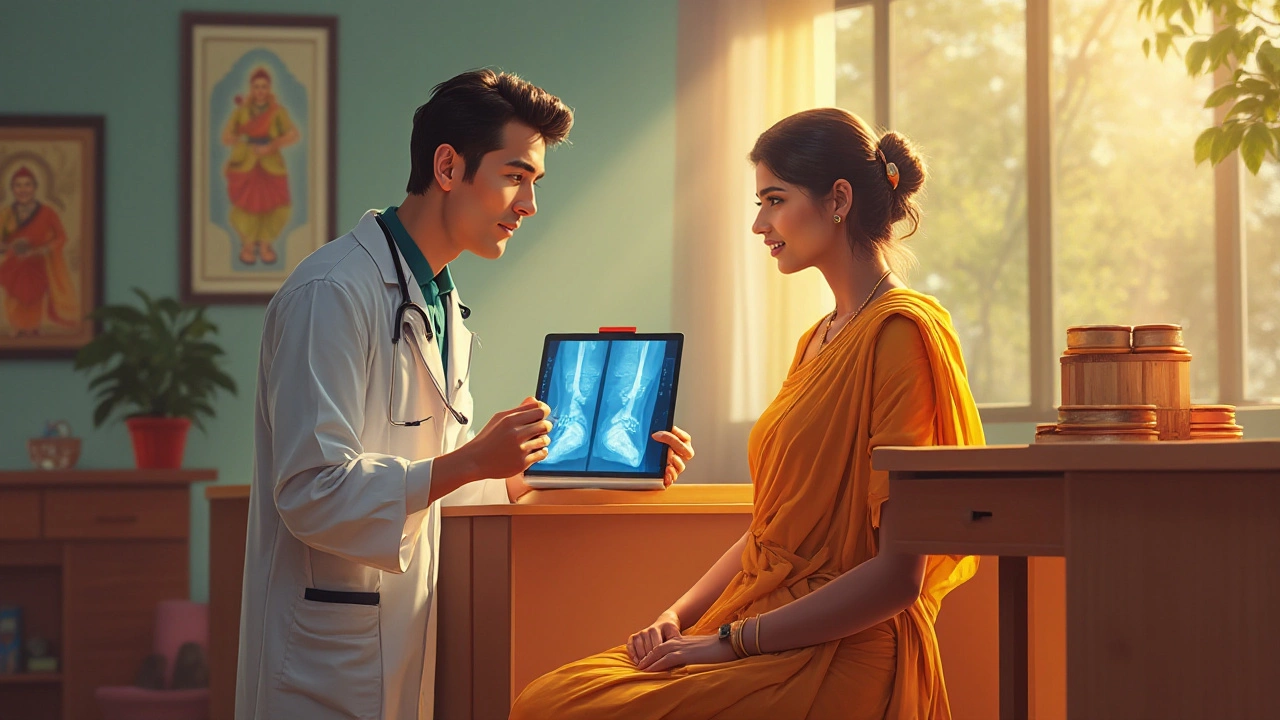
Can an Orthopedic Doctor Diagnose Arthritis? Exploring Your Options
An orthopedic doctor can play a crucial role in diagnosing arthritis, owing to their expertise in the musculoskeletal system. This article delves into the process of arthritis diagnosis, the role of an orthopedic specialist, and what patients can expect during their visit. Readers will also find tips on how to prepare for an appointment and questions to ask the doctor. Discover how timely diagnosis and treatment can significantly improve quality of life for those suffering from arthritis.