Chemotherapy Side Effects: What to Expect and How to Manage Them
When you or someone you love starts chemotherapy, a type of cancer treatment that uses drugs to kill fast-growing cells. Also known as chemo, it’s one of the most powerful tools against cancer—but it doesn’t just target cancer cells. It hits healthy ones too, which is why side effects happen. Not everyone gets the same side effects, and not everyone gets them badly. But knowing what’s common helps you prepare, speak up when something’s wrong, and not panic when your body changes.
One of the most talked-about side effects is nausea, the feeling of sickness that often comes with chemo. It doesn’t always mean vomiting—sometimes it’s just a constant queasiness that makes eating hard. New anti-nausea meds work better than ever, and many doctors in India now start them before chemo even begins. Then there’s fatigue, a deep, bone-tired exhaustion that sleep doesn’t fix. It’s not laziness. It’s your body using energy to heal and fight. Many patients say they need to nap three times a day, and that’s okay. Hair loss is another big one—chemo hair loss, the sudden thinning or falling out of hair, eyebrows, or eyelashes. It’s scary, but it’s almost always temporary. Scalp cooling caps can help some people keep their hair, and wigs or scarves are common choices in India, where community support is strong.
Less visible but just as real are changes in blood counts. Chemo can lower your red blood cells (causing anemia and dizziness), white blood cells (making you more prone to infections), and platelets (leading to easy bruising). That’s why blood tests are so common during treatment. If your count drops too low, your doctor might delay chemo or give you a growth shot to boost it. Mouth sores, dry skin, and even changes in taste—like food tasting metallic—are also common. Some people can’t eat meat anymore. Others crave sour or spicy things. Your body is adjusting, and that’s normal.
What you don’t hear as often is how emotional side effects hit. Anxiety, sadness, brain fog—sometimes called "chemo brain"—can feel worse than physical symptoms. Memory slips, trouble focusing, forgetting names: these aren’t just stress. They’re chemical changes in your brain from the drugs. Talking to a counselor, joining a support group, or even just writing down thoughts helps. In India, many hospitals now offer free counseling for cancer patients, and family support is often the strongest medicine of all.
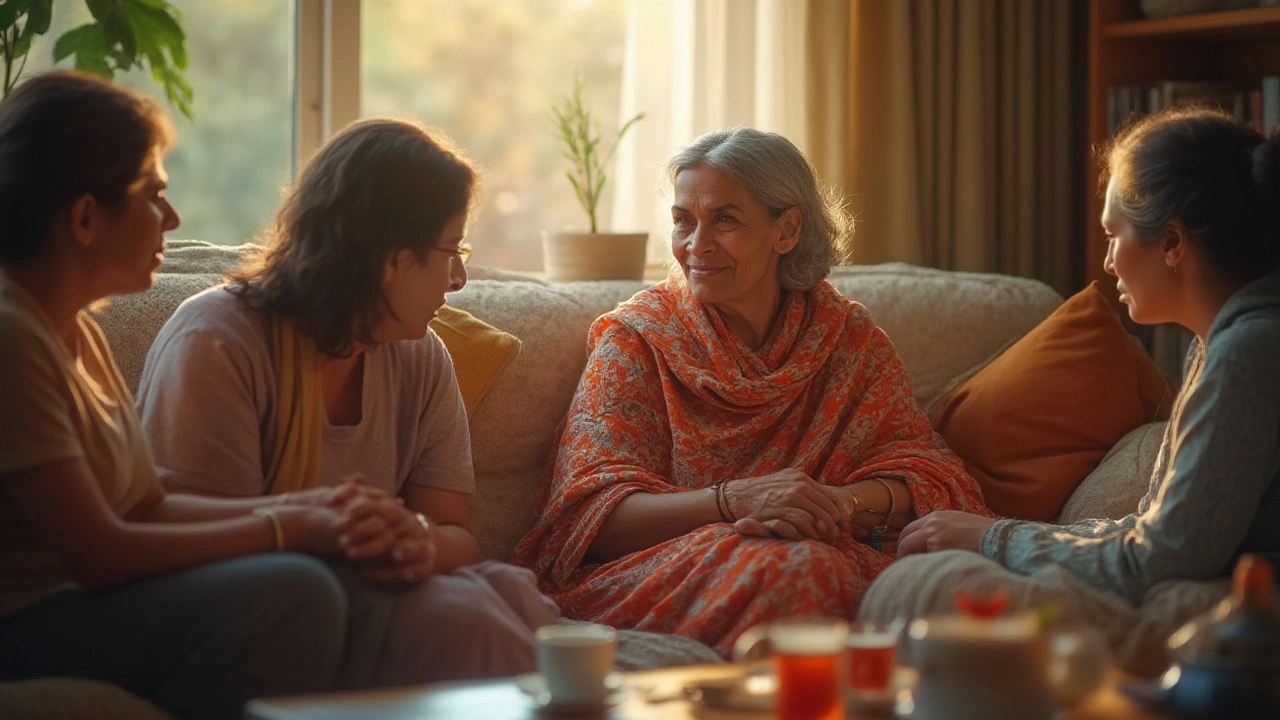
You’ll find real stories below—from people who’ve lived through chemo in Mumbai, Delhi, Bangalore, and beyond. Some share how they managed nausea with ginger tea and acupressure bands. Others talk about walking every morning to fight fatigue. One woman kept her hair with a cooling cap and still felt beautiful. These aren’t perfect solutions. But they’re real, practical, and tested by people who’ve been there. What you learn here won’t stop chemo side effects—but it will help you face them with less fear and more control.
Hardest Days After Chemo: What to Expect and How to Cope
Curious about the most difficult days after chemo? Learn about the toughest symptoms, timing, real-life tips, and what actually helps on the hardest days after chemotherapy.