Ayurveda Dinner Timing: When to Eat for Better Digestion and Sleep
When it comes to Ayurveda dinner timing, a traditional Indian system of health based on balancing body energies called doshas. Also known as Ayurvedic eating, it’s not just about what you eat—but when you eat it. Unlike modern diets that focus on calories or macros, Ayurveda says your body’s ability to digest food changes with the time of day. Eating late, even healthy food, can disrupt your sleep, slow your metabolism, and leave you feeling sluggish the next morning.
The core idea is simple: your digestive fire, called agni, the metabolic force that breaks down food and transforms it into energy, is strongest between noon and 2 p.m. That’s why lunch is the biggest meal in Ayurveda. By evening, agni naturally slows down. If you eat a heavy dinner after 7 p.m., your body doesn’t have enough energy to process it properly. Instead of turning food into fuel, it stores it as fat—or worse, lets it ferment in your gut, causing bloating, acid reflux, and poor sleep. This is why many people who follow Ayurveda stop eating by 7 p.m., or even earlier if they’re sensitive to digestion issues. The goal isn’t to starve yourself—it’s to work with your body’s rhythm, not against it.
It’s not just about the clock, though. Your dosha type matters too. If you’re a Vata, one of the three Ayurvedic body types, characterized by air and space elements and often prone to anxiety and irregular digestion, you may need a light, warm meal by 6:30 p.m. to feel calm before bed. Pitta, the fiery dosha linked to metabolism and intensity, often feels hungry late but benefits from stopping food intake by 7 p.m. to avoid overheating. And if you’re Kapha, the earth-and-water type prone to sluggishness and weight gain, eating before 6 p.m. is essential to keep energy flowing. The right timing helps all three types sleep deeper, wake up lighter, and avoid midnight cravings.
What you eat at night matters less than when you eat it—but it still counts. Ayurveda recommends warm, cooked, easy-to-digest foods like soups, stews, or khichdi. Avoid raw salads, cold drinks, dairy-heavy meals, or spicy snacks after sunset. Even if you’re tired and want pizza or ice cream, your body will thank you tomorrow if you choose something gentle. Many people who switch to this schedule notice they stop snacking at night, wake up without bloating, and feel more alert in the morning—even without changing their overall diet.
There’s no magic number—7 p.m. is the general rule, but if you work late, aim for at least three hours before bed. That gives your body time to digest before sleep kicks in. Sleep and digestion are deeply linked in Ayurveda. When you eat too late, your body stays in ‘digest mode’ instead of shifting into ‘repair mode.’ That’s why people who eat dinner at 9 p.m. often toss and turn, even if they’re exhausted.
The posts below pull from real experiences and traditional wisdom to show you exactly how to apply Ayurveda dinner timing in daily life—whether you’re new to Ayurveda or just trying to fix your sleep and digestion. You’ll find practical tips, meal ideas, and what to avoid based on your body type. No guesswork. Just clear, doable advice that fits into modern routines without forcing you to become a monk.
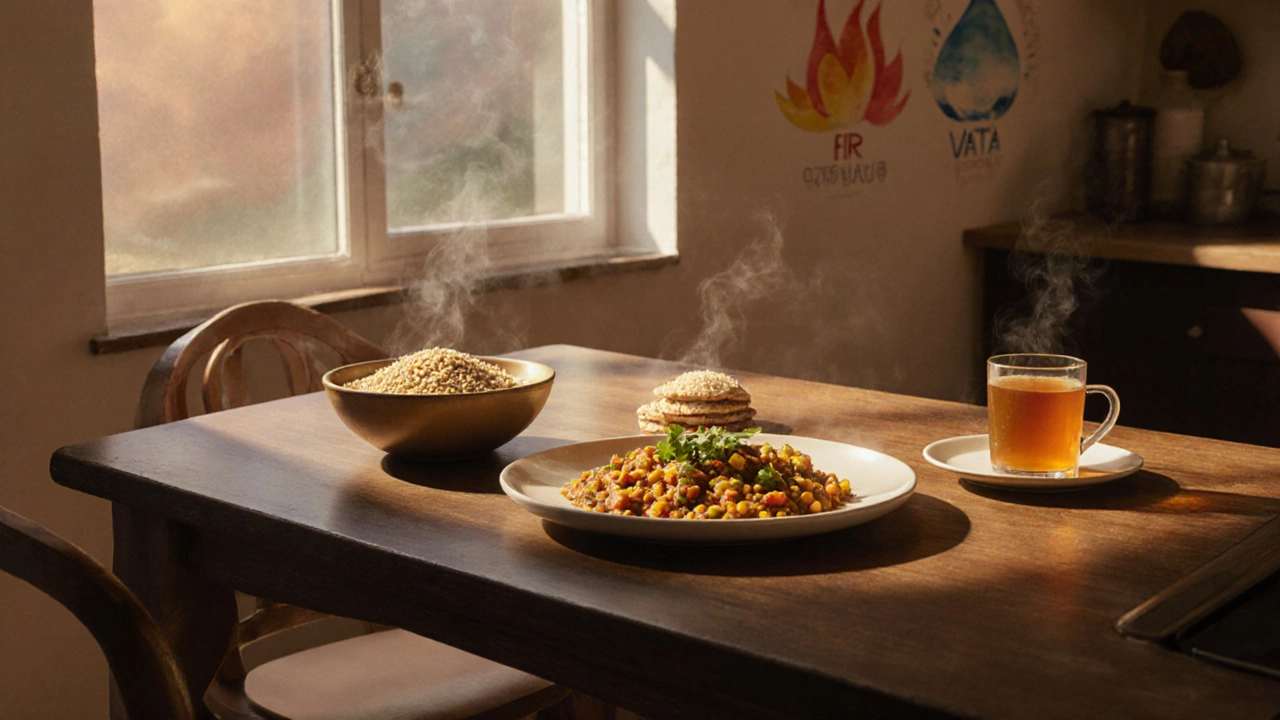
Best Time to Eat Dinner According to Ayurveda
Discover the optimal dinner window based on Ayurvedic dosha theory, practical steps, common pitfalls, and seasonal tweaks for better digestion and sleep.