Diabetes Medication Priority Checker
Answer these three questions based on your current health profile to see which medication class aligns with the 2026 clinical guidelines.
Recommended Approach
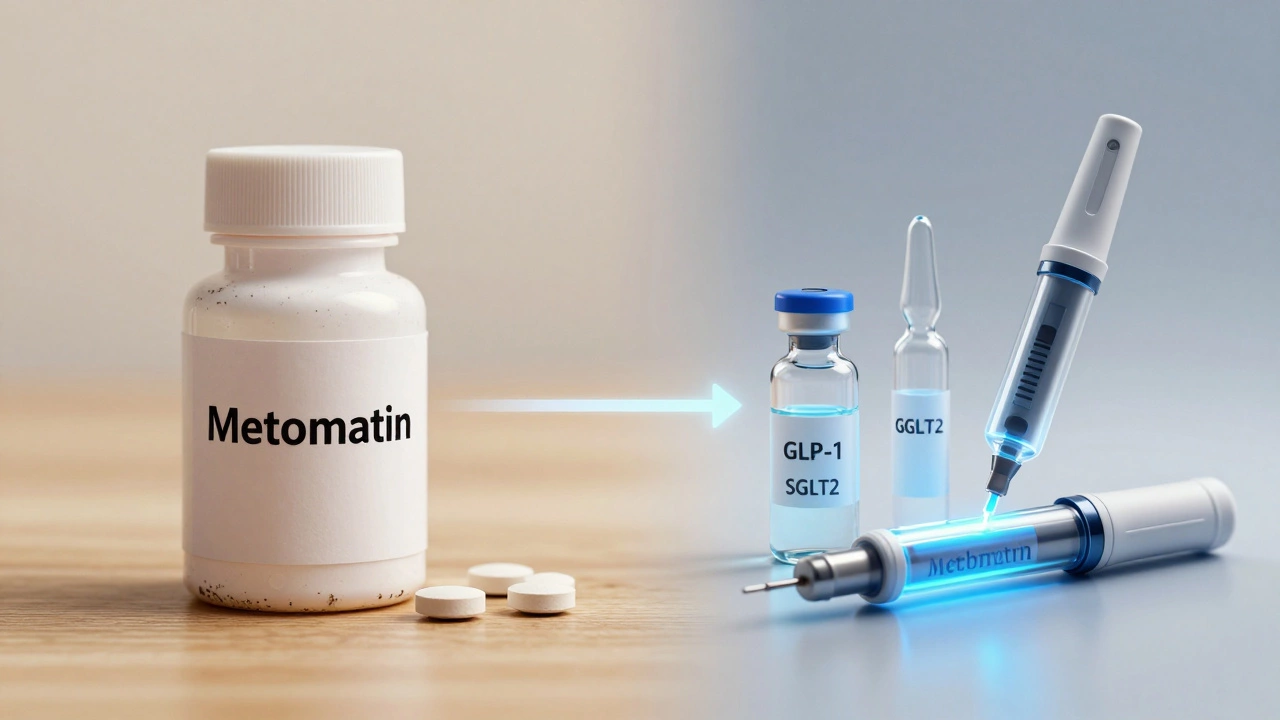
You have been taking Metformin is the standard first-line medication for type 2 diabetes that lowers blood sugar by reducing glucose production in the liver and improving insulin sensitivity. for years. It works. It’s cheap. Your doctor prescribed it because guidelines have recommended it since the early 2000s. But lately, you might be wondering: is there something better? Maybe your HbA1c isn’t dropping as much as you’d like. Maybe you’re tired of the stomach upset. Or maybe you’ve heard whispers about new drugs that help you lose weight while controlling blood sugar.
The short answer is yes. The landscape of Type 2 Diabetes treatment has evolved significantly from simple glucose-lowering to comprehensive cardiovascular and metabolic protection. has changed dramatically in the last five years. While metformin remains a cornerstone, newer classes of medications offer benefits that metformin simply cannot provide-specifically regarding heart health, kidney protection, and weight loss.
Why Metformin Is Still the Baseline
Before we look at what’s “better,” we need to understand why metformin hasn’t been replaced entirely. It is not just an old drug; it is a proven one. The UK Prospective Diabetes Study (UKPDS), published decades ago but still relevant, showed that intensive glucose control with metformin reduced long-term complications. It doesn’t cause hypoglycemia (low blood sugar) on its own, which makes it safe for many people. Plus, in India and globally, it is affordable. For someone newly diagnosed with mild elevation in blood sugar, metformin is often enough.
However, “enough” doesn’t mean “best.” If your goal is only to lower numbers on a lab report, metformin does the job. But if your goal is to protect your heart, save your kidneys, and shed those extra kilograms that make diabetes harder to manage, metformin falls short. This is where the new generation of drugs steps in.
The Game Changers: GLP-1 Receptor Agonists
If you ask any endocrinologist in 2026 what the most exciting advancement in diabetes care is, they will likely mention GLP-1 Receptor Agonists are injectable medications that mimic the gut hormone glucagon-like peptide-1 to stimulate insulin release, slow digestion, and reduce appetite.. These drugs include semaglutide (Ozempic, Wegovy), tirzepatide (Mounjaro, Zepbound), and dulaglutide (Trulicity).
Here is why they are considered “better” than metformin for many patients:
- Weight Loss: Metformin causes neutral or slight weight loss. GLP-1s can lead to significant weight reduction. Semaglutide, for example, has been shown to reduce body weight by 15% or more in clinical trials. For obese patients with type 2 diabetes, this is transformative.
- Cardiovascular Protection: Studies like the SELECT trial proved that semaglutide reduces the risk of heart attack and stroke in people with existing heart disease, even if their blood sugar was already controlled.
- Potency: They lower HbA1c more effectively than metformin. Many patients achieve target levels without needing multiple other drugs.
The downside? They are injectable (though oral versions exist now), expensive, and come with side effects like nausea and vomiting when starting. But for the right patient, the benefit outweighs the cost.
Kidney Heroes: SGLT2 Inhibitors
Another class that surpasses metformin in specific areas is SGLT2 Inhibitors are oral medications that block sodium-glucose cotransporter 2 in the kidneys, causing excess glucose to be excreted in urine.. Drugs like empagliflozin (Jardiance), dapagliflozin (Forxiga), and canagliflozin (Invokana) work differently. Instead of forcing your pancreas to work harder or your liver to produce less sugar, they tell your kidneys to dump sugar out through your urine.
This mechanism sounds simple, but it has profound effects. SGLT2 inhibitors are now the gold standard for protecting the kidneys and heart.
| Feature | Metformin | GLP-1 Agonists | SGLT2 Inhibitors |
|---|---|---|---|
| Primary Mechanism | Reduces liver glucose output | Mimics incretin hormones | Excretes glucose via urine |
| HbA1c Reduction | Moderate (1-1.5%) | High (1.5-2.5%) | Moderate (0.5-1.0%) |
| Weight Effect | Neutral/Slight Loss | Significant Loss | Moderate Loss |
| Heart Benefits | None Proven | Strong Protection | Strong Protection |
| Kidney Benefits | None Proven | Limited Data | Strong Protection |
| Cost (India Context) | Very Low | Very High | Moderate to High |
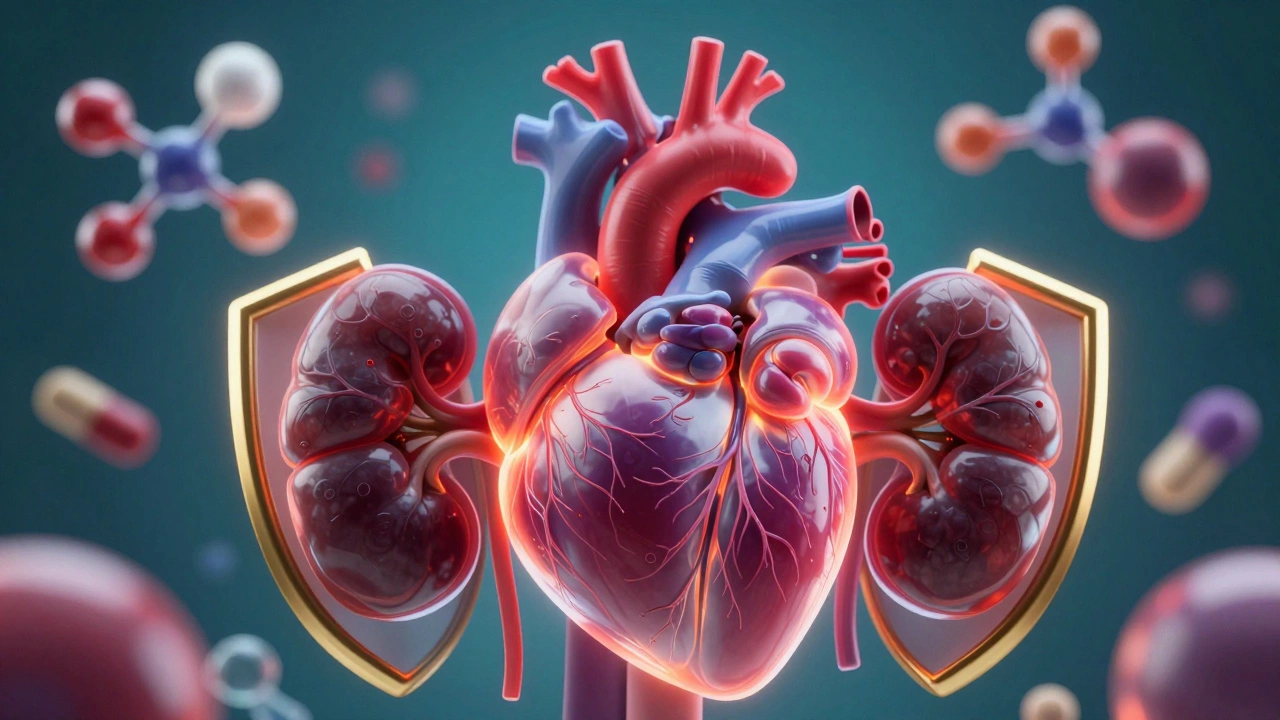
If you have chronic kidney disease (CKD) or heart failure, an SGLT2 inhibitor is arguably “better” than metformin because it slows the progression of kidney damage and reduces hospitalizations for heart issues. Metformin actually needs to be stopped if kidney function drops too low, whereas SGLT2 inhibitors are prescribed specifically to protect failing kidneys.
The New Standard of Care in 2026
Gone are the days when doctors waited until your HbA1c hit 9% before adding a second drug. Current guidelines from the American Diabetes Association (ADA) and European Association for the Study of Diabetes (EASD) recommend a patient-centered approach. This means looking at your whole picture, not just your blood sugar.
If you have established cardiovascular disease, you should start a GLP-1 or SGLT2 inhibitor regardless of your current HbA1c. If you have heart failure or kidney disease, an SGLT2 inhibitor is the priority. Metformin is no longer the automatic “first and only” choice for everyone. It is often used *alongside* these newer drugs, or sometimes skipped entirely if the patient has high cardiovascular risk and can afford the newer options.
What About Cost and Access?
Let’s be real. Living in Bangalore or anywhere else in India, the price tag matters. Metformin costs a few rupees per pill. A month’s supply of semaglutide can cost thousands. This creates a difficult dilemma. Is a drug that costs 50 times more “better” if you can’t afford it?
Medically, yes. Financially, no. For many patients, the best strategy is a combination. Start with metformin to keep costs down. Add an SGLT2 inhibitor if generic versions are available and affordable, as they offer good value for heart and kidney protection. Reserve GLP-1 agonists for cases where weight loss is critical or cardiovascular risk is extremely high, and insurance or financial resources allow.
Also, check for local generics. India has a robust pharmaceutical industry. Brands like Novartis and Sanofi have launched local formulations of SGLT2 inhibitors that are cheaper than imported brands. Always ask your doctor about generic alternatives.

Side Effects: The Hidden Trade-Off
“Better” also depends on how well you tolerate the drug. Metformin is famous for gastrointestinal distress-diarrhea, bloating, nausea. Many people quit because of this. However, extended-release formulations have improved this significantly.
GLP-1s also cause nausea, especially when you increase the dose. Some people experience severe vomiting. SGLT2 inhibitors can increase the risk of genital yeast infections and urinary tract infections because you are literally peeing out sugar. You need to stay hydrated and maintain good hygiene.
If you hate needles, GLP-1s might feel worse than metformin, even if they work better. If you are prone to UTIs, SGLT2s might be a hassle. The “best” drug is the one you will actually take consistently.
When Metformin Is Still the Best Choice
Don’t throw away your metformin yet. It remains the best choice for:
- Newly Diagnosed Patients: Those with mild hyperglycemia and no heart/kidney issues.
- Budget-Conscious Care: When access to newer drugs is limited.
- Polypharmacy: As a background drug combined with others. It works synergistically with almost all other diabetes medications.
- Pregnancy Planning: While insulin is preferred during pregnancy, metformin is often used in PCOS-related insulin resistance before conception.
It is safe, effective, and has a track record spanning decades. No other drug has that kind of safety data.
How to Decide What’s Right for You
Talk to your doctor about these three questions:
- Do I have heart or kidney disease? If yes, prioritize GLP-1s or SGLT2s.
- Is weight loss a major goal? If yes, GLP-1s are superior.
- What is my budget? Be honest. A perfect drug you can’t afford is useless.
In 2026, the definition of “better” has shifted from “lowers blood sugar” to “protects organs and improves quality of life.” Metformin is a great tool, but it is no longer the only tool in the box. By combining lifestyle changes with the right medication for your specific health profile, you can do more than just manage diabetes-you can thrive despite it.
Can I stop taking metformin if I start a GLP-1 agonist?
Only your doctor can decide this. Often, doctors keep metformin alongside GLP-1s because they work through different mechanisms and together they provide stronger blood sugar control. However, if your HbA1c drops significantly with the GLP-1 alone, your doctor may taper off metformin to reduce pill burden and potential side effects.
Are GLP-1 injections painful?
Most patients report minimal discomfort. The pens use very fine needles, similar to those used for insulin. Many people say they barely feel it. The psychological barrier of self-injection is often higher than the physical sensation.
Which is better for weight loss: Metformin or Ozempic?
Ozempic (semaglutide) is far superior for weight loss. Metformin may help you lose 2-3 kg over time due to mild appetite suppression. Semaglutide can lead to 10-15% total body weight loss in clinical trials by significantly reducing hunger and slowing gastric emptying.
Do SGLT2 inhibitors cause frequent urination?
Yes, they can. Because they force your kidneys to excrete glucose, water follows the sugar, leading to increased urine volume. This is usually manageable by staying hydrated. However, excessive thirst or urination could also signal uncontrolled blood sugar, so monitor your symptoms.
Is there a natural alternative to metformin?
While supplements like berberine show some promise in lowering blood sugar, they are not regulated as strictly as pharmaceuticals and lack the extensive long-term safety data of metformin. Lifestyle changes-diet, exercise, and sleep-are the most effective natural interventions, but they rarely replace medication in moderate to severe type 2 diabetes.