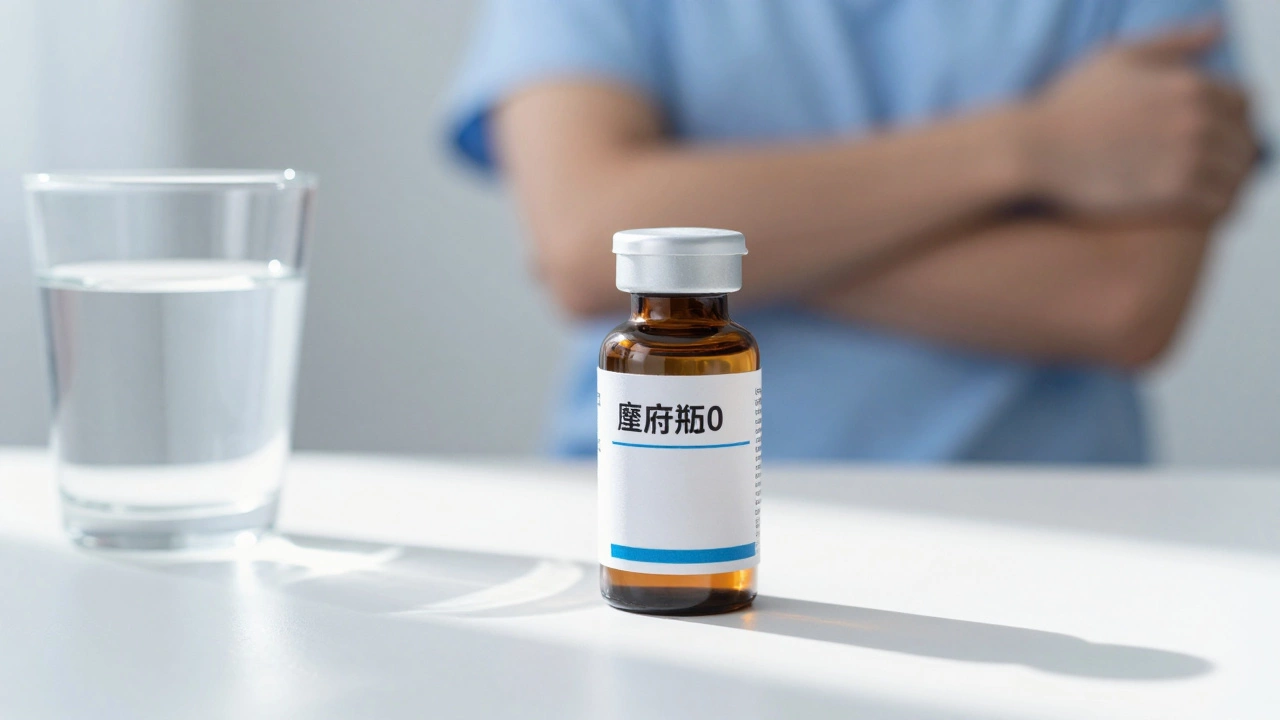
Meloxicam vs. Narcotics Comparison Tool
Understanding the difference between meloxicam and opioid narcotics is crucial for your safety. Use this tool to compare features based on medical guidelines.
Comparison Result:
| Feature | Meloxicam (NSAID) | Opioids (Narcotics) |
|---|---|---|
Note: Meloxicam is not a narcotic. It does not cause euphoria or addiction but carries risks of stomach bleeding and kidney damage.
You have a prescription for meloxicam, and you are wondering if it is a narcotic. Maybe you heard the term used loosely by friends or saw it in a movie where characters chase that "high." Or perhaps you are worried about addiction risks before ordering your medication from an online pharmacya licensed retailer that dispenses prescription medications via the internet. The short answer is no. Meloxicam is not a narcotic. It does not get you high, and it is not controlled under federal laws that regulate opioids like oxycodone or hydrocodone.
This confusion happens all the time. People lump all strong painkillers into one bucket. But understanding the difference between meloxicam and narcotics is crucial for your safety, especially when navigating the world of digital healthcare. Let’s break down what meloxicam actually is, how it works, and why knowing this distinction matters for your treatment plan.
What Is Meloxicam?
Meloxicam belongs to a class of drugs called nonsteroidal anti-inflammatory drugs, commonly known as NSAIDsmedications that reduce inflammation, pain, and fever without being steroids. You might know other names in this family: ibuprofen (Advil), naproxen (Aleve), and aspirin. Meloxicam is just a more potent, longer-lasting version designed for chronic conditions.
Doctors typically prescribe meloxicam for osteoarthritis, rheumatoid arthritis, and juvenile rheumatoid arthritis. Unlike over-the-counter NSAIDs that you take every few hours, meloxicam is usually taken once a day. Its chemical structure allows it to stay in your system longer, providing steady relief from joint pain and swelling throughout the 24-hour cycle.
The key thing to remember is its mechanism. Meloxicam works by blocking enzymes called COX-1 and COX-2. These enzymes produce prostaglandins, chemicals that signal pain and cause inflammation in your body. By stopping these signals at the source, meloxicam reduces the physical sensation of pain and calms down inflamed tissues. It does not touch your brain's reward centers. It does not alter your mood. It simply tells your joints to stop screaming.
Defining "Narcotic" vs. Non-Narcotic
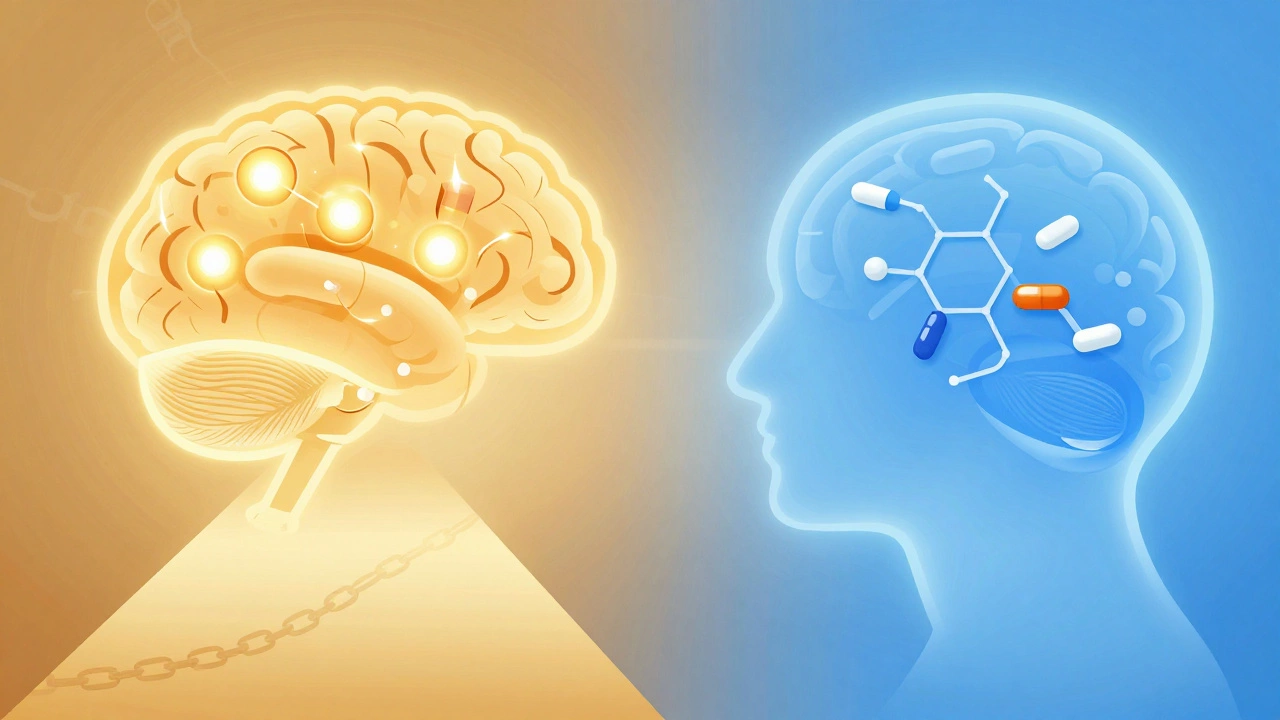
To understand why meloxicam isn't a narcotic, we first need to define what a narcotic actually is. In medical terms, a narcotic refers to opioidspowerful pain-relieving drugs derived from opium poppies or synthesized to mimic their effects. Think morphine, codeine, fentanyl, and oxycodone. These drugs bind to specific receptors in your brain and spinal cord. They block pain signals, yes, but they also trigger the release of dopamine, creating feelings of euphoria and relaxation.
This dopamine hit is what makes opioids addictive. It is also why they are strictly regulated by the Drug Enforcement Administration (DEA) in the United States and similar agencies worldwide. You cannot walk into a store and buy them. You need a special prescription form in many cases, and pharmacies must track every single pill dispensed.
Meloxicam, on the other hand, has zero effect on dopamine levels. It has no potential for abuse because there is nothing to abuse. You will not feel happy, dizzy, or detached from reality if you take meloxicam. If you take too much, you won't get a high; you will likely get stomach bleeding or kidney damage. That is the harsh reality of NSAIDs versus opioids. One carries addiction risk; the other carries organ stress risk.
| Feature | Meloxicam (NSAID) | Opioids (Narcotics) |
|---|---|---|
| Drug Class | Nonsteroidal Anti-Inflammatory Drug | Opioid Analgesic |
| Addiction Potential | None | High |
| Euphoria Effect | No | Yes |
| Primary Use | Inflammation & Chronic Joint Pain | Severe Acute Pain & Cancer Pain |
| Regulation Status | Standard Prescription | Controlled Substance (Schedule II-V) |
| Main Side Effects | Stomach Ulcers, Kidney Strain | Constipation, Respiratory Depression |
Why Does This Distinction Matter?
You might think, "So what? It’s just a label." But the label dictates how you treat the drug, how doctors monitor you, and how safely you can access it. Because meloxicam is not a narcotic, it is easier to obtain. You do not need to jump through hoops for a controlled substance prescription. However, ease of access does not mean lack of risk.
Many patients assume that because meloxicam isn’t addictive, it is harmless. This is a dangerous misconception. While you won’t develop a dependency, long-term use of meloxicam can lead to serious health issues. The most common risks involve the gastrointestinal tract. NSAIDs strip away the protective lining of your stomach, which can lead to ulcers and bleeding. Elderly patients are particularly vulnerable to this.
Additionally, meloxicam affects blood flow to the kidneys. If you dehydrate yourself while taking this medication, you could cause acute kidney injury. There is also a well-documented link between long-term NSAID use and increased risk of heart attack and stroke. Doctors weigh these cardiovascular risks against the benefit of pain relief before prescribing meloxicam. Understanding that it is not a narcotic helps you focus on the real risks: your stomach, kidneys, and heart-not your mind.
Buying Meloxicam Safely Online
With the rise of telemedicine and digital health platformsonline services that connect patients with healthcare providers remotely, many people now order their prescriptions online. Since meloxicam is not a controlled substance, it is widely available through legitimate online pharmacies. However, the internet is also rife with scams and counterfeit drugs.
When you order meloxicam online, you must ensure the pharmacy is verified. Look for seals of approval from organizations like the National Association of Boards of Pharmacy (NABP) in the US, or equivalent regulatory bodies in your country. A legitimate online pharmacy will always require a valid prescription from a licensed doctor. If a site offers to sell you meloxicam without asking for a prescription, run away. They are likely selling fake pills that could contain anything from chalk dust to actual opioids, which defeats the purpose of avoiding narcotics.
Also, check the price. If meloxicam costs $500 at your local pharmacy but $10 online, something is wrong. Generic meloxicam is inexpensive to produce. Extremely low prices often indicate counterfeit products. Counterfeit NSAIDs may have incorrect dosages, leading to either ineffective pain relief or toxic overdoses.
Meloxicam vs. Other Pain Management Options
If meloxicam isn't a narcotic, why do some doctors still hesitate to prescribe it for severe pain? It comes down to efficacy. For mild to moderate inflammatory pain, meloxicam is excellent. For severe, acute trauma-like a broken bone or post-surgical pain-it often isn't enough on its own. In those cases, doctors might combine a low dose of an opioid with an NSAID. This combination approach uses less opioid (reducing addiction risk) while leveraging the anti-inflammatory power of the NSAID.
However, for chronic conditions like arthritis, guidelines increasingly favor non-narcotic options first. This is part of the broader effort to combat the opioid crisis. By using meloxicam, acetaminophen, physical therapy, and nerve blocks, many patients can manage pain without ever touching a narcotic. This strategy preserves your quality of life without introducing the complex risks of opioid dependence.
It is also worth noting that meloxicam is selective. It targets COX-2 enzymes more than COX-1 enzymes. COX-1 protects your stomach lining. COX-2 drives inflammation. By being more selective, meloxicam was designed to be gentler on the stomach than older NSAIDs like ibuprofen. While it still carries GI risks, it is generally better tolerated in the short term. This selectivity is a key attribute that distinguishes it within the NSAID family.

Common Misconceptions About Meloxicam
Let’s clear up a few more myths. Some people believe that because meloxicam is a "strong" prescription painkiller, it must be a narcotic. Strength in medicine doesn't equal addiction potential. Antibiotics are strong; chemotherapy is strong. Neither gets you high. Meloxicam is strong because it effectively shuts down inflammation pathways, not because it alters consciousness.
Another myth is that you can build up a tolerance to meloxicam like you would with opioids. Tolerance means you need more of the drug to get the same effect. With NSAIDs, you don't really build tolerance in the same way. If meloxicam stops working, it is usually because your underlying condition has worsened, not because your body has adapted to the drug. Increasing the dose beyond recommended limits won't help; it will only increase your risk of side effects.
Finally, some worry about withdrawal symptoms. When you stop taking meloxicam, you won't experience shakes, sweating, or cravings. You might, however, experience a rebound in pain. Your joints will start hurting again because the inflammation is returning. This is not withdrawal; it is the natural progression of your disease. Managing expectations here is vital for sticking to a long-term treatment plan.
How to Discuss Meloxicam with Your Doctor
Open communication is your best tool. Tell your doctor about all other medications you are taking. Meloxicam interacts dangerously with blood thinners like warfarin, other NSAIDs, and certain antidepressants (SSRIs/SNRIs). Combining these can lead to severe bleeding risks.
Ask about your personal risk factors. Do you have a history of stomach ulcers? High blood pressure? Heart disease? If so, meloxicam might not be the right choice for you. Your doctor might suggest topical NSAIDs (creams) or alternative therapies instead. Remember, just because it is not a narcotic doesn't mean it is safe for everyone. Personalized medicine is the gold standard.
If you are prescribed meloxicam, take it exactly as directed. Do not crush or chew extended-release tablets unless instructed. Take it with food to minimize stomach upset. Stay hydrated to protect your kidneys. And never share your medication with others, even if they have similar pain. What works for your arthritis might harm someone else’s heart.
Can you get addicted to meloxicam?
No, you cannot get physically addicted to meloxicam. It is an NSAID, not an opioid. It does not affect the brain's reward system or cause dopamine surges. However, psychological reliance on any pain relief method is possible, but this is different from chemical addiction.
Is meloxicam stronger than ibuprofen?
Yes, generally speaking. Meloxicam is a prescription-strength NSAID that lasts 24 hours, whereas ibuprofen is an over-the-counter option that needs to be taken multiple times a day. Meloxicam is more potent per milligram and is specifically designed for chronic inflammatory conditions.
Does meloxicam show up on a drug test?
Meloxicam is not typically included in standard workplace drug screens, which look for illicit substances and opioids. However, specialized tests can detect NSAIDs. If you are undergoing specific medical monitoring, always disclose your medications to the testing facility.
Can I drink alcohol while taking meloxicam?
It is not recommended. Both alcohol and meloxicam can irritate the stomach lining and increase the risk of ulcers and bleeding. Combining them multiplies this risk significantly. If you choose to drink, do so sparingly and consult your doctor first.
Why is meloxicam a prescription-only drug?
Although it is not a narcotic, meloxicam requires a prescription because of its potential for serious side effects, including kidney damage, heart issues, and gastrointestinal bleeding. Doctors need to evaluate your health history to ensure the benefits outweigh the risks.