Health Checkup Frequency Calculator
How Often Should You Get a Health Checkup?
Based on your age, health status, and risk factors according to Indian medical guidelines
Your Recommended Schedule
Based on Indian medical guidelines for preventive care
This recommendation considers your age, health status, and family history
Most people wait until they feel sick before visiting a doctor. But by then, it’s often too late. High blood pressure, early-stage diabetes, or liver issues don’t always come with warning signs. That’s why regular health checkups aren’t just a good idea-they’re a necessity. In India, where lifestyle changes are driving a rise in chronic diseases, skipping annual screenings can cost you more than money-it can cost you years.
What a Basic Health Checkup Includes
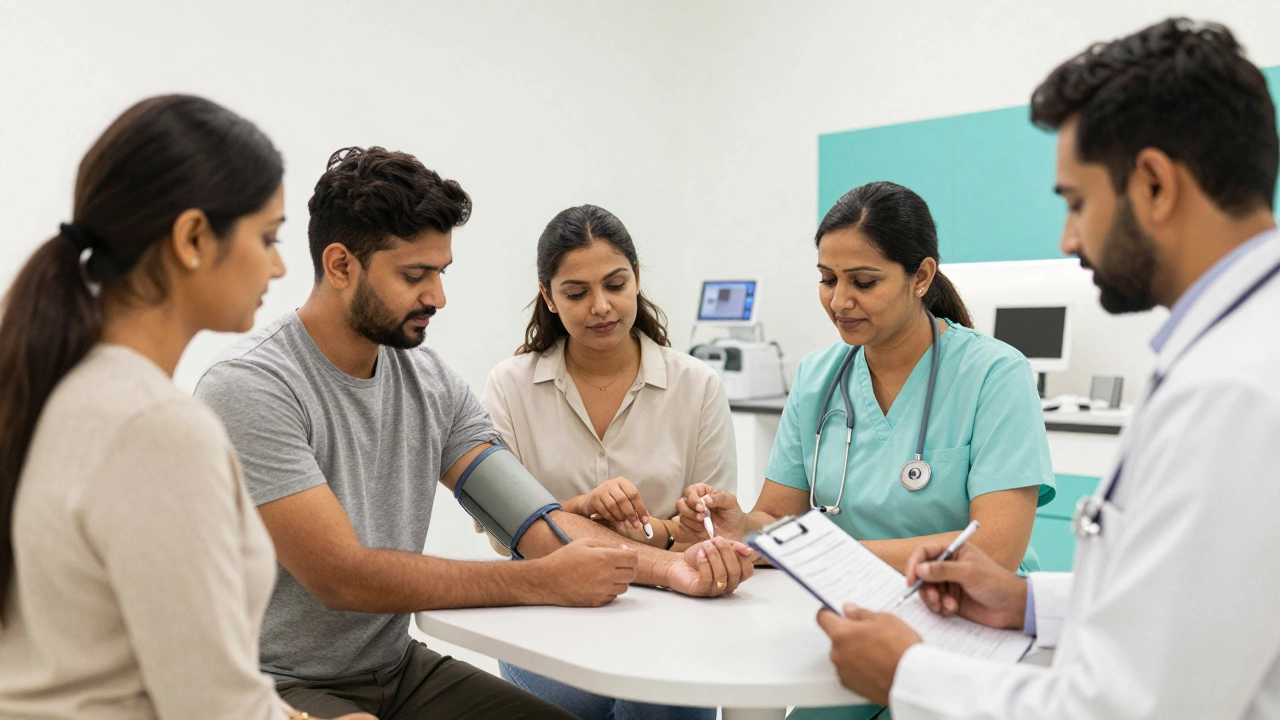
A standard health checkup package in India usually covers a few key areas: blood pressure, blood sugar, cholesterol levels, liver and kidney function, thyroid tests, complete blood count, and urine analysis. Most packages also include an ECG, chest X-ray, and a physical exam by a doctor. Some add ultrasound scans of the abdomen or cancer markers, depending on your age and risk factors.
For example, a basic package priced around ₹2,500-₹4,000 in Bangalore will include 15-20 tests. A premium one, costing ₹8,000-₹15,000, might add mammograms, colonoscopies, or cardiac stress tests. The goal isn’t to overload you with tests-it’s to catch problems early, before they become emergencies.
How Often Should You Get Checked?
There’s no one-size-fits-all answer, but here’s a simple rule based on age and health status:
- Under 30 and healthy: Every 2-3 years. Unless you have a family history of diabetes, heart disease, or high blood pressure, annual checks aren’t urgent. But get a baseline test done by age 25.
- 30 to 45: Every year. This is when lifestyle risks start showing up-weight gain, rising sugar levels, early signs of fatty liver. A yearly checkup helps you adjust diet, exercise, or sleep before things spiral.
- 45 to 60: Every year, with added tests. At this stage, add a lipid profile, PSA test (for men), and mammogram (for women). If you’re overweight, sedentary, or smoke, your doctor may suggest more frequent checks.
- Over 60: Every 6 months. Aging increases risks for heart disease, kidney decline, osteoporosis, and cognitive issues. Biannual visits help track changes and manage medications properly.
These are general guidelines. If you have high blood pressure, diabetes, or a history of cancer, your doctor will likely recommend more frequent screenings. Don’t wait for symptoms. By the time you feel unwell, damage may already be done.
Why Annual Checkups Matter More in India
India has the second-highest number of diabetes cases in the world-over 77 million adults, according to the Indian Council of Medical Research. Nearly half don’t know they have it. Similarly, 30% of urban adults have high cholesterol, and 25% have hypertension. Most don’t get tested regularly.
Why? Many think checkups are expensive or unnecessary. Others believe they’re fine because they don’t feel sick. But silent killers don’t announce themselves. A 2023 study in the Indian Journal of Public Health found that people who had annual health screenings were 40% less likely to be hospitalized for preventable conditions like heart attacks or kidney failure.
Even in small cities and towns, diagnostic centers now offer affordable packages. Many corporate health plans include free annual checkups. If your employer offers one, take it. If not, ask your local clinic-they often run monthly health camps with discounted rates.
What to Look for in a Health Checkup Package
Not all packages are created equal. Here’s what to avoid and what to demand:
- Avoid: Packages with 50+ tests you don’t need. More tests don’t mean better care. Unnecessary scans can lead to false positives, anxiety, and extra costs.
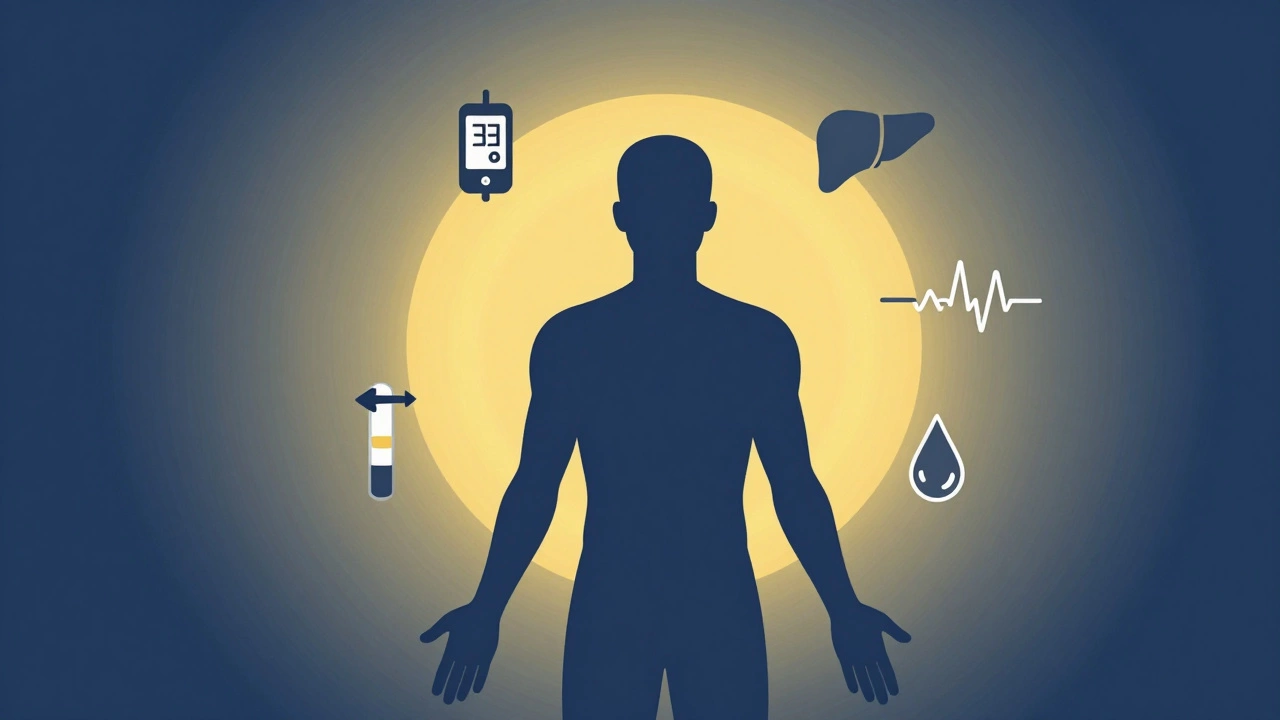
- Look for: Core tests-fasting blood sugar, HbA1c, lipid profile, liver enzymes (SGOT/SGPT), creatinine, uric acid, CBC, TSH, and urine routine. These cover the top 5 silent diseases in India: diabetes, heart disease, fatty liver, kidney trouble, and thyroid disorders.
- Ask for: A doctor’s consultation after the tests. A lab report with no explanation is useless. A good clinic will schedule a 15-20 minute review with a physician to explain results and suggest next steps.
Some centers in Bangalore, like Apollo Health, Fortis, and local diagnostic chains, offer digital reports with simple summaries. Look for those. Avoid places that just hand you a thick printout with cryptic codes.
Who Needs More Frequent Checkups?
Some people need to be more proactive:
- People with a family history of heart disease, diabetes, or cancer: Start annual checks by age 30, even if you feel fine.
- Those who are overweight or obese (BMI over 25): Get blood sugar and liver tests every 6 months. Fatty liver and prediabetes can develop fast.
- Smokers and heavy drinkers: Annual liver and lung function tests are non-negotiable.
- Women over 40: Annual mammograms and pelvic ultrasounds are recommended. HPV testing every 5 years after age 30.
- Men over 50: PSA test for prostate cancer, along with colon cancer screening (colonoscopy) every 5-10 years.
Don’t assume genetics are destiny. Regular screening gives you control. If your father had a heart attack at 52, getting your cholesterol checked now could prevent the same fate.
What to Do After Your Checkup
A checkup is only useful if you act on the results. Here’s what to do next:
- Write down your numbers: Fasting sugar, LDL cholesterol, blood pressure. Keep them in your phone or a notebook.
- Compare with last year: Are your numbers getting worse? Or improving? Trends matter more than single values.
- Follow up on flagged results: If your liver enzymes are high, don’t wait. Cut alcohol, reduce fried food, and get retested in 3 months.
- Set one health goal: Lose 5 kg? Walk 30 minutes daily? Sleep 7 hours? Pick one. Stick to it for 30 days.
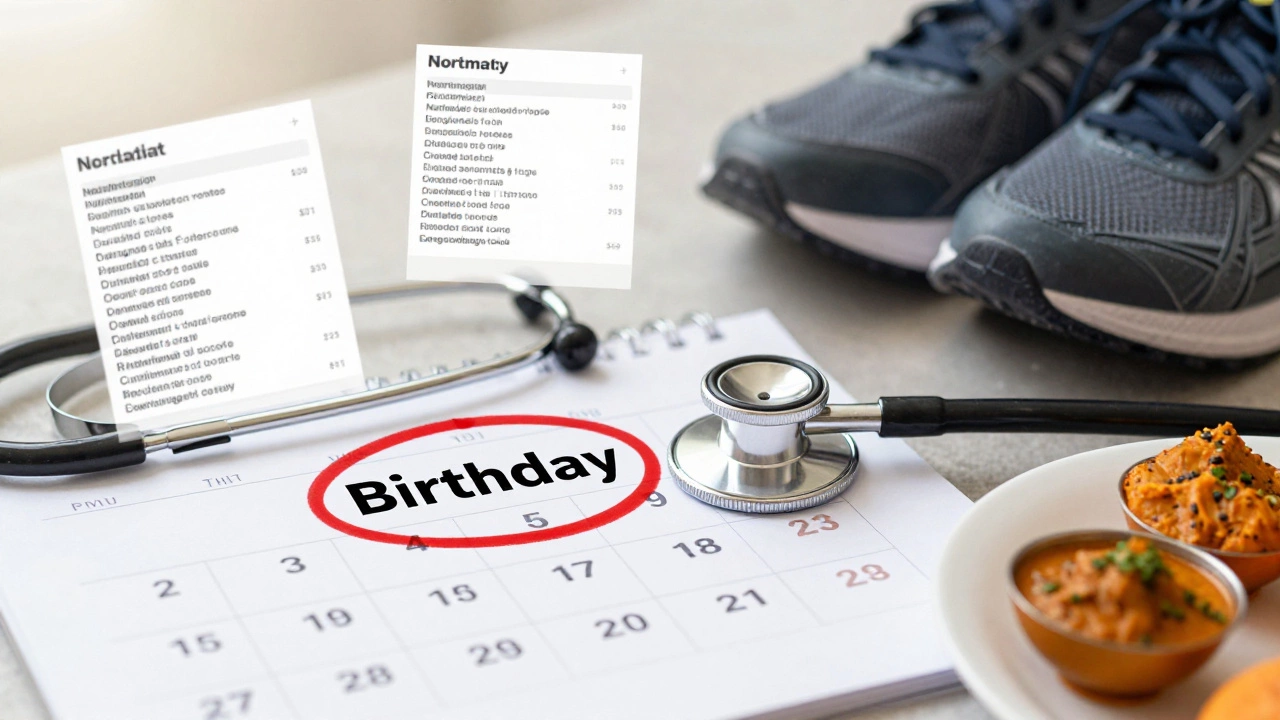
- Book your next checkup: Put it in your calendar. Don’t rely on memory.
Most people forget their results within a week. That’s why action is the real test-not the tests themselves.
Common Myths About Health Checkups
Let’s clear up some myths you’ve probably heard:
- Myth: "I feel fine, so I don’t need a checkup."
Truth: High blood pressure and prediabetes rarely cause symptoms until it’s too late. - Myth: "Health checkups are just a way for clinics to make money."
Truth: Preventive care saves money in the long run. Treating a stroke costs 10x more than preventing it. - Myth: "Only older people need them."
Truth: Fatty liver and insulin resistance are now common in teens and 20-somethings due to processed diets and inactivity. - Myth: "I’ll do it next year."
Truth: A year is a long time. A single missed checkup could mean missing early signs of cancer or heart disease.
Health isn’t about fear. It’s about awareness. And awareness comes from data-not guesswork.
Final Thought: Make It a Habit
Think of a health checkup like an oil change for your car. You don’t wait until the engine fails. You do it on schedule. Your body is the same.
Set a date-say, your birthday or the first Monday of the year-and treat it like a non-negotiable appointment. Tell your family. Put it in your phone. Make it part of your routine.
It’s not about being perfect. It’s about being consistent. One checkup a year, done right, can give you 10 more healthy years. That’s not a luxury. That’s the smartest investment you’ll ever make.
How often should a healthy adult get a health checkup?
A healthy adult under 30 should get a checkup every 2-3 years. Between 30 and 45, go yearly. After 45, yearly checks are essential, and after 60, every 6 months is recommended. Those with chronic conditions or family history should follow their doctor’s advice, which may mean more frequent visits.
What are the most important tests in a basic health checkup?
The core tests include fasting blood sugar, HbA1c, lipid profile (cholesterol), liver function tests (SGOT, SGPT), kidney function (creatinine, urea), complete blood count (CBC), thyroid (TSH), and urine routine. These cover the top silent diseases in India: diabetes, heart disease, fatty liver, kidney issues, and thyroid disorders.
Are expensive health checkup packages worth it?
Not always. A ₹15,000 package isn’t better than a ₹4,000 one if it includes unnecessary scans. Focus on the core tests listed above. What matters most is whether you get a doctor’s review afterward. A simple package with expert interpretation is far more valuable than a packed one you don’t understand.
Can I skip a health checkup if I exercise regularly?
No. Even fit people can have high cholesterol, prediabetes, or early heart disease. Exercise helps, but it doesn’t replace screening. Genetics, diet, and stress also play major roles. A 30-year-old runner with a family history of heart disease still needs yearly lipid and blood sugar tests.
Is it too late to start health checkups if I’m over 50?
It’s never too late. Many people in their 50s and 60s find treatable conditions-like high blood pressure or early-stage diabetes-only after their first checkup. Catching these early can prevent strokes, kidney failure, or amputations. Starting now can still add years to your life.