Post-Open Heart Surgery Home Recovery Checklist
Use this tool to ensure your living space is safe and ready for your return from the hospital. Check off items as you complete them.
You’ve survived the big operation. The surgeons closed your chest, you woke up in the ICU, and now you’re heading home. But here’s the thing nobody tells you clearly enough: the real work starts when you walk through your front door. You aren’t just "resting"-you’re managing a major medical event from your living room.
Whether you’re the patient or the primary caregiver, walking into that first week at home can feel overwhelming. Where do you put the pillows? How do you shower without ripping out stitches? What if you need to cough but it feels like your ribs are breaking? This guide cuts through the noise. We’ll cover exactly what physical items, environmental changes, and support systems you need to set up before discharge so your transition from hospital to home is smooth, safe, and less stressful.
The Physical Setup: Preparing Your Living Space
Your body has been through trauma. The sternum (breastbone) was likely divided during the surgery and wired back together. It takes about 6 to 8 weeks for that bone to heal fully. Until then, your environment needs to accommodate limited mobility and strict lifting restrictions.
1. The "No-Strain" Bedroom Zone
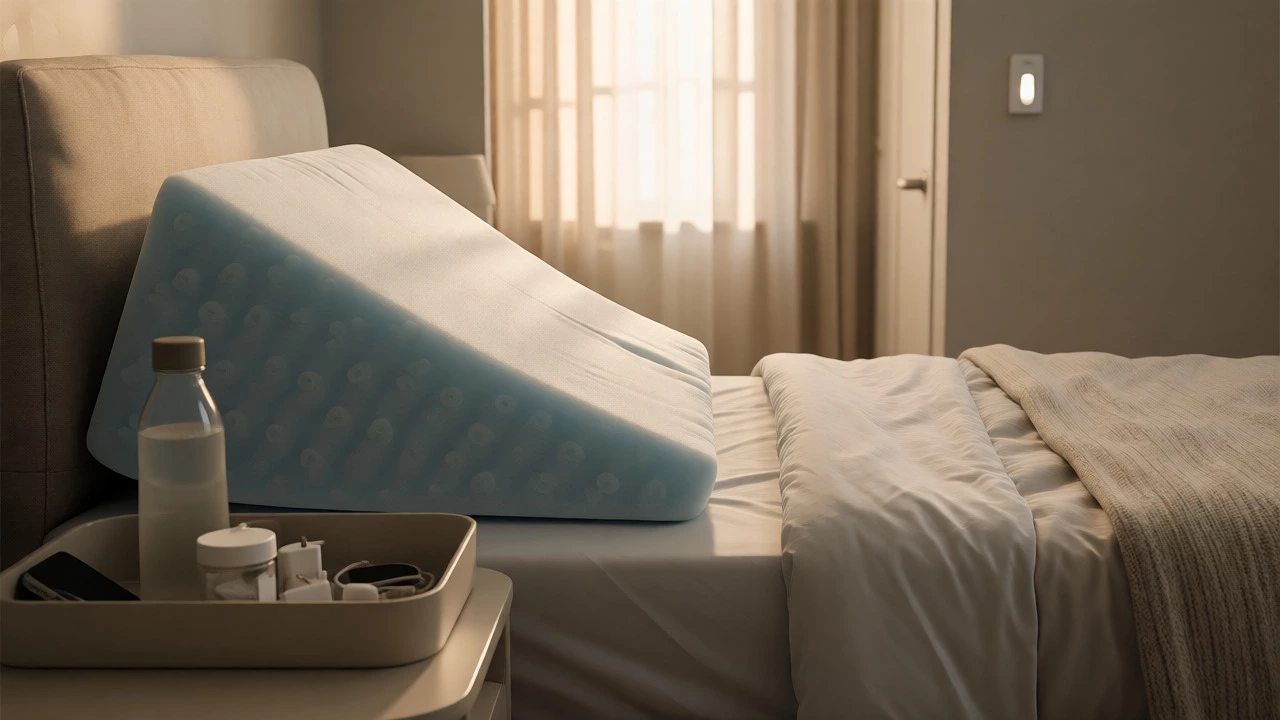
If possible, set up a temporary bedroom on the ground floor. Stairs are the enemy of early recovery. If you must sleep upstairs, ensure someone is available to assist with every trip up and down. Your bed should be firm enough to support your back but soft enough to cushion pressure points. Many patients find that sleeping propped up at a 30-45 degree angle helps with breathing and reduces swelling around the incision site.
- Wedge Pillow or Bed Wedge: Essential for maintaining an elevated sleeping position. Standard pillows often slide out of place; a foam wedge stays put.
- Bedside Organizer: Keep phone chargers, water, remote controls, and medications within arm's reach. Reaching across the bed can strain the chest muscles.
- Nightlight: Install motion-sensor lights in the hallway leading to the bathroom. Waking up at night to use the restroom shouldn't involve fumbling for switches.
2. Bathroom Safety Modifications
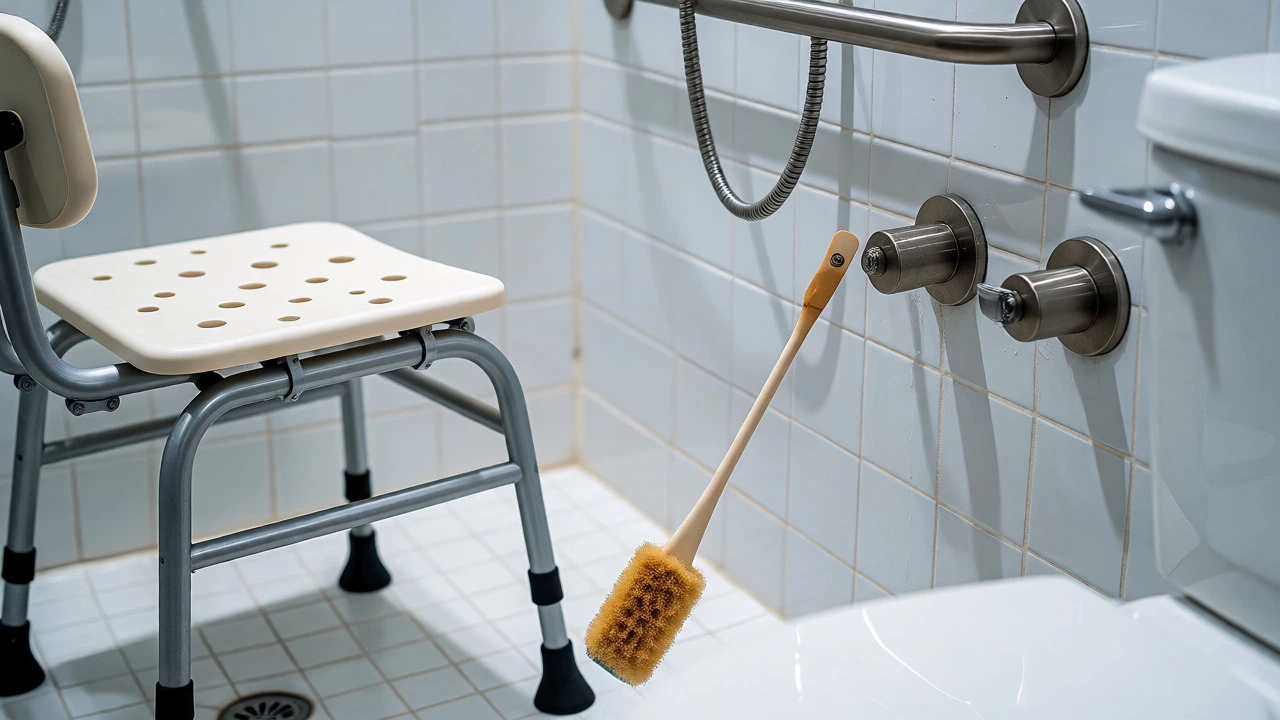
Bending over is difficult and dangerous in the first few weeks. You cannot lean forward to wash your feet or pick things up easily. Installing grab bars near the toilet and inside the shower isn't just a suggestion-it's a safety requirement to prevent falls.
| Item | Purpose | Installation Tip |
|---|---|---|
| Toilet Seat Riser | Reduces the distance you have to lower yourself, sparing chest and leg muscles. | Ensure it is securely clamped to the existing seat. |
| Shower Chair | Allows you to bathe while seated, preventing dizziness and fatigue. | Choose one with rubber feet and adjustable height. |
| Grab Bars | Provides stability when standing up or turning. | Must be anchored into wall studs, not just drywall. |
| Long-Handled Sponge | Lets you wash your body without bending or reaching awkwardly. | Look for non-slip handles. |
Medical Supplies and Hygiene Kits
Hospitals provide some basics, but they rarely give you enough for the weeks following discharge. You will need specific supplies to keep the incision sites clean and monitor your vitals.
Incision Care Kit
Most open heart surgeries involve two main incisions: the midline sternal wound on the chest and potentially a leg incision if veins were harvested for bypass grafts. Keeping these clean prevents infection, which is the biggest risk in the first month.
- Mild Soap: Use fragrance-free, antibacterial soap (like Dial Gold or Cetaphil). Avoid harsh scrubbing; let the soapy water run over the area.
- Gentle Towels: Pat dry-never rub. Bacteria hide in damp towels, so change them daily.
- Pillows for Coughing Splinting: You will need to cough to clear mucus, but coughing hurts. Hug a small, firm pillow against your chest when you cough. This "splints" the sternum and reduces pain significantly.
Vital Signs Monitoring
Your cardiologist will want data. You don't need a full hospital setup, but you do need reliable home tools.
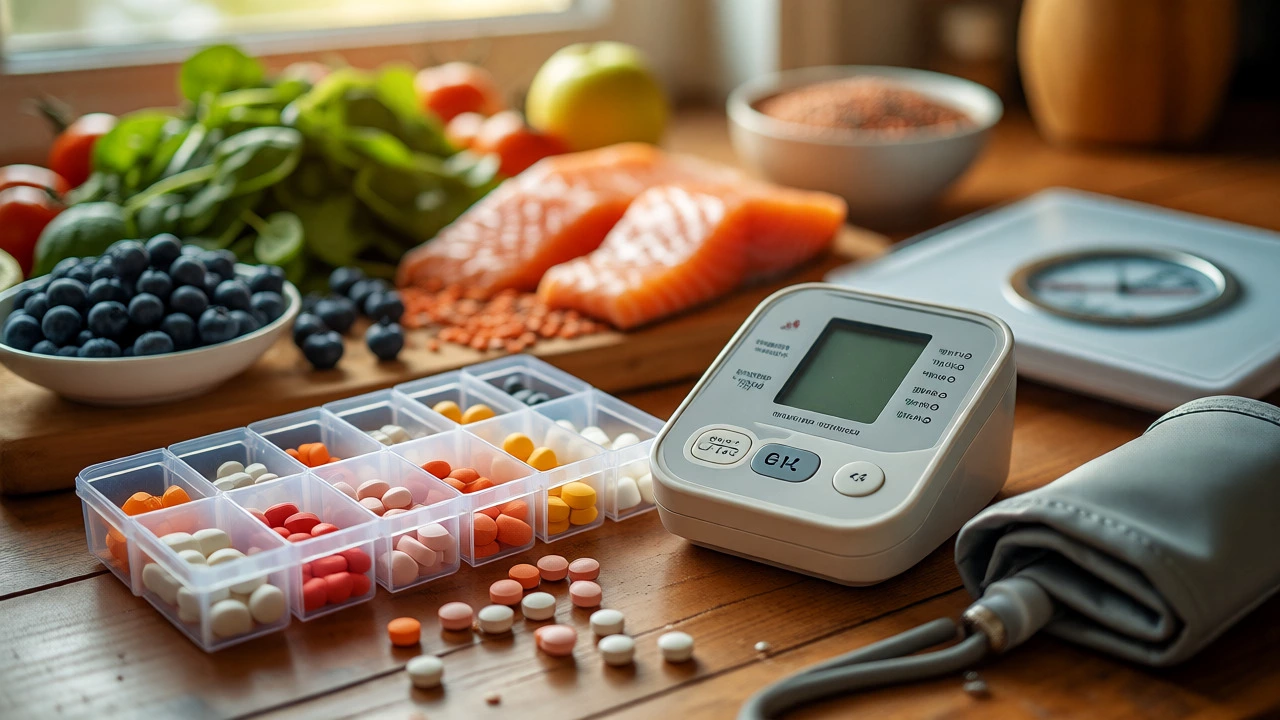
- Digital Blood Pressure Monitor: An upper-arm cuff is more accurate than wrist models. Check BP twice daily at the same times.
- Daily Scale: Sudden weight gain (e.g., 2 kg in 2 days) can signal fluid retention, a common sign of heart failure complications. Catching this early saves a hospital readmission.
- Thermometer: Fever is a red flag for infection. Digital thermometers are safer and faster than glass ones.
Medication Management System
Post-open heart surgery, you will likely be discharged with 5-10 different medications. These might include beta-blockers to control heart rate, antiplatelets (like aspirin or clopidogrel) to prevent clots, statins for cholesterol, and diuretics to remove excess fluid.
Confusion here is dangerous. Missing a dose or double-dosing can have serious consequences.
Use a Pill Organizer
A weekly pill organizer with compartments for morning, noon, evening, and night is non-negotiable. Fill it once a week. Better yet, use a digital medication reminder app or a smart pill dispenser that alerts you via smartphone if a dose is missed.
Create a Medication List Card
Write down every drug name, dosage, frequency, and purpose. Keep this card in your wallet and another copy on the fridge. In an emergency, paramedics need this information immediately. Do not rely on memory.
Nutrition and Kitchen Adjustments
Your heart needs fuel to repair itself, but your appetite may be low due to anesthesia aftereffects or medication side effects. The goal is heart-healthy eating that supports healing without adding strain.
Focus on Anti-Inflammatory Foods
Inflammation slows healing. Incorporate foods rich in Omega-3 fatty acids, antioxidants, and fiber.
- Fatty Fish: Salmon, mackerel, or sardines twice a week.
- Berries: Blueberries and strawberries are packed with antioxidants.
- Leafy Greens: Spinach and kale provide potassium, which helps regulate blood pressure.
- Lean Proteins: Chicken breast, lentils, and beans help rebuild tissue.
Sodium Control is Critical
Salt holds water. Too much water strains the heart. Aim for less than 2,000 mg of sodium per day. Read labels on everything-bread, canned soups, and sauces are hidden salt bombs. Cook fresh whenever possible. If cooking feels too exhausting, consider meal delivery services that offer low-sodium options.
Emotional Support and Mental Health
Recovery isn't just physical. Up to 30% of cardiac surgery patients experience depression or anxiety in the months following surgery. This is sometimes called "post-pump syndrome," caused by the inflammatory response to the heart-lung machine used during surgery.
Prepare for Mood Swings
You might feel tearful, irritable, or unusually tired. This is normal. Acknowledge it. Don't try to push through it alone.
- Engage in Light Hobbies: Reading, listening to audiobooks, or doing puzzles keeps the mind active without physical strain.
- Limit News Consumption: Stress hormones spike with bad news. Stick to positive or neutral entertainment.
- Connect with Others: Isolation worsens depression. Schedule regular calls with friends who understand your limits.
The First Week: A Day-by-Day Reality Check
Let's look at what a typical day looks like in the first 7 days at home.
Morning: Wake up slowly. Sit on the edge of the bed for a minute before standing (prevents orthostatic hypotension/dizziness). Take morning meds. Check BP and weight. Eat a protein-rich breakfast.
Midday: Short walks. Start with 5 minutes inside the house, moving to 10 minutes outside by day 7. Wear supportive shoes. Rest for 30 minutes afterward.
Afternoon: Nap if needed. Hydrate. Perform gentle breathing exercises using an incentive spirometer if prescribed (this prevents lung complications).
Evening: Light dinner. Take evening meds. Prepare the next day's pills. Relax in a recliner or propped-up bed.
When to Call the Doctor Immediately
Know the warning signs. Don't wait until your scheduled follow-up if you notice these issues:
- Fever: Above 100.4°F (38°C).
- Incision Issues: Redness spreading, warmth, pus-like drainage, or opening of the wound edges.
- Weight Gain: More than 1 kg (2 lbs) overnight or 2 kg (4-5 lbs) in a week.
- Shortness of Breath: Especially when lying flat or upon waking.
- Irregular Heartbeat: Palpitations that feel like fluttering or racing.
Having a direct line to your cardiac care team saved in your phone is vital. Do not hesitate to call. It is better to ask and be wrong than to stay silent and end up in the ER.
How long does it take to recover from open heart surgery at home?
Most people return to light activities within 4-6 weeks, but full recovery, including regaining strength and stamina, typically takes 3 to 6 months. The sternum heals in about 8 weeks, but muscle strength and energy levels improve gradually over several months.
Can I drive after open heart surgery?
Generally, you should not drive for at least 4 to 6 weeks. You need to regain full range of motion in your arms and shoulders to safely steer and check blind spots. Additionally, you must be off strong pain medications that cause drowsiness. Always get clearance from your surgeon first.
What should I wear to support my chest?
Avoid tight bras or vests that restrict breathing. For men, loose-fitting t-shirts are best. Some patients benefit from a specialized sternal support belt or vest recommended by their physical therapist, especially during coughing fits or movement, but standard compression garments are usually unnecessary unless specified.
Is it normal to feel depressed after heart surgery?
Yes, it is very common. Studies suggest up to 30% of patients experience symptoms of depression or anxiety post-surgery. This can be due to physiological changes, stress, or medication adjustments. If feelings persist beyond two weeks or interfere with daily life, consult your doctor-they may recommend counseling or adjust medications.
How much water should I drink?
Fluid restriction is often necessary for heart patients to prevent fluid overload. A common guideline is 1.5 to 2 liters per day, but this varies based on your heart function and kidney health. Follow the specific limit set by your cardiologist and track your intake to avoid accidental excess.