
Stage 4 Cancer Survival Calculator
Calculate Your Survival Probability
Estimate your 5-year survival rate based on key factors. Data from leading cancer centers.
Estimated 5-Year Survival
When someone hears the words stage 4 cancer, it often feels like a death sentence. But the truth is, more people than you think are living years beyond this diagnosis-not just surviving, but thriving. It’s not magic. It’s not luck. It’s science, persistence, and sometimes, a combination of both.
What Does Stage 4 Cancer Really Mean?
Stage 4 cancer means the disease has spread beyond its original site to distant organs or tissues. This is also called metastatic cancer. Common sites include the liver, lungs, bones, or brain. For many cancers-like breast, lung, colon, or melanoma-stage 4 was once considered untreatable. Today, that’s changing.
The old rule: stage 4 = terminal. The new reality: stage 4 = chronic, for some.
Take metastatic breast cancer. In 2010, the five-year survival rate was around 22%. By 2024, it jumped to over 28%, and in some subtypes-like HER2-positive-it’s now above 40%. That’s not a small shift. That’s thousands of women living 10, 15, even 20 years after diagnosis.
Real People, Real Recoveries
There are documented cases of people who were told they had months to live-and they’re still here.
One woman in her early 50s from Texas was diagnosed with stage 4 lung cancer that had spread to her liver and bones. Her oncologist gave her 6-8 months. She refused chemotherapy. Instead, she worked with a precision medicine team that tested her tumor’s DNA. They found a rare mutation-ALK fusion-and matched her to a targeted therapy. Five years later, she’s hiking in the Rockies, teaching yoga, and has no signs of active disease.
A man in his late 60s from India was told his stage 4 colon cancer was inoperable. He tried immunotherapy after standard treatments failed. Within three months, his tumors shrank. After two years of treatment, scans showed no detectable cancer. He’s now off all drugs and lives a normal life.
These aren’t outliers. They’re becoming more common.
How Is This Even Possible?
Three major breakthroughs are turning stage 4 cancer from a death sentence into a manageable condition:
- Targeted therapies-drugs that attack specific genetic flaws in cancer cells. These work only if your tumor has that flaw. Testing is key.
- Immunotherapy-drugs like Keytruda and Opdivo that help your immune system recognize and kill cancer. Some patients respond for years, even decades.
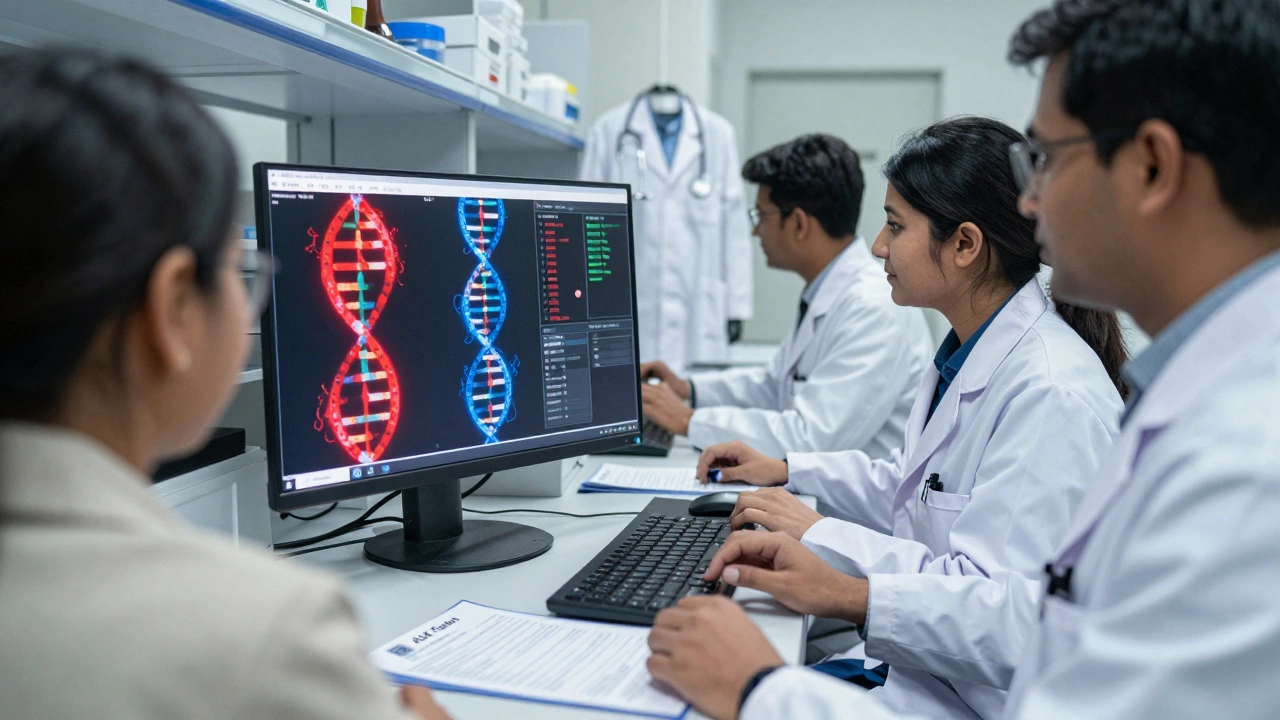
- Personalized medicine-using tumor DNA sequencing to pick the right treatment, not just the one that works for most people.
These aren’t experimental. They’re standard in top cancer centers worldwide. In India, hospitals like Tata Memorial and Apollo Chennai now offer full genomic profiling for advanced cancers at a fraction of the cost of Western countries.
It’s Not One-Size-Fits-All
Not everyone with stage 4 cancer can be saved. But the chance isn’t zero. It depends on:
- Type of cancer-Some, like testicular cancer or thyroid cancer, have high survival rates even at stage 4. Others, like pancreatic or liver cancer, remain very hard to treat.
- Genetic profile-If your tumor has a targetable mutation (like EGFR, BRAF, ROS1, NTRK), your odds improve dramatically.
- Where it spread-Cancer in one distant site (like one lung nodule) is more treatable than cancer in the liver, brain, and bones.
- How fast it grows-Slow-growing cancers respond better to long-term treatment.
For example, stage 4 melanoma used to have a median survival of 6-9 months. Now, with immunotherapy, over 50% of patients live at least five years. Some are still alive after ten.
What You Need to Do If You’re Diagnosed
If you or someone you love has been told they have stage 4 cancer, here’s what actually helps:
- Get a second opinion from a specialized cancer center-not just any hospital.
- Ask for tumor genomic testing. Not all labs do it. Push for it. It costs about $500-$1,500 in India.
- Ask about clinical trials. Many new drugs are only available this way.
- Don’t rush into chemo if you have options. Some targeted drugs have fewer side effects and work better.
- Work with a multidisciplinary team: oncologist, genetic counselor, palliative care specialist.
Many people die not because the cancer is untreatable, but because they never got the right treatment.
The Role of Lifestyle and Mindset
Can diet cure stage 4 cancer? No. Can stress make it worse? Yes.
While no food or supplement can reverse cancer, a healthy lifestyle helps your body handle treatment better. People who eat real food, stay active, sleep well, and manage stress respond better to treatment. It’s not about being perfect-it’s about giving your body the best chance.
And mindset? It matters. Not because thinking positive will kill cancer cells, but because hope keeps people in the game. Those who stay engaged, ask questions, and fight for their care live longer than those who give up.
The Dark Side: False Hope and Scams
There’s a booming industry selling false hope. “Miracle cures” with turmeric, baking soda, or CBD oil. These are dangerous. They delay real treatment. And they cost lives.
One man in Delhi stopped chemotherapy after being told a “natural therapy” could cure his stage 4 prostate cancer. He died six months later. His tumor had grown aggressively because he delayed proven treatment.
Stick to science. If a treatment isn’t in the NCCN or WHO guidelines, it’s not proven. Period.
Hope Isn’t a Lie
Yes, many people with stage 4 cancer still die. But many others don’t. And the number keeps rising.
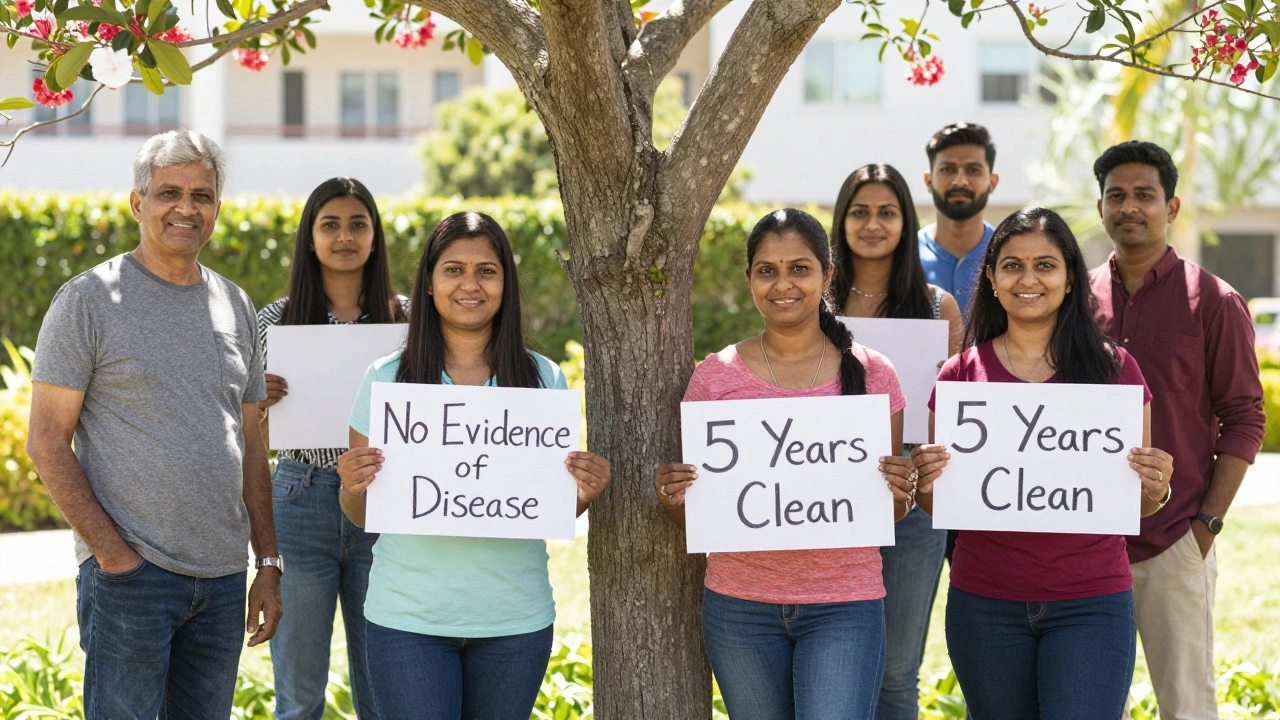
Every year, hundreds of people walk out of cancer centers with no evidence of disease. They’re not cured. But they’re alive. And they’re living full lives.
Stage 4 cancer isn’t a death sentence anymore. It’s a challenge. And like any challenge, some people overcome it-not because they were lucky, but because they refused to stop fighting.
The question isn’t whether anyone has been saved. It’s whether you’ll give yourself the chance to be one of them.
Can stage 4 cancer be cured completely?
In most cases, stage 4 cancer is not considered "cured" because cancer cells may still linger at a microscopic level. But some patients achieve long-term remission-meaning no detectable cancer for 5, 10, or even 20 years. This is especially true for cancers like melanoma, lung, and breast cancer when treated with targeted therapies or immunotherapy. For others, it becomes a chronic condition managed like diabetes or hypertension.
What are the survival rates for stage 4 cancer?
Survival rates vary widely by cancer type. For example, stage 4 breast cancer has a 5-year survival rate of about 28-40%, depending on subtype. Stage 4 colorectal cancer is around 14%, but newer treatments are pushing that higher. Melanoma has jumped from under 10% to over 50% with immunotherapy. Pancreatic cancer remains the toughest, with a 5-year rate of about 3%. These numbers are averages-individual outcomes depend on genetics, treatment access, and response.
Are targeted therapies better than chemotherapy for stage 4 cancer?
For patients whose tumors have specific genetic mutations, targeted therapies are often far more effective and less toxic than chemotherapy. For example, patients with EGFR-mutant lung cancer on drugs like Osimertinib live longer and feel better than those on chemo. But not everyone has a targetable mutation. In those cases, chemo, immunotherapy, or a combination may be better. Testing your tumor is the only way to know.
Can immunotherapy work for all types of stage 4 cancer?
No. Immunotherapy works best for cancers with high mutation loads-like melanoma, lung cancer, and kidney cancer. It’s less effective for pancreatic, prostate, or brain cancers. Some patients respond for years. Others don’t respond at all. Biomarker tests (like PD-L1 expression or tumor mutational burden) help predict who’s likely to benefit. Even then, it’s not guaranteed.
Is it too late to start treatment if I’ve been diagnosed for months?
It’s never too late to get the right treatment. Even if you’ve been told nothing more can be done, a second opinion from a major cancer center might reveal new options. Targeted drugs and clinical trials are constantly evolving. A patient who started treatment six months after diagnosis can still respond well. The goal isn’t just survival-it’s quality of life, and that’s possible at almost any stage.
What should I ask my oncologist about stage 4 cancer?
Ask: 1) What type of cancer do I have, and what’s its molecular profile? 2) Are there targeted therapies or immunotherapies approved for my case? 3) Are there clinical trials I qualify for? 4) What are my goals-long-term control, symptom relief, or both? 5) What side effects should I expect, and how will we monitor progress? Don’t settle for vague answers. Demand specifics.