
Apple Cider Vinegar Safety & Dosage Calculator
Personalized Dosage Guide
Enter your details to calculate a recommended starting dose based on scientific guidelines (15-30ml max).

Ready to Check?
Enter your details to see the scientifically recommended dosage and safety tips.
You’ve likely seen the headlines: drink this sour liquid, and watch the pounds melt away. It sounds too good to be true, doesn’t it? In the world of weight loss, we are constantly bombarded with miracle cures that promise rapid results without effort. Apple cider vinegar (ACV) is one of those remedies. It has been a staple in kitchen cabinets for centuries, but recently, it has exploded into popularity as a potential fat-burning supplement. But does it actually work, or is it just another health fad?
The short answer is yes, it can help, but not in the magical way social media influencers claim. It won’t dissolve fat overnight while you sleep. Instead, it acts as a subtle metabolic aid that works best when combined with a calorie-controlled diet. Understanding how it functions-and more importantly, how to use it safely-is key to getting real results without damaging your teeth or digestive system.
The Science Behind ACV and Metabolism
To understand why people swear by ACV, we need to look at its primary active ingredient: acetic acid. This is what gives vinegar its sharp taste and pungent smell. When you consume acetic acid, it triggers several biological processes that may support weight management.
First, acetic acid has been shown to improve insulin sensitivity. When your body becomes resistant to insulin, it stores more fat, particularly around the abdomen. By helping your cells respond better to insulin, ACV can prevent spikes in blood sugar after meals. Stable blood sugar levels mean fewer cravings for sugary snacks later in the day.
Secondly, there is evidence suggesting that acetic acid can inhibit certain enzymes that break down carbohydrates. This means your body converts fewer carbs into glucose, potentially reducing the total calories absorbed from a meal. While the effect is modest, every little bit counts when you are trying to create a calorie deficit.
Finally, ACV may influence hormones related to appetite. Some studies indicate that it increases feelings of fullness, known as satiety. If you feel fuller for longer, you are less likely to overeat during your next meal. This psychological and physiological combination makes it easier to stick to a reduced-calorie intake.
What Does the Research Actually Say?
It is easy to get lost in anecdotal evidence, so let’s look at the data. One of the most cited studies on this topic was published in the journal Bioscience, Biotechnology, and Biochemistry. Researchers divided participants into three groups: one group drank 15 ml of vinegar daily, another drank 30 ml, and the control group drank a placebo beverage.
After 12 weeks, the group drinking 15 ml of vinegar lost an average of 1.21 kg (about 2.7 lbs), and the group drinking 30 ml lost 1.68 kg (about 3.7 lbs). The placebo group gained weight. While losing 3-4 pounds in three months isn’t dramatic, it is significant because the participants did not change their diets or exercise routines. They simply added vinegar to their routine.
However, it is crucial to interpret these numbers correctly. ACV is not a magic bullet. It is a supportive tool. If you continue to eat excessive amounts of processed food and sit all day, ACV will not counteract those habits. The study highlights that ACV can provide a slight edge in a weight loss journey, but it cannot replace foundational lifestyle changes.
How to Use ACV Safely for Weight Loss
If you decide to incorporate apple cider vinegar into your routine, safety should be your top priority. Undiluted ACV is highly acidic, with a pH level similar to lemon juice. Drinking it straight can cause serious damage to your tooth enamel and irritate the lining of your throat and esophagus.
Here is the safest and most effective way to use it:
- Dilute it properly: Mix 1 to 2 tablespoons of ACV in a large glass of water (at least 8 ounces). Never drink it undiluted.
- Timing matters: Many people find success drinking it 15-30 minutes before a meal. This timing helps blunt the blood sugar spike that follows eating.
- Use a straw: To protect your teeth, drink the mixture through a straw. This minimizes contact between the acid and your tooth enamel.
- Rinse your mouth: After drinking, rinse your mouth with plain water. Wait at least 30 minutes before brushing your teeth to avoid scrubbing away softened enamel.
- Start slow: Begin with 1 teaspoon per day and gradually increase to 1-2 tablespoons. This allows your digestive system to adjust and reduces the risk of nausea.
You can also add a splash of honey or lemon juice to improve the taste, but keep in mind that adding too much sugar will negate the blood-sugar-stabilizing benefits of the vinegar.
Potential Side Effects and Risks
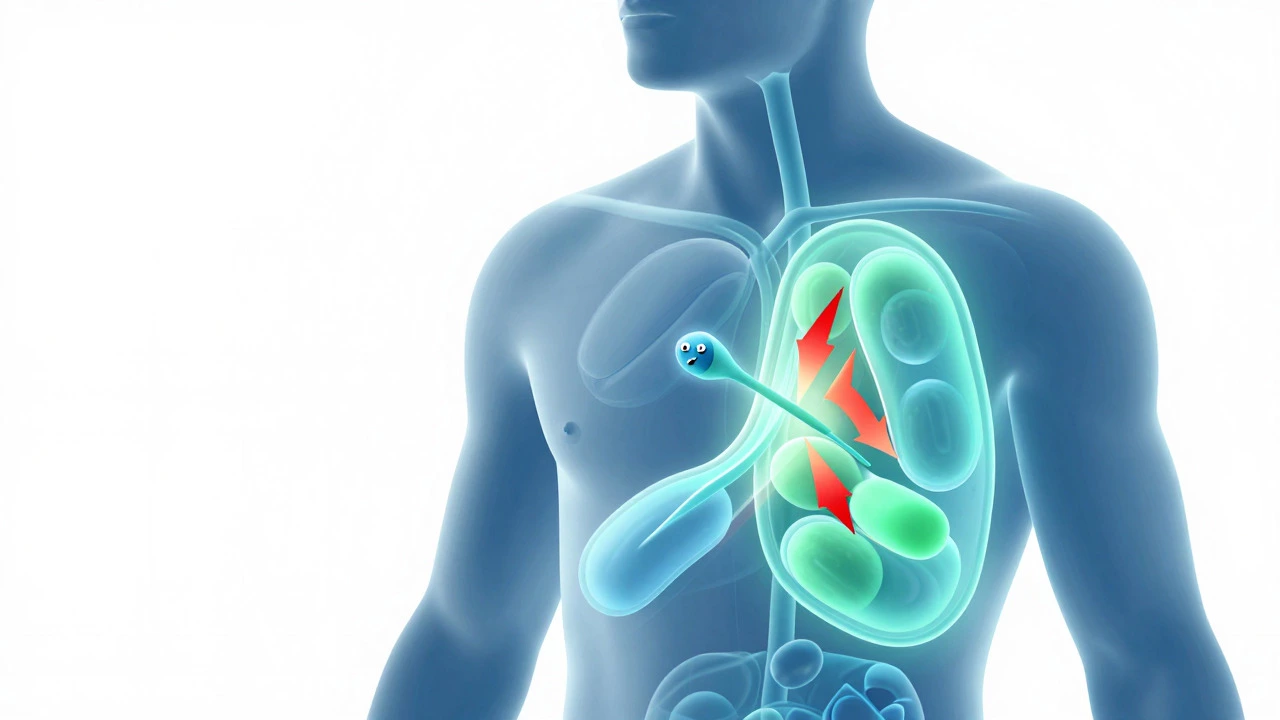
While generally safe for most people when diluted, ACV is not without risks. For some individuals, it can cause gastrointestinal discomfort, including nausea and indigestion. If you have a sensitive stomach, start with smaller doses to see how your body reacts.
A more serious concern involves potassium levels. Long-term, excessive consumption of vinegar has been linked to low potassium levels (hypokalemia) in rare cases. Low potassium can lead to muscle weakness and heart rhythm issues. If you take diuretics or insulin, consult your doctor before adding ACV to your regimen, as it can interact with these medications.
Additionally, if you suffer from gastroparesis-a condition where the stomach empties too slowly-vinegar might worsen your symptoms. Since ACV slows gastric emptying further, it could lead to bloating and discomfort for those with pre-existing digestive delays.
ACV vs. Other Weight Loss Aids
| Method | Mechanism | Effectiveness | Safety Profile |
|---|---|---|---|
| Apple Cider Vinegar | Improves insulin sensitivity, increases satiety | Moderate (1-2 kg over 3 months) | High (if diluted); risk to teeth/enamel |
| Caffeine/Green Tea | Boosts metabolism temporarily | Low to Moderate | High; may cause jitters or anxiety |
| Fiber Supplements | Increases fullness, aids digestion | Moderate | Very High; minimal side effects |
| Calorie Restriction | Creates energy deficit | High (Primary driver of weight loss) | High (if done nutritionally) |
As the table shows, ACV holds its own as a supportive measure, but it pales in comparison to fundamental strategies like calorie restriction and fiber intake. Think of ACV as a small boost, not the engine of your weight loss plan.

Integrating ACV Into a Holistic Weight Loss Plan
To truly benefit from apple cider vinegar, you must view it as part of a broader strategy. Here is how to make it work for you:
- Focus on Whole Foods: Pair your ACV habit with a diet rich in vegetables, lean proteins, and whole grains. These foods naturally stabilize blood sugar, working in tandem with the vinegar.
- Move Your Body: Regular physical activity improves insulin sensitivity independently. Combining exercise with ACV can amplify the metabolic benefits.
- Prioritize Sleep: Poor sleep disrupts hunger hormones (ghrelin and leptin). Getting 7-9 hours of quality sleep ensures your body is ready to lose weight efficiently.
- Manage Stress: High cortisol levels promote abdominal fat storage. Incorporate stress-reduction techniques like meditation or yoga to support your hormonal balance.
By addressing these core pillars, you create an environment where ACV can effectively support your goals. Without them, the vinegar alone will yield negligible results.
Common Myths Debunked
Let’s clear up some misconceptions that circulate online. First, ACV does not "detox" your body. Your liver and kidneys handle detoxification naturally. Second, it does not specifically target belly fat. Fat loss occurs systemically; you cannot spot-reduce fat from one area by drinking a specific liquid. Third, taking ACV pills is not necessarily better than liquid. Studies show mixed results for capsules, and they often contain fillers. Liquid ACV, properly diluted, is the most researched form.
Another myth is that more is better. Consuming large quantities of ACV can lead to digestive distress and nutrient absorption issues. Stick to the recommended 1-2 tablespoons per day. Quality matters too; choose raw, unfiltered ACV with the "mother"-the cloudy sediment containing beneficial bacteria and enzymes. Pasteurized vinegar lacks these probiotic elements.
Conclusion: Is It Worth It?
So, should you add apple cider vinegar to your routine? If you enjoy the taste and want a simple, low-cost addition to support your weight loss efforts, then yes. It offers mild metabolic benefits and can help manage appetite. However, do not expect miracles. It is not a substitute for healthy eating, regular exercise, and adequate sleep.
Approach ACV with realistic expectations. Use it as a tool to enhance your existing healthy habits, not as a crutch to compensate for poor ones. Always prioritize safety by diluting it and protecting your teeth. With patience and consistency, it can be a helpful ally in your journey toward a healthier weight.
How much apple cider vinegar should I drink daily for weight loss?
Most studies suggest consuming 1 to 2 tablespoons (15-30 ml) of apple cider vinegar per day. It is essential to dilute this amount in a large glass of water to prevent tooth enamel erosion and throat irritation. Start with 1 teaspoon and gradually increase to allow your body to adjust.
Can apple cider vinegar damage my teeth?
Yes, the high acidity of ACV can erode tooth enamel over time. To minimize this risk, always dilute the vinegar, drink it through a straw, and rinse your mouth with plain water afterward. Avoid brushing your teeth immediately after drinking ACV; wait at least 30 minutes.
Is it better to drink ACV before or after meals?
Drinking ACV 15-30 minutes before a meal is generally considered most effective. This timing helps stabilize blood sugar levels and may increase feelings of fullness, potentially leading to lower calorie intake during the meal.
Does apple cider vinegar burn fat directly?
No, ACV does not directly "burn" fat like a thermogenic drug. Instead, it supports weight loss by improving insulin sensitivity, reducing carbohydrate absorption slightly, and increasing satiety. These effects contribute to a calorie deficit, which leads to fat loss over time.
Are ACV gummies as effective as liquid vinegar?
There is limited scientific evidence supporting the effectiveness of ACV gummies compared to liquid vinegar. Gummies often contain added sugars and may have lower concentrations of acetic acid. Liquid ACV, properly diluted, is the most studied and reliable form for weight loss support.
Can I drink apple cider vinegar every day long-term?
For most people, daily consumption of diluted ACV is safe. However, long-term excessive use can lower potassium levels and interact with certain medications like diuretics or insulin. Consult your healthcare provider before starting a long-term regimen, especially if you have underlying health conditions.
What is the "mother" in apple cider vinegar?
The "mother" is a cloudy substance composed of proteins, enzymes, and beneficial bacteria formed during fermentation. It is found in raw, unfiltered ACV. Proponents believe the mother contains probiotics that offer additional health benefits, though scientific evidence for its impact on weight loss is still emerging.