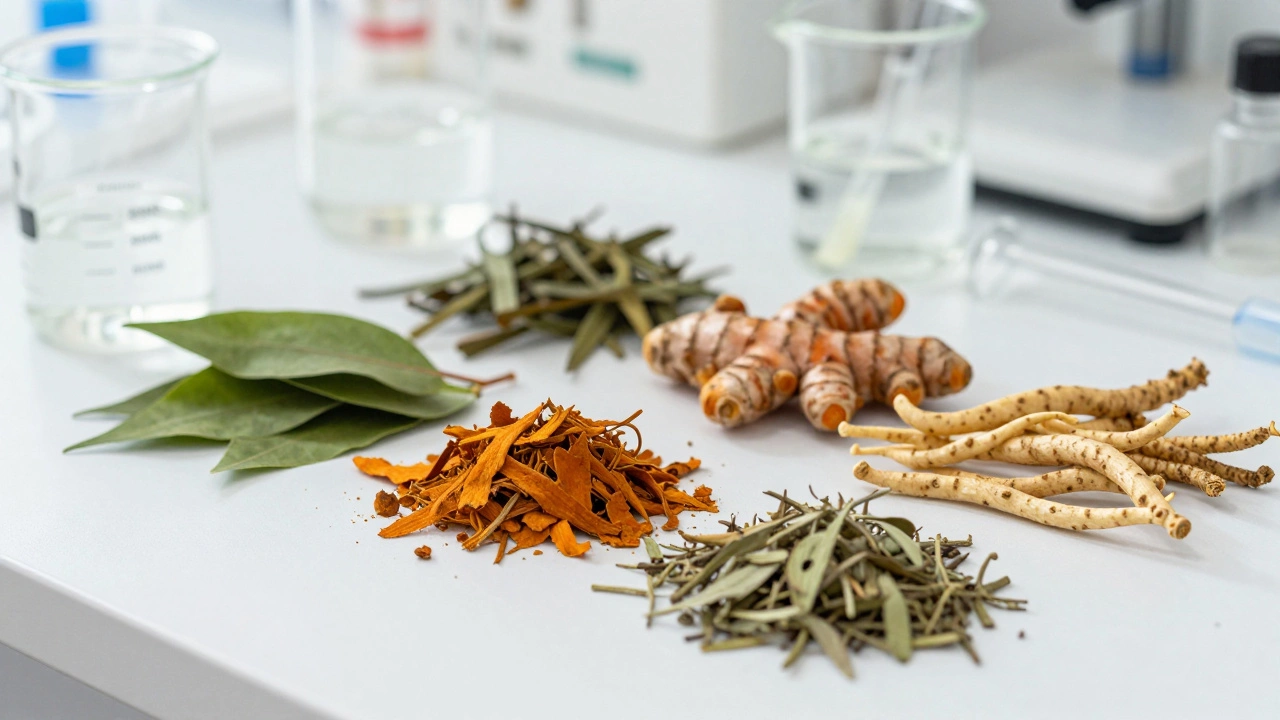
Herbal Supplement Brand Trust & Safety Checker
Evaluate herbal supplement brands based on industry standards for sourcing, testing, and transparency.
Walking down the supplement aisle can feel like navigating a maze. You see hundreds of bottles promising everything from better sleep to supercharged immunity. But here is the hard truth: not all herbal products are created equal. In fact, studies have shown that some over-the-counter supplements contain fillers, incorrect dosages, or even undisclosed pharmaceutical drugs. So, when you ask which company’s herbal products are best, you aren’t just looking for a brand name. You are looking for safety, potency, and transparency.
The herbal supplement industry is massive, but it is also loosely regulated compared to prescription medications. This means the burden of quality control falls heavily on the manufacturers themselves. The "best" companies are those that go above and beyond basic legal requirements, inviting third-party labs to test their batches and publishing those results for anyone to see. Whether you are buying ashwagandha for stress, turmeric for inflammation, or valerian root for sleep, knowing who makes what matters more than you might think.
What Makes an Herbal Company "The Best"?
Before we look at specific names, we need to define what actually separates a top-tier brand from a budget option. It isn't about flashy packaging or celebrity endorsements. It comes down to three non-negotiable pillars: sourcing, testing, and standardization.
Sourcing is where it all begins. High-quality herbs must be grown in soil free from heavy metals and pesticides. The best companies often use organic farming practices or wild-harvesting methods that respect ecological balance. If a brand doesn't tell you where their ingredients come from, that is a red flag.
Testing is the safety net. Reputable companies send every batch of raw material and finished product to independent laboratories. They check for contaminants like lead, arsenic, mercury, and salmonella. More importantly, they verify that the label matches the bottle. If it says 500mg of ginger root, it should contain exactly that-not 100mg mixed with cheap rice flour.
Standardization ensures consistency. Herbs vary naturally in potency depending on the season and harvest location. Standardization means the company adjusts the extract so that every capsule delivers a consistent amount of active compounds, such as curcumin in turmeric or hypericin in St. John's Wort. Without this, you might get a strong dose one month and a weak one the next.
| Criteria | What to Look For | Why It Matters |
|---|---|---|
| Third-Party Certification | USP, NSF, ConsumerLab, or Informed Choice seals | Proves independent verification of purity and potency |
| GMP Compliance | cGMP (Current Good Manufacturing Practices) certification | Ensures clean facilities and proper handling procedures |
| Ingredient Transparency | Full disclosure of binders, fillers, and allergens | Prevents hidden allergens and unnecessary additives |
| Sourcing Origin | Organic, non-GMO, and specific country/region of origin | Reduces risk of pesticide and heavy metal contamination |
Top-Tier Global Brands Worth Your Trust
When it comes to global reliability, a few names consistently rise to the top due to their rigorous standards and long-standing reputations. These brands invest heavily in research and quality assurance, making them safe bets for most consumers.
Nature Made is a widely recognized brand known for its USP Verified seal on many products. While they started with vitamins, their herbal line is robust. Because they carry the United States Pharmacopeia (USP) verification, you know their products dissolve properly, contain only listed ingredients, and are free from harmful levels of contaminants. They are a great choice if you want mainstream availability and proven safety.
Another heavyweight is Garden of Life, which focuses heavily on raw, organic, and non-GMO whole food supplements. Their approach is different; instead of isolating single compounds, they often use whole fruit and vegetable blends alongside herbs. This appeals to people who prefer a more holistic, food-first approach. Their probiotics and adaptogenic blends are particularly popular among health-conscious buyers.
For those interested in traditional herbal wisdom backed by modern science, Natural Factors stands out. Founded by a pharmacist, this brand emphasizes "bioavailability"-meaning their formulas are designed to be easily absorbed by the body. They offer extensive educational resources on their website, helping you understand why certain herbs work together. Their herbal extracts are potent and well-regarded by naturopathic doctors.
Specialized and Clinical-Grade Options
Sometimes, general store brands don't cut it. If you are dealing with chronic issues or need precise dosages, clinical-grade brands offer a higher tier of scrutiny. These are often recommended by healthcare practitioners.
Thorne Research is frequently cited by sports organizations and medical professionals. They partner with the U.S. Anti-Doping Agency (USADA), meaning their products are tested to ensure they are free from banned substances. This level of purity is crucial for athletes but also benefits anyone sensitive to additives. Their herbal offerings, such as Ashwagandha and Rhodiola, are highly concentrated and pure.
Jarrow Formulas has built a reputation on scientific integrity. They publish detailed white papers and references for their claims. If you buy a magnesium or herbal blend from Jarrow, you are getting a product formulated based on peer-reviewed research rather than marketing trends. Their focus on gut health and metabolic support makes their herbal lines very targeted and effective.
The Indian Heritage: Ayurvedic Excellence
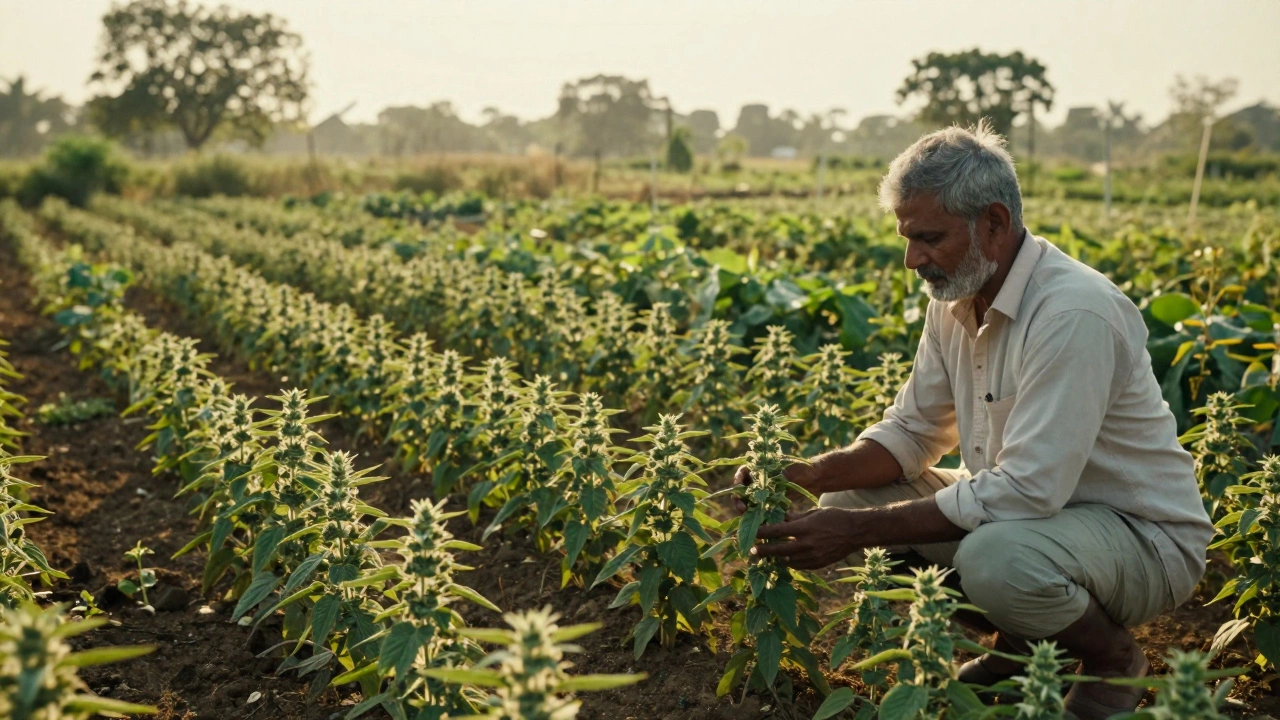
Since we are discussing herbal products, we cannot ignore the giants of Ayurveda. India is the birthplace of this ancient system of medicine, and several Indian companies have mastered the art of scaling traditional formulations without losing potency.
Himalaya Herbals is arguably the most trusted name in this space globally. With roots tracing back decades, they combine traditional Ayurvedic knowledge with modern pharmacological standards. Their products, like Liv.52 for liver support or Ashwagandha for stress, are exported worldwide. What sets them apart is their own farms where they grow many of their key herbs, ensuring control over quality from seed to shelf.
Dabur is another household name in India. While they are famous for everyday items like honey and hair oil, their herbal supplement range is extensive and affordable. They focus on accessibility, making quality herbal care available to millions. However, for therapeutic-grade supplements, Himalaya often edges out Dabur in terms of perceived potency and clinical backing.
Baidyanath caters to those seeking classical Ayurvedic formulations. Unlike standardized capsules, Baidyanath offers traditional forms like churnas (powders), ghritas (medicated ghees), and arishtas (fermented liquids). If you are looking for authentic, time-tested recipes rather than modernized extracts, Baidyanath is a solid choice.
How to Spot Red Flags in Herbal Brands
Not every company deserves your money. Here are some warning signs that suggest a brand might be cutting corners.
- Vague Ingredient Lists: If a label says "Proprietary Blend" without listing the exact amounts of each herb, avoid it. You need to know the dosage to judge efficacy and safety.
- Miracle Claims: No herb cures cancer, diabetes, or Alzheimer's overnight. Brands using language like "miracle cure" or "instant fix" are likely selling snake oil.
- No Contact Information: Legitimate companies provide clear contact details, addresses, and customer service channels. Anonymous online-only stores are risky.
- Extremely Low Prices: Quality herbs cost money to source and process. If a brand is significantly cheaper than competitors, they are likely using low-potency fillers or inferior raw materials.
Choosing the Right Brand for Your Needs
The "best" company depends on your specific goals. If you are an athlete concerned about doping violations, go with Thorne or a USADA-certified brand. If you prefer organic, whole-food approaches, Garden of Life is ideal. For daily maintenance and trusted safety, Nature Made is reliable. And if you are drawn to Ayurvedic traditions, Himalaya Herbals offers the best balance of tradition and modern quality control.
Always consult with a healthcare provider before starting any new herbal regimen, especially if you are taking other medications. Herbs like St. John's Wort, Ginkgo Biloba, and Garlic can interact with blood thinners, antidepressants, and other drugs. Knowledge is power, but professional guidance keeps you safe.
Are herbal supplements regulated by the FDA?
In the United States, herbal supplements are regulated as dietary supplements under the DSHEA act, not as drugs. This means the FDA does not approve them for safety or effectiveness before they hit the market. The responsibility lies with the manufacturer to ensure safety. Therefore, choosing brands with third-party certifications like USP or NSF is critical for quality assurance.
Is Himalaya Herbals safe for international users?
Yes, Himalaya Herbals follows strict Good Manufacturing Practices (GMP) and conducts extensive clinical trials. Their products are exported to over 40 countries and meet international quality standards. They are generally considered safe and effective for global consumers, though checking local regulations is always wise.
What does "standardized extract" mean?
Standardization means the product contains a guaranteed percentage of specific active compounds. For example, a standardized green tea extract might guarantee 50% EGCG. This ensures you get a consistent dose every time, unlike raw powder which can vary in potency based on the harvest.
Can I take herbal supplements with prescription medication?
You should always consult your doctor first. Many herbs interact with medications. For instance, St. John's Wort can reduce the effectiveness of birth control pills and antidepressants, while Ginkgo Biloba can increase bleeding risk when taken with blood thinners like Warfarin.
How do I know if a herbal brand is trustworthy?
Look for third-party testing seals like USP, NSF, or ConsumerLab. Check if the company discloses its manufacturing location and ingredient sources. Read reviews from verified purchasers and look for transparency in their labeling, avoiding vague "proprietary blends."