Arthritis-Friendly Drink Scorecard
Select the drinks you consume regularly to see how they might be affecting your joint health. This tool is based on general nutritional guidelines for arthritis management.
Your Daily Intake
Joint Health Score
You wake up with stiff knees or swollen fingers, and the first thing you reach for is usually a glass of water. But does that plain H2O actually help your joints, or are you missing out on something more potent? If you have arthritis, what you drink matters almost as much as what you eat. Certain liquids can lower inflammation, lubricate cartilage, and even ease the daily ache in your bones. Others might just add sugar spikes that make swelling worse.
Here is the quick reality check before we get into the details:
- Turmeric milk (Golden Milk) is widely cited for its anti-inflammatory curcumin content.
- Green tea contains EGCG, which may slow cartilage damage.
- Cherry juice has shown promise in reducing gout flares specifically.
- Water remains critical because synovial fluid (joint lubricant) is mostly water.
- Avoid sugary sodas and excessive alcohol, which trigger inflammatory markers like CRP.
Why Hydration Is Non-Negotiable for Joint Health
Before looking at fancy herbal blends, let’s talk about the boring but vital stuff: water. Your joints are not solid bone blocks; they contain Synovial Fluid, which acts as a shock absorber and lubricant. This fluid is largely made of water. When you are dehydrated, this fluid becomes thicker and less effective, leading to increased friction between bones. That friction equals pain.
Think of it like engine oil in a car. You wouldn’t drive a Ferrari without oil, right? Similarly, drinking enough water ensures your joints glide smoothly rather than grinding. The general rule is simple: aim for clear or pale yellow urine. If it’s dark, your joints are likely thirsty too. While water doesn’t "cure" arthritis, it prevents the condition from worsening due to mechanical stress.
The Power of Turmeric: Golden Milk Explained
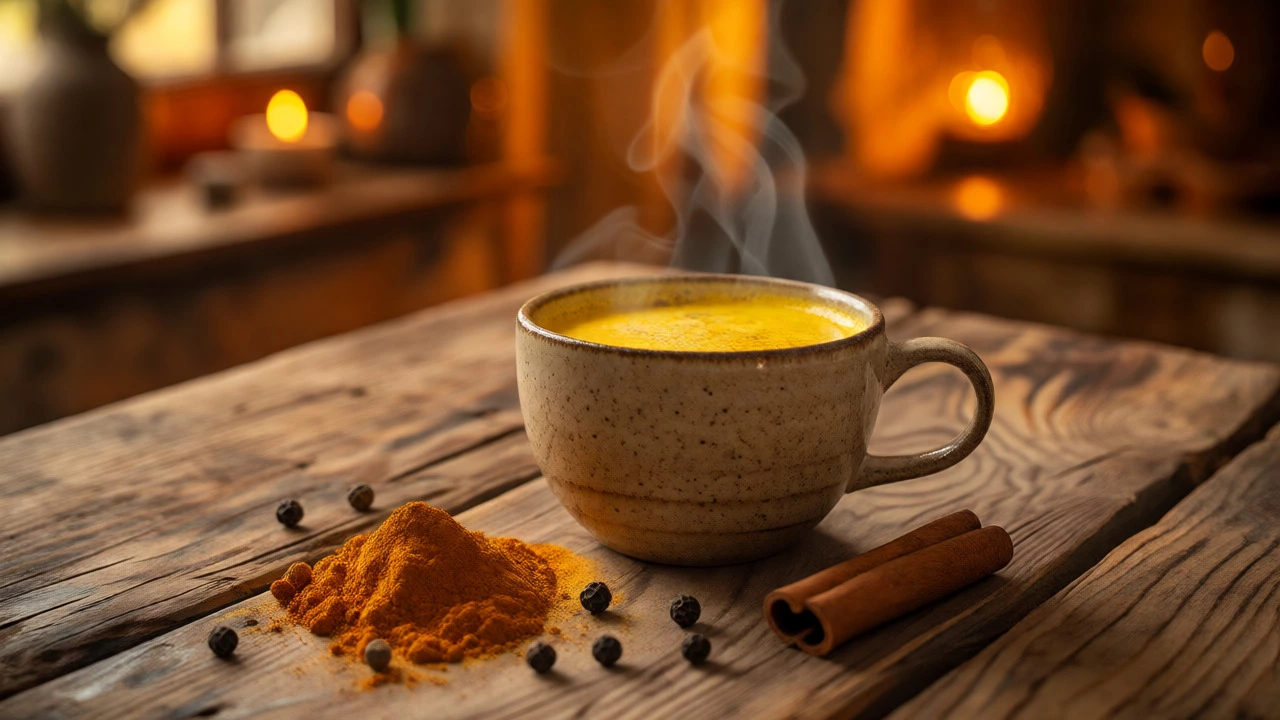
If there is one drink that dominates conversations about natural arthritis relief, it is Turmeric Milk (often called Golden Milk). The star ingredient here is Curcumin, the active compound in turmeric root. Curcumin is a powerful antioxidant and anti-inflammatory agent. Studies suggest it works similarly to some over-the-counter NSAIDs (like ibuprofen) by blocking enzymes that cause inflammation, but with fewer stomach side effects.
However, raw turmeric powder is hard for your body to absorb. To make this drink effective, you need two things: fat and black pepper. Fat helps dissolve the curcumin, while piperine (from black pepper) boosts absorption by up to 2000%. Here is a simple recipe that actually works:
- Warm up a cup of milk (dairy, almond, or coconut work well).
- Add half a teaspoon of high-quality turmeric powder.
- Add a pinch of freshly ground black pepper.
- Add a small amount of healthy fat, like a teaspoon of coconut oil or ghee.
- Optional: Add honey for taste, but skip it if you are managing blood sugar.
Drink this once a day, preferably in the evening. It takes time-usually 4 to 8 weeks-to notice a real difference in stiffness, so don’t give up after two days.
Green Tea: More Than Just Caffeine
If you prefer something lighter than milk, Green Tea is a strong contender. Unlike black tea, green tea is unfermented, which preserves its high levels of polyphenols, particularly Epigallocatechin Gallate (EGCG). Research indicates that EGCG may inhibit the production of cytokines, proteins that signal inflammation in the body.
Some animal studies have shown that green tea extract can reduce the severity of rheumatoid arthritis symptoms. For humans, the evidence is promising but mixed. Still, replacing sugary coffee drinks with unsweetened green tea is a smart move. It provides a mild caffeine boost without the crash, and the hydration benefits are undeniable. Aim for 2-3 cups a day. If you find the taste bitter, try adding lemon juice, which also helps preserve the antioxidants.
Cherry Juice: A Specific Win for Gout
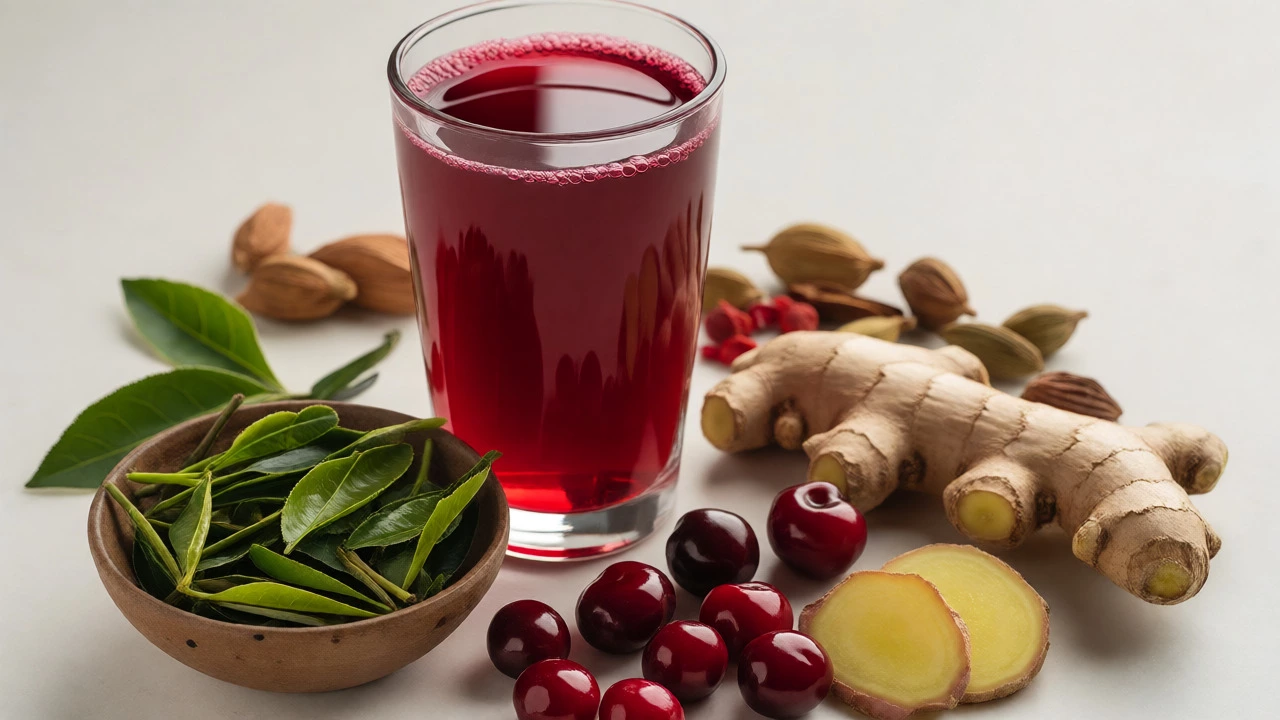
Not all arthritis is the same. If you suffer from Gout, a type of arthritis caused by uric acid crystals forming in joints, cherry juice might be your best friend. Tart cherries contain anthocyanins, pigments that give them their deep red color and fight inflammation.
A study published in *Arthritis & Rheumatism* found that women who consumed tart cherry juice had a significantly lower risk of gout attacks compared to those who didn’t. Another study suggested that drinking cherry juice twice daily could reduce uric acid levels. If you hate the sour taste, look for unsweetened tart cherry concentrate. Mix a tablespoon into water or sparkling water. Avoid commercial cherry juices loaded with high-fructose corn syrup, as fructose raises uric acid levels-the exact opposite of what you want.
Beverages to Avoid: The Inflammation Triggers
Knowing what to drink is only half the battle. Knowing what to stop drinking is equally important. Some common beverages actively worsen joint pain by spiking insulin or increasing oxidative stress.
| Beverage | Effect on Joints | Recommendation |
|---|---|---|
| Soda / Soft Drinks | High sugar increases pro-inflammatory cytokines; phosphoric acid may weaken bone density. | Cut back significantly or eliminate. |
| Alcohol (Beer/Spirits) | Dehydrates tissues; beer is high in purines (bad for gout); excess alcohol disrupts sleep needed for healing. | Moderation is key. Wine in small amounts may be okay due to resveratrol. |
| Fruit Juices (Store-bought) | Often lack fiber and spike blood sugar rapidly, promoting inflammation. | Choose whole fruits instead or dilute juice heavily with water. |
| Excessive Coffee | Can interfere with calcium absorption if consumed in huge quantities (>4-5 cups/day). | Limit to 1-2 cups; ensure adequate calcium intake elsewhere. |
Notice the pattern? Sugar and dehydration are the enemies. Alcohol is tricky because moderate red wine consumption is sometimes linked to heart health benefits, but for arthritis patients, especially those on medication like methotrexate, alcohol can strain the liver. Always check with your doctor before making significant changes if you are on prescription meds.
Other Helpful Options: Ginger and Bone Broth
Beyond the big three (water, turmeric, green tea), two other drinks deserve mention. First, Ginger Tea. Ginger contains gingerols, which block prostaglandins-chemicals that promote inflammation and pain. Many people find fresh ginger tea soothing for morning stiffness. Steep thin slices of fresh ginger in hot water for 10 minutes. It’s spicy, warming, and effective.
Second, Bone Broth. While technically a food, sipping warm bone broth is a comforting habit for many arthritis sufferers. It is rich in collagen, glucosamine, and chondroitin-compounds naturally found in cartilage. While the scientific debate continues on whether dietary collagen directly rebuilds joint tissue, many patients report subjective improvements in joint comfort. Plus, it is hydrating and nutrient-dense.
How to Build a Daily Routine
You don’t need to drink everything listed above every day. Consistency matters more than variety. Here is a realistic schedule for someone with moderate joint pain:
- Morning: Start with a large glass of warm water with lemon to kickstart hydration.
- Mid-Morning: One cup of Green Tea or Ginger Tea.
- Lunch: Water with meals. Avoid sugary drinks.
- Afternoon: Another glass of water or diluted Cherry Juice (if you have gout).
- Evening: Golden Milk (Turmeric Latte) 1 hour before bed to aid sleep and reduce overnight stiffness.
This routine keeps inflammation-fighting compounds flowing through your system throughout the day while ensuring your joints stay lubricated.
When to See a Specialist
Dietary changes support medical treatment; they do not replace it. If you experience sudden swelling, redness, warmth around a joint, or fever alongside pain, see an orthopedic specialist immediately. These could be signs of infection or acute flare-ups requiring medication adjustments. In Bangalore, where humidity and pollution vary, maintaining joint health requires consistent care. Don’t rely solely on home remedies if pain persists beyond two weeks despite lifestyle changes.
Does drinking water really help arthritis?
Yes, indirectly. Synovial fluid, which lubricates joints, is primarily composed of water. Dehydration reduces the volume and viscosity of this fluid, leading to increased friction and pain. Staying hydrated supports overall joint function and helps flush out toxins that contribute to inflammation.
Is turmeric milk safe to drink every day?
For most people, yes. However, high doses of curcumin can interact with blood-thinning medications (like warfarin) or diabetes drugs. If you have gallbladder issues or kidney stones, consult your doctor before consuming large amounts of turmeric daily.
Can coffee worsen arthritis?
Moderate coffee consumption (1-2 cups) is generally fine and may even have anti-inflammatory properties. However, excessive caffeine can interfere with calcium absorption and sleep quality, both of which are crucial for bone and joint health. Adding heavy cream or sugar negates the benefits.
Which juice is best for gout arthritis?
Tart cherry juice is the top recommendation for gout. It helps lower uric acid levels and reduces the frequency of flare-ups. Ensure it is unsweetened, as added sugars can increase uric acid production.
Are dairy products bad for arthritis?
This varies by individual. Some people find that dairy triggers inflammation, possibly due to lactose intolerance or sensitivity to casein protein. Others tolerate it well and benefit from the calcium and vitamin D. Try eliminating dairy for two weeks to see if your joint pain improves, then reintroduce it to test tolerance.