
Diabetes Medication Suitability Checker
Disclaimer: This tool is for educational purposes only and does not constitute medical advice. Always consult your doctor.
Recommendation
Select options on the left and click Analyze to see potential medication matches.
There is no single "number one" diabetes medicine that works for everyone. If you are looking for a magic pill, you might be disappointed. However, there is a clear medical consensus on the first-line defense and the most effective modern treatments available in 2026. For most people with Type 2 Diabetes, which accounts for over 90% of all cases, the journey usually starts with lifestyle changes and a specific medication called Metformin.
But the landscape has changed dramatically in recent years. Newer classes of drugs, specifically GLP-1 receptor agonists like Semaglutide and Tirzepatide, have taken center stage because they do more than just lower blood sugar-they help with weight loss and heart health.
The Gold Standard: Why Metformin Remains #1 for Most
If your doctor asks what the foundational drug for diabetes is, the answer is almost always Metformin. It is an oral biguanide medication that decreases glucose production in the liver and improves insulin sensitivity. It has been used since the 1950s, but it remains the go-to choice for several practical reasons.
First, it is incredibly affordable. Unlike newer injectable therapies that can cost hundreds or even thousands of dollars per month, generic Metformin costs very little. Second, it has a long safety record. Doctors know exactly how it behaves in the body. Third, it rarely causes low blood sugar (hypoglycemia) when used alone, which makes it safer for daily use compared to older insulin secretagogues.
Metformin works by telling your liver to stop pumping out excess glucose into your bloodstream. It also helps your muscle cells use the insulin already present more effectively. Think of it as fixing the lock so the key (insulin) can open the door to let energy in. While it doesn't cause significant weight loss on its own, it is weight-neutral, meaning it won't make you gain weight like some other older medications might.
The New Heavyweights: GLP-1 Agonists and GIP/GLP-1 Dual Agonists
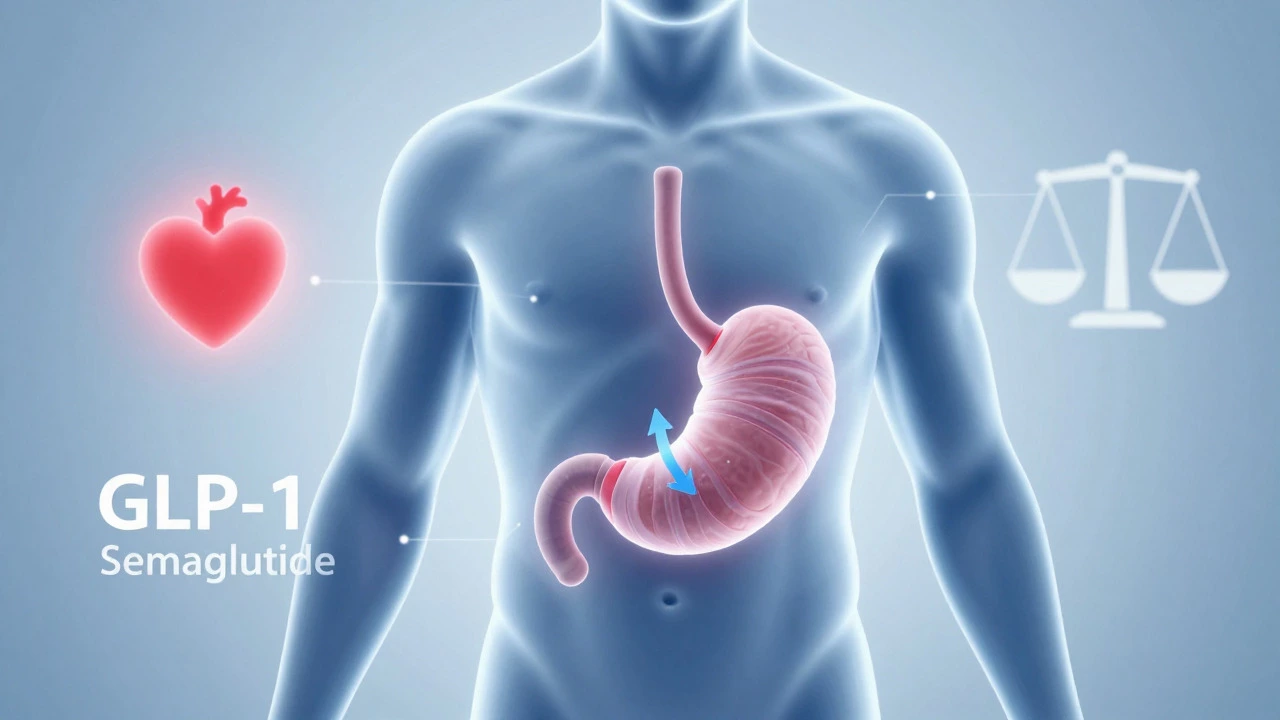
In 2026, if you ask patients who feel their medication is truly "working" beyond just numbers on a lab report, many will point to the GLP-1 class. These are injectable medications that mimic hormones in your gut called incretins.
Semaglutide (known by brand names like Ozempic for diabetes and Wegovy for weight loss) is perhaps the most famous name in this category right now. It slows down how fast your stomach empties, which keeps you feeling full longer. This leads to reduced calorie intake and significant weight loss. More importantly, large clinical trials have shown that Semaglutide reduces the risk of heart attacks and strokes in people with Type 2 Diabetes and existing cardiovascular disease.
Then there is Tirzepatide (brand name Mounjaro). This is a dual agonist, meaning it targets both GLP-1 and another hormone called GIP. In head-to-head studies, Tirzepatide has often shown slightly better blood sugar control and greater weight loss compared to Semaglutide. For many patients, this represents the current peak of efficacy for non-insulin therapies.
Heart and Kidney Protection: The Role of SGLT2 Inhibitors
While GLP-1s get the media attention, another class of drugs has become essential for protecting vital organs: SGLT2 inhibitors. Drugs like Empagliflozin (Jardiance) and Dapagliflozin (Farxiga) work differently from everything else.
Instead of increasing insulin or decreasing liver glucose, SGLT2 inhibitors tell your kidneys to dump excess sugar out through your urine. Yes, you literally pee out the extra glucose. This process removes calories from your body, leading to modest weight loss and a drop in blood pressure.
The real game-changer here is organ protection. Major studies published in the last few years have proven that SGLT2 inhibitors significantly slow the progression of chronic kidney disease and reduce hospitalizations for heart failure. If you have diabetes along with heart or kidney issues, your doctor will likely prescribe an SGLT2 inhibitor regardless of whether your A1C is perfectly controlled. They are considered standard of care for these comorbidities.
Comparison of Leading Diabetes Medications
| Medication Class | Primary Mechanism | Weight Effect | Cardio/Kidney Benefit | Administration |
|---|---|---|---|---|
| Biguanides (Metformin) | Reduces liver glucose output | Neutral / Mild Loss | Moderate | Oral Pill |
| GLP-1 Agonists (Semaglutide) | Slows digestion, increases insulin | Significant Loss | High (Heart) | Weekly Injection |
| GIP/GLP-1 Agonists (Tirzepatide) | Dual hormone mimicry | Very Significant Loss | High (Heart) | Weekly Injection |
| SGLT2 Inhibitors (Empagliflozin) | Excretes glucose via urine | Moderate Loss | Very High (Kidney/Heart) | Oral Pill |
| Insulin | Replaces missing hormone | Gain | Variable | Daily Injection/Pump |
When Insulin Becomes Necessary
Despite the advances in oral and injectable non-insulin drugs, Insulin therapy remains the most powerful tool for lowering blood glucose. It is not a sign of failure; it is a necessary step for many. People with Type 1 Diabetes must take insulin to survive because their bodies produce none.
For those with Type 2 Diabetes, insulin may be needed if other medications fail to keep blood sugar in range, or if blood sugar levels are dangerously high at diagnosis (a state called glucotoxicity). Modern insulins, such as ultra-long-acting basal insulins like Degludec, offer once-daily dosing with a lower risk of nighttime hypoglycemia. The goal is to use the lowest effective dose while maintaining quality of life.
How Doctors Choose the "Best" Medicine for You
Selecting the right medication is not about picking the strongest drug off the shelf. It is a personalized calculation based on your specific health profile. Here is how healthcare providers typically decide:
- Comorbidities: Do you have heart disease? An SGLT2 inhibitor or GLP-1 agonist is preferred. Do you have kidney disease? An SGLT2 inhibitor is crucial. Are you overweight? GLP-1s or Tirzepatide are top choices.
- Hypoglycemia Risk: If you drive a truck, work at heights, or live alone, avoiding low blood sugar is critical. Metformin, SGLT2s, and GLP-1s have very low risks of causing lows compared to sulfonylureas or insulin.
- Cost and Access: Even if a drug is clinically superior, it is useless if you cannot afford it. Insurance coverage varies wildly. Metformin is almost always covered with a low copay. Newer injectables often require prior authorization.
- Patient Preference: Some people hate needles. Others hate taking multiple pills. Adherence is the biggest predictor of success. If you prefer a weekly shot over daily pills, you will likely stick with the treatment longer.
Lifestyle: The Invisible Medicine
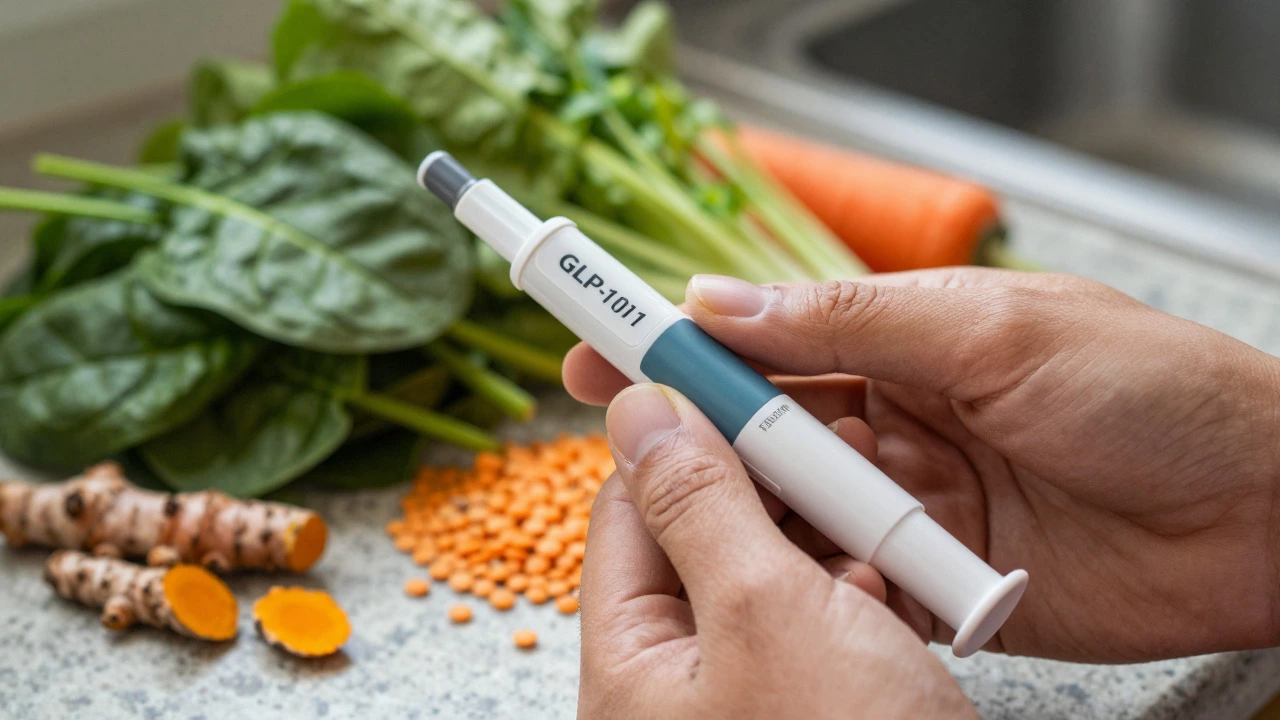
No discussion of diabetes medicine is complete without acknowledging the foundation upon which all drugs rest: lifestyle modification. Medical Nutrition Therapy and regular physical activity are prescribed alongside every medication.
Research consistently shows that losing even 5-10% of body weight can drastically improve insulin sensitivity. In some early-stage Type 2 Diabetes cases, significant weight loss through diet and exercise-or bariatric surgery-can put the disease into remission, allowing patients to stop taking medication entirely. Drugs assist this process, but they do not replace the need for healthy habits.
Common Side Effects to Watch For
Every medication comes with trade-offs. Knowing what to expect helps you stay on track.
- Metformin: Gastrointestinal issues like diarrhea, nausea, or stomach cramps are common initially. Taking it with food or using the extended-release version often solves this. Rarely, it can lead to Vitamin B12 deficiency, so monitoring levels is wise.
- GLP-1 Agonists: Nausea, vomiting, and constipation are frequent side effects, especially when starting or increasing doses. Eating smaller meals and avoiding fatty foods can help mitigate these symptoms.
- SGLT2 Inhibitors: Because they increase urine output, there is a higher risk of genital yeast infections and urinary tract infections. Staying hydrated and practicing good hygiene are important precautions.
- Insulin: Weight gain and hypoglycemia (low blood sugar) are the primary concerns. Learning to recognize the signs of a "low" (shaking, sweating, confusion) and carrying fast-acting carbs is essential.
Frequently Asked Questions
Is Metformin still the first-line treatment for Type 2 Diabetes?
Yes, for most patients without specific complications, Metformin remains the initial recommended therapy due to its efficacy, safety profile, and low cost. However, guidelines are shifting to consider adding GLP-1 agonists or SGLT2 inhibitors earlier if the patient has heart or kidney disease.
Which diabetes medication is best for weight loss?
GLP-1 receptor agonists like Semaglutide and dual agonists like Tirzepatide are currently the most effective diabetes medications for promoting significant weight loss. They work by reducing appetite and slowing gastric emptying.
Can I stop taking diabetes medicine if my blood sugar is normal?
Only under the direct supervision of your doctor. Normal blood sugar is often a result of the medication working. Stopping abruptly can cause levels to spike. In cases of significant lifestyle change and weight loss, some patients achieve remission and may taper off drugs safely.
Do SGLT2 inhibitors damage the kidneys?
No, quite the opposite. While they may cause a small, temporary dip in kidney function markers (eGFR) when first started, long-term data shows they protect against the progression of chronic kidney disease and reduce the risk of kidney failure in diabetic patients.
Is Ozempic the same as Mounjaro?
No. Ozempic contains Semaglutide, which is a GLP-1 agonist. Mounjaro contains Tirzepatide, which is a dual GIP and GLP-1 agonist. Both are highly effective, but Mounjaro targets two hormonal pathways and has shown slightly greater efficacy in some clinical trials regarding glucose control and weight loss.
Why does my doctor want me to take multiple diabetes pills?
Diabetes affects the body in multiple ways-liver glucose production, insulin resistance, and insulin secretion. Different medications target different mechanisms. Combining them (combination therapy) often provides better blood sugar control with fewer side effects than maximizing the dose of a single drug.