Blood Sugar Drink Selector
Select your current goal or situation below to get a personalized recommendation based on clinical evidence.
What is your goal?
Prevent Post-Meal Spikes
I just ate carbs and want to lower the impact.Improve Insulin Sensitivity
I want my body to process sugar better long-term.Lower High Blood Sugar Now
My meter is reading high right now.Daily Maintenance
I want a healthy habit for general control.Click an option on the left to see your recommendation.
You just checked your glucose meter, and the number is higher than you’d like. You’re not looking for a magic potion that replaces medication, but you are wondering if what’s in your glass matters as much as what’s on your plate. The short answer is yes. While no drink instantly cures high blood sugar, certain beverages can help improve insulin sensitivity, slow carbohydrate absorption, or simply prevent dehydration-induced spikes.
Managing blood sugar levels is a critical aspect of diabetes care that involves monitoring glucose concentrations in the blood to prevent complications requires more than just avoiding soda. It’s about strategic choices. If you have type 2 diabetes or prediabetes, swapping sugary drinks for specific functional beverages can be a powerful tool in your daily routine. Let’s look at what actually works, based on clinical evidence and nutritional science.
The Foundation: Water and Hydration
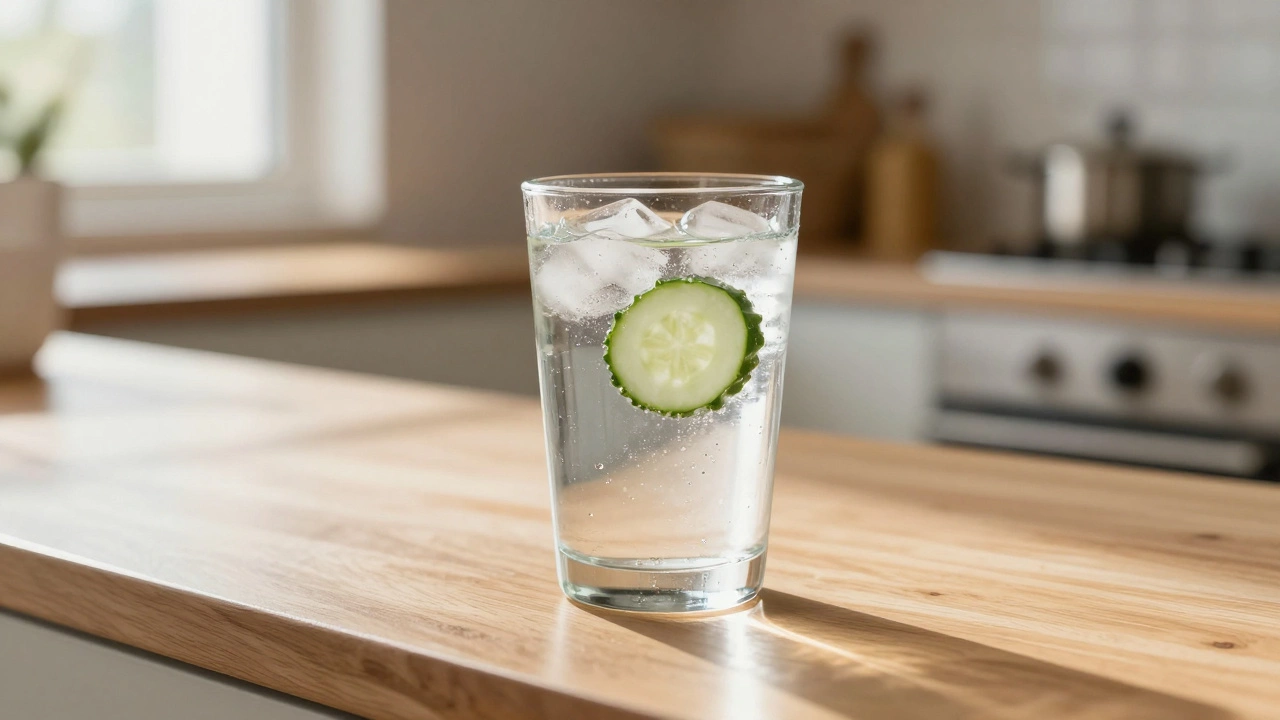
Before we get to the fancy teas and vinegars, let’s talk about the most important drink of all: plain water. Dehydration is a silent driver of high blood sugar. When your body lacks fluid, it produces a hormone called vasopressin, which signals the liver to release stored glucose into the bloodstream. This creates a vicious cycle: high blood sugar makes you thirsty, but being dehydrated raises blood sugar further.
If you skip fluids throughout the day, your kidneys struggle to filter excess glucose from your blood. Drinking adequate water helps flush out this excess sugar through urine. For most adults, aiming for eight 8-ounce glasses a day is a good baseline, though individual needs vary based on activity level and climate. If you feel thirsty, your blood sugar may already be climbing. Keep a bottle handy and sip consistently rather than chugging large amounts at once.
Green Tea: The Antioxidant Powerhouse
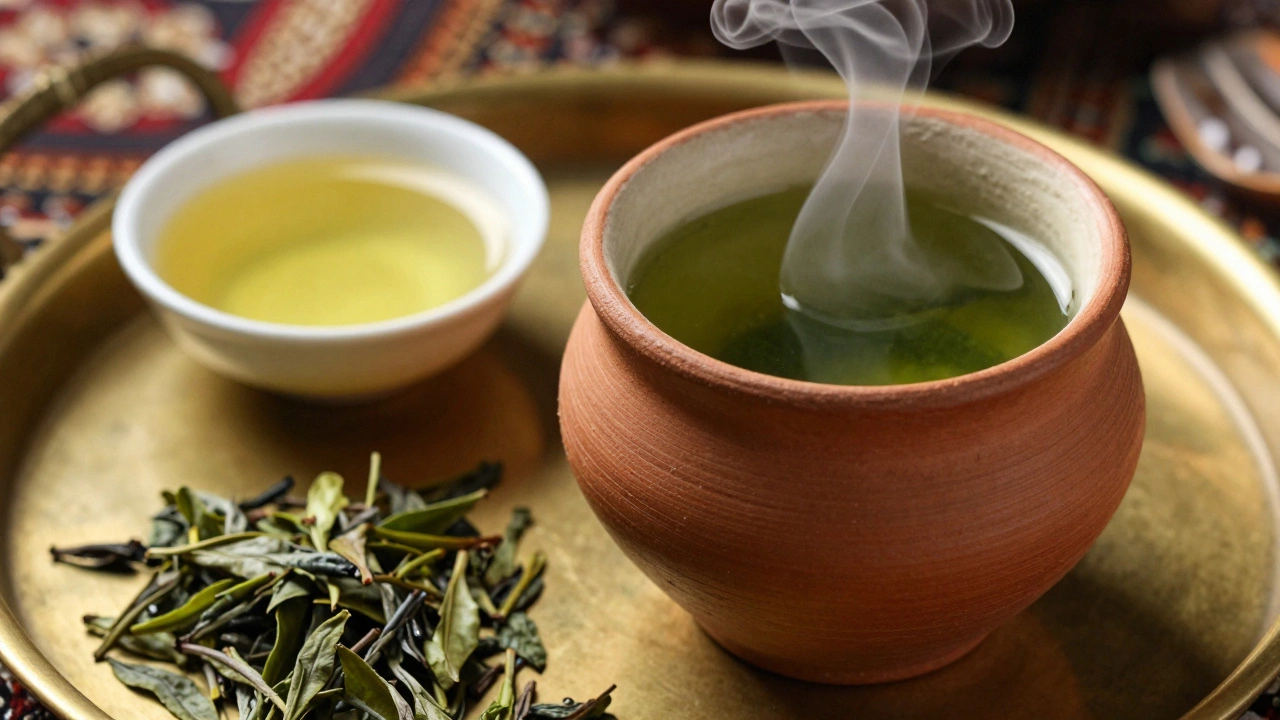
Green tea is a beverage made from Camellia sinensis leaves that contains polyphenols and catechins known for their health benefits has been studied extensively for its role in metabolic health. Unlike black tea, green tea undergoes minimal oxidation, preserving compounds like epigallocatechin gallate (EGCG). These antioxidants don’t just fight inflammation; they actively interfere with how your body processes carbohydrates.
Research suggests that EGCG can block enzymes that break down starch into sugar, effectively slowing the rise in blood glucose after a meal. A study published in the *Journal of Nutrition* found that participants who drank green tea regularly had significantly lower fasting blood glucose levels compared to those who didn’t. To get these benefits, opt for unsweetened green tea. Adding honey or sugar defeats the purpose entirely. You can drink it hot or iced, but avoid pre-bottled versions that often contain hidden sugars.
Apple Cider Vinegar: Slowing Digestion
Drinking apple cider vinegar is a fermented liquid containing acetic acid that may improve insulin sensitivity and reduce post-meal blood sugar spikes might sound unappealing, but the science behind it is compelling. The key component here is acetic acid. When consumed before or during a meal, acetic acid slows down gastric emptying-the speed at which food leaves your stomach and enters the small intestine.
This slower digestion means glucose enters your bloodstream gradually rather than all at once, preventing sharp spikes. A landmark study showed that consuming two tablespoons of apple cider vinegar diluted in water before a high-carb meal reduced postprandial blood sugar by up to 34% in people with type 2 diabetes. Just remember to dilute it-one tablespoon in a large glass of water-to protect your tooth enamel and throat lining. Never drink it straight.
Cinnamon Tea: Improving Insulin Sensitivity
Cinnamon is a spice derived from the inner bark of trees in the genus Cinnamomum, known for its potential to mimic insulin and enhance its effect has long been touted in traditional medicine, and modern research supports some of these claims. Cinnamon contains bioactive compounds that may increase insulin sensitivity, meaning your cells respond better to the insulin your body produces. It also helps move glucose from the blood into cells more efficiently.
While results vary between studies, many patients report modest improvements in fasting blood sugar when incorporating cinnamon daily. You can steep cinnamon sticks in hot water to make a simple tea. Aim for Ceylon cinnamon if possible, as Cassia cinnamon (the common variety) contains coumarin, which can be harmful to the liver in high doses. Start with one stick per cup and see how your body responds over a few weeks.
Fenugreek Water: An Ancient Remedy
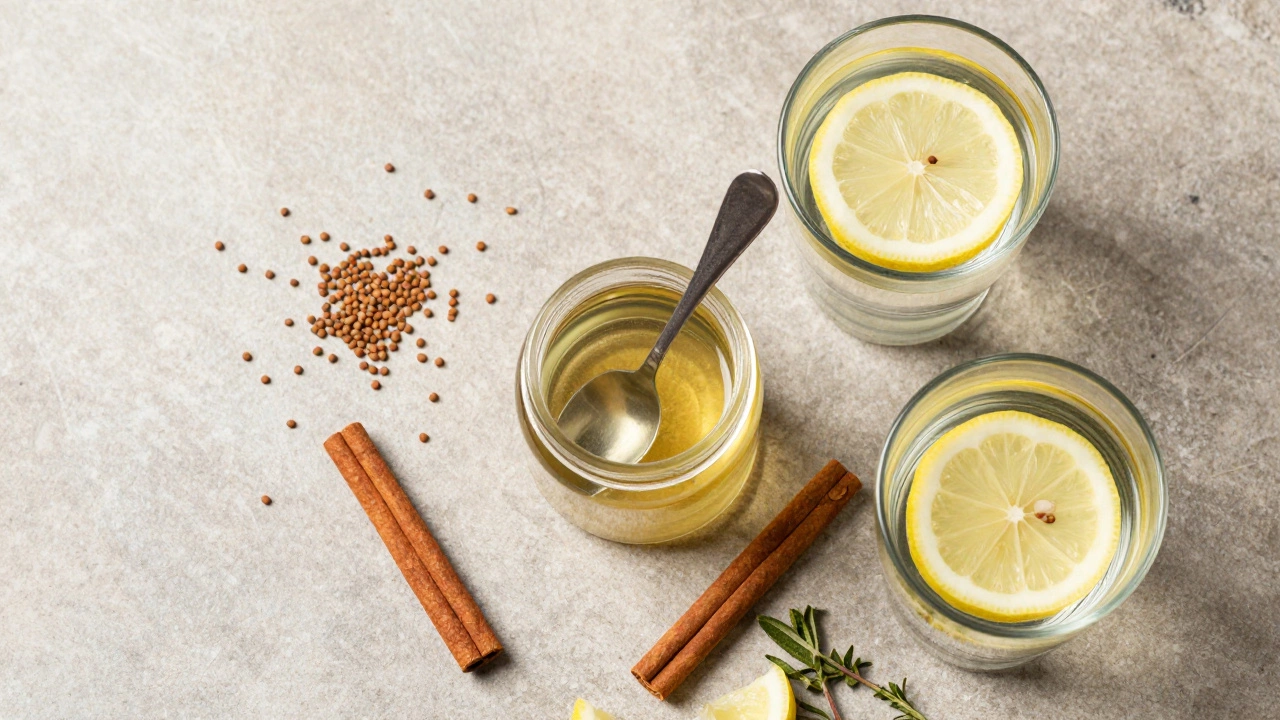
In many cultures, including Ayurvedic traditions, fenugreek seeds are small, amber-colored seeds rich in soluble fiber that can delay carbohydrate digestion and absorption are used to manage diabetes. Soaking fenugreek seeds overnight and drinking the water in the morning is a popular practice. The seeds are high in soluble fiber, which forms a gel-like substance in the gut. This gel slows down the breakdown of carbohydrates and reduces the rate at which sugar enters the bloodstream.
Additionally, fenugreek contains amino acids like arginine, which stimulate insulin production. Clinical trials have shown that regular consumption of fenugreek can lead to significant reductions in both fasting and post-meal blood glucose levels. If you try this, soak five grams of seeds in a glass of water, strain them in the morning, and drink the liquid. You can eat the softened seeds too for extra fiber.
Beverages to Avoid Completely
Knowing what to drink is only half the battle. Equally important is knowing what to avoid. Sugary drinks are the biggest enemy of stable blood sugar. This includes sodas, fruit juices, sweetened teas, and energy drinks. Even "healthy" options like orange juice or smoothies with added fruit can cause rapid spikes because the fiber has been removed or blended into a form that digests quickly.
Alcohol is another tricky category. While moderate red wine consumption has been linked to heart health, alcohol can cause unpredictable blood sugar swings. It often lowers blood sugar initially by interfering with the liver’s ability to release glucose, leading to dangerous hypoglycemia, especially if you take insulin or sulfonylureas. Always consume alcohol with food and monitor your levels closely.
| Drink | Key Benefit | Best Time to Consume | Caution |
|---|---|---|---|
| Water | Prevents dehydration-induced spikes | Throughout the day | None |
| Green Tea | Slows carb digestion via EGCG | With meals | Avoid added sugar |
| Apple Cider Vinegar | Reduces post-meal spikes | 15 mins before eating | Dilute to protect teeth |
| Cinnamon Tea | Improves insulin sensitivity | Morning or evening | Use Ceylon cinnamon |
| Fenugreek Water | Delays glucose absorption | Empty stomach | May cause mild GI upset |
Practical Tips for Daily Integration
Incorporating these drinks doesn’t require a complete lifestyle overhaul. Start small. Swap your afternoon coffee with a cup of green tea. Add a splash of apple cider vinegar to your morning water. Keep a bottle of infused water (with lemon or cucumber) at your desk to encourage hydration. Consistency is key. These benefits accumulate over time, not in a single sitting.
Always pair your drink choices with a balanced diet low in refined carbs and high in fiber. Regular physical activity also enhances insulin sensitivity, working synergistically with these beverages. And remember, these drinks complement-not replace-prescribed medications. Never adjust your dosage without consulting your healthcare provider.
Can I drink apple cider vinegar every day?
Yes, most people can safely consume one to two tablespoons of apple cider vinegar diluted in water daily. However, always dilute it to prevent erosion of tooth enamel and irritation of the throat. If you have kidney disease or take diuretics, consult your doctor first.
Does green tea work immediately?
No, green tea does not provide an immediate drop in blood sugar. Its benefits come from regular consumption over weeks or months, improving overall insulin sensitivity and slowing carbohydrate digestion gradually.
Is cinnamon safe for everyone with diabetes?
Cinnamon is generally safe, but Cassia cinnamon contains coumarin, which can harm the liver in high amounts. Opt for Ceylon cinnamon for daily use. Also, if you are on blood-thinning medication, discuss cinnamon supplementation with your doctor.
What should I do if my blood sugar is high right now?
If your blood sugar is high, drink a large glass of water to help flush excess glucose through urine. Engage in light physical activity like walking if safe to do so. Do not rely solely on drinks; follow your healthcare provider's sick-day rules and medication adjustments.
Can herbal teas replace diabetes medication?
No, herbal teas cannot replace prescribed diabetes medication. They are supportive tools that may enhance the effectiveness of your treatment plan but should never be used as a substitute for medical therapy without professional guidance.