Palliative Care: What It Is, Who Needs It, and How It Helps in India
When someone is living with a serious illness—like cancer, heart failure, or advanced kidney disease—palliative care, a specialized medical approach focused on improving quality of life for people with serious illness. Also known as supportive care, it’s not about giving up. It’s about making sure you live as well as possible, no matter how long you have. This isn’t just for the final days. It starts as soon as a diagnosis changes your life, and it runs alongside treatments like chemo or dialysis. In India, where many families care for loved ones at home, palliative care fills a critical gap: managing pain, reducing anxiety, and helping people stay comfortable without unnecessary hospital trips.
What does palliative care actually include? It’s not one thing. It’s pain management, the targeted use of medications and therapies to reduce physical suffering—like adjusting opioids for cancer pain or using nerve blocks for chronic back pain. It’s also emotional support, counseling for patients and families dealing with fear, guilt, or grief. And it’s about practical help: figuring out how to get medicine delivered, navigating insurance, or deciding whether to keep a feeding tube. In rural India, where access to specialists is limited, community health workers are increasingly trained to bring palliative care to homes, not just hospitals.
People often think palliative care means hospice—and while hospice is a type of palliative care, it’s usually for the last six months of life. Palliative care can start at diagnosis. A 60-year-old with stage 4 lung cancer might get it while still trying chemotherapy. A 75-year-old with heart failure might use it to avoid repeated ER visits. Even someone with advanced dementia can benefit from gentle touch, familiar music, and quiet surroundings. The goal? To keep dignity, reduce suffering, and let families focus on being together—not just on medical bills or confusing choices.
In India, the need is huge. Fewer than 10% of people who need palliative care get it. Why? Lack of awareness, stigma around death, and not enough trained doctors. But that’s changing. Cities like Bangalore, Pune, and Delhi have growing palliative networks. And more families are learning that asking for help isn’t giving up—it’s taking control.
Below, you’ll find real stories and practical advice from people who’ve walked this path. From how to talk to a doctor about pain, to what insurance covers (or doesn’t), to the quiet moments that matter most when time is short. These aren’t theoretical guides. They’re the kind of information you wish you’d found sooner.
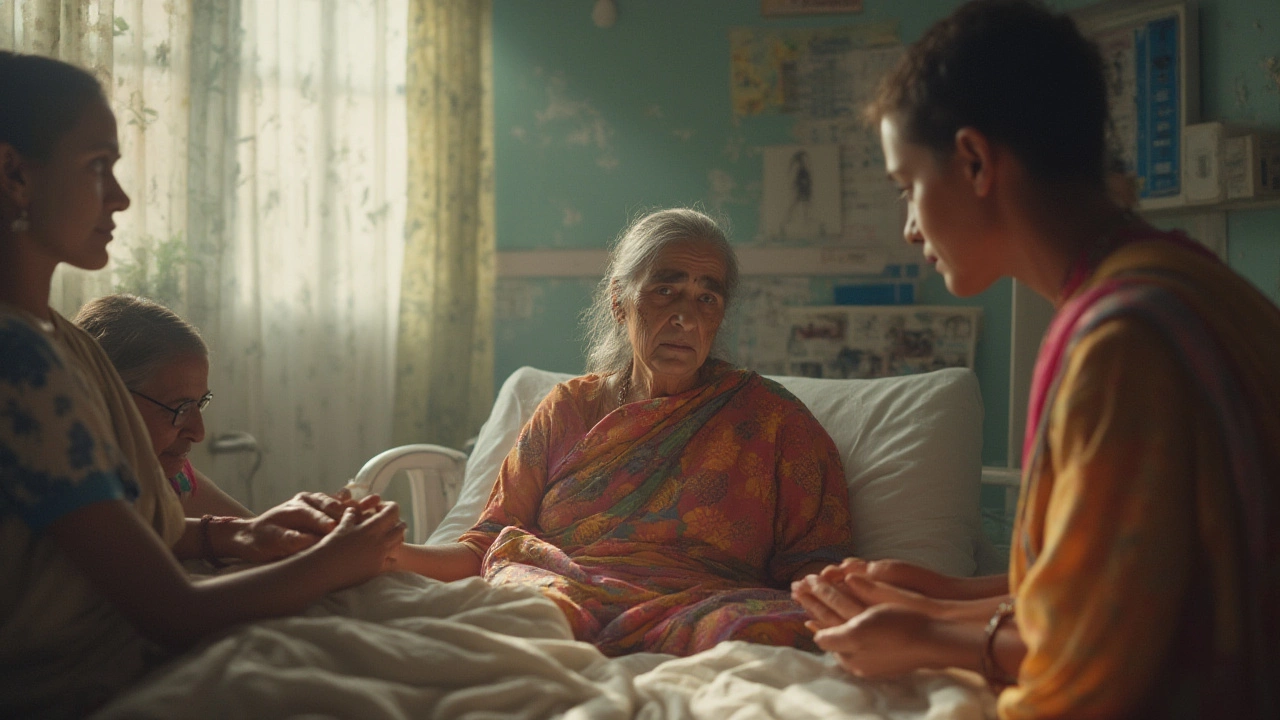
When to Refuse Chemotherapy: Understanding Your Choices in Cancer Treatment
Dig into when it might make sense to say no to chemotherapy, weighing facts, real stories, quality of life, and modern alternatives for cancer patients.