Open-Heart Surgery Recovery: What to Expect and How to Heal Faster
When you or someone you love undergoes open-heart surgery, a major cardiac procedure where the chest is opened to access the heart. Also known as sternotomy, it’s not a minor operation—your body needs time, care, and the right steps to heal properly. This isn’t like getting a knee replaced. Your sternum is cut open, ribs are spread, and your heart is stopped temporarily. Recovery isn’t just about waiting—it’s about doing the right things at the right time.
Cardiac rehabilitation, a structured program of exercise, education, and support after heart surgery is the single most important factor in getting back to normal. Studies show people who stick to rehab cut their risk of another heart event by nearly 30%. But it’s not just about walking on a treadmill. It’s learning how to lift safely, how to breathe without pain, and when to push and when to rest. Many patients think they should stay in bed for weeks. That’s wrong. Movement starts the day after surgery—sitting up, standing, taking a few steps. Too little movement leads to blood clots, pneumonia, and muscle loss. Too much too soon risks reopening the incision.
Healing takes time. Most people are off work for 6 to 12 weeks. Full recovery? That’s 3 to 6 months. Your sternum takes about 8 weeks to fuse back together. Until then, no lifting more than 5 pounds, no pushing heavy doors, no sudden twisting. You’ll feel tired. You’ll have numbness or tingling around the chest. That’s normal. But if you get sudden shortness of breath, fever over 101°F, or fluid leaking from the wound—call your doctor immediately. These are signs of infection or complications that need quick action.
Post-surgery care, the daily habits and medical follow-ups that keep you safe after leaving the hospital is where most people slip up. Skipping meds, ignoring diet, not tracking weight gain—all of these can lead to heart failure down the line. You need to take your blood thinners, statins, and beta-blockers exactly as prescribed. You need to eat less salt, more vegetables, and avoid processed foods. And you need to weigh yourself every morning. A sudden 3-pound gain in two days? That could mean fluid buildup—and it’s a red flag.
Recovery isn’t just physical. It’s emotional too. Depression after heart surgery is common—more than 1 in 3 patients feel it. You might feel anxious about your heart, guilty for being a burden, or frustrated by slow progress. Talking to someone—a counselor, a support group, even a friend who’s been through it—makes a huge difference. You’re not alone. And you don’t have to power through this alone.
What you’ll find below are real stories and practical guides from people who’ve been through it. From how to sleep comfortably after sternotomy, to what exercises actually help (and which ones to skip), to how to handle the emotional rollercoaster. These aren’t generic tips. They’re the kind of advice you only get from someone who’s been there—someone who woke up sore, confused, and scared, and learned how to get back on their feet. Whether you’re preparing for surgery, in the middle of recovery, or caring for someone who is, this collection gives you what you need—not just hope, but a clear path forward.
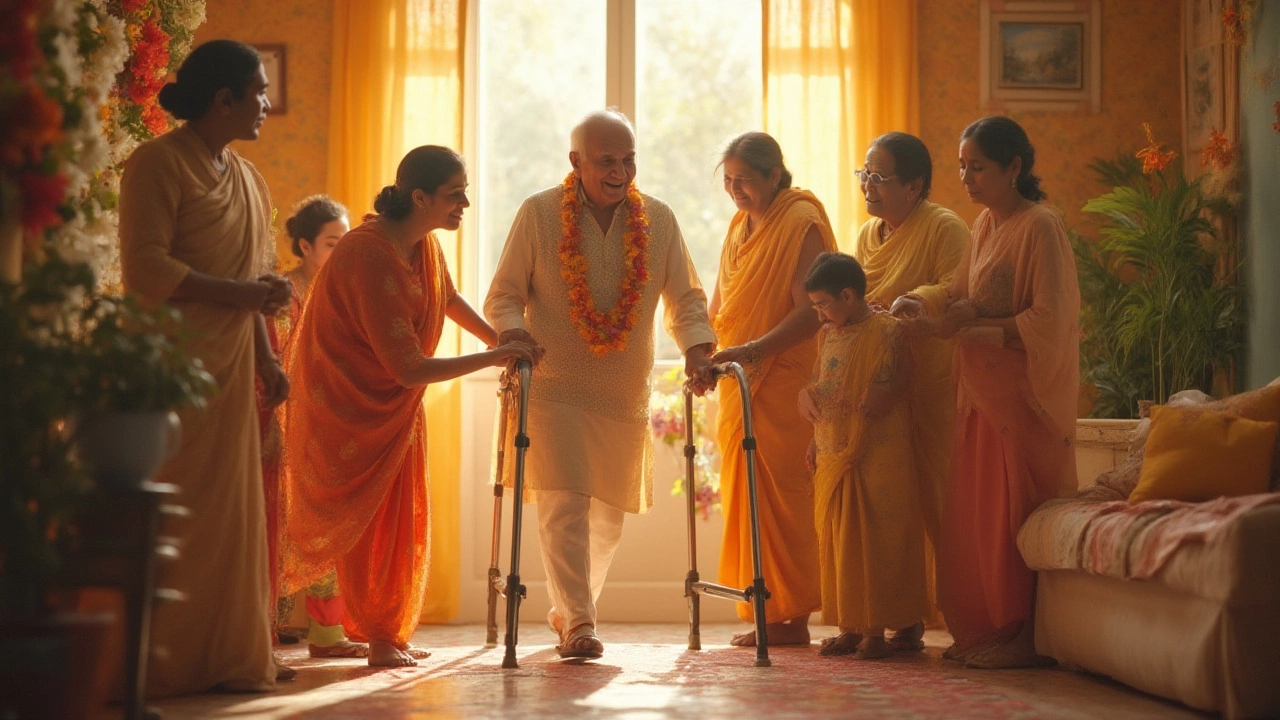
Do You Ever Fully Recover from Open-Heart Surgery? Long-Term Healing, Life, and Real Answers
Uncover the real journey of recovery after open-heart surgery—what comes back, what changes, and how to live your best life with a mended heart.