Long-Term Effects of Open Heart Surgery: What Happens After the Procedure
When you undergo open heart surgery, a major cardiac procedure where the chest is opened to access the heart. Also known as sternotomy, it’s often done to fix blocked arteries, replace valves, or correct congenital defects. But the surgery isn’t the end—it’s just the beginning of a long recovery that can shape your health for years to come.
The long-term effects, the physical and emotional changes that linger after the hospital stay vary widely. Some people feel better than they have in decades. Others deal with chronic fatigue, memory issues, or joint pain. Studies show that up to 30% of patients report brain fog or trouble concentrating six months after surgery. This isn’t just stress—it’s linked to tiny clots or reduced blood flow during the procedure. Your heart might be fixed, but your body is still catching up.
Then there’s the recovery process, the structured path of healing that includes physical rehab, diet changes, and medication management. Most people start walking within days, but full strength can take six months to a year. Cardiac rehab isn’t optional—it’s the difference between returning to normal life and staying stuck. People who stick with it cut their risk of another heart event by nearly half. And it’s not just about exercise. Diet matters. Sleep matters. Managing stress matters. If you’re still eating fried food or skipping meds because "you feel fine," you’re playing Russian roulette with your heart.
Some effects are physical, others invisible. Depression after heart surgery is common—more than 1 in 4 patients experience it. It’s not sadness. It’s a biological response to trauma, medication changes, and life disruption. Anxiety about another episode can keep you from returning to work, driving, or even having sex. These aren’t "just in your head." They’re real, treatable, and often overlooked by doctors focused only on the heart.
And then there’s the surgical scar, the lasting mark from the chest incision that can cause pain, numbness, or tightness for years. Some people feel it when they bend over, laugh hard, or sleep on their side. It’s not just cosmetic. That scar tissue can pull on muscles, limit movement, and even trigger nerve pain. Physical therapy can help, but only if you ask for it.
What you won’t hear from your surgeon? That your risk of needing another surgery in 10–15 years is real. Grafts fail. Valves wear out. Scar tissue builds up. The goal isn’t just to survive the procedure—it’s to outlast it. That means regular checkups, blood tests, and imaging scans. No more "I’m fine, let’s skip the appointment." Your heart doesn’t heal once and forget.
Some people bounce back faster than others. Age, fitness before surgery, and how well you follow your care plan all play a role. But the biggest factor? Your mindset. People who treat recovery like a lifestyle—not a chore—do better. They walk daily. They eat vegetables. They sleep. They talk about their fears. They don’t pretend everything’s fine.
Below, you’ll find real stories and facts from people who’ve been through this. Not just what happened right after surgery—but what happened five years later. The good. The bad. The unexpected. You’ll learn what to watch for, what to ignore, and what you can actually control to protect your heart for the long haul.
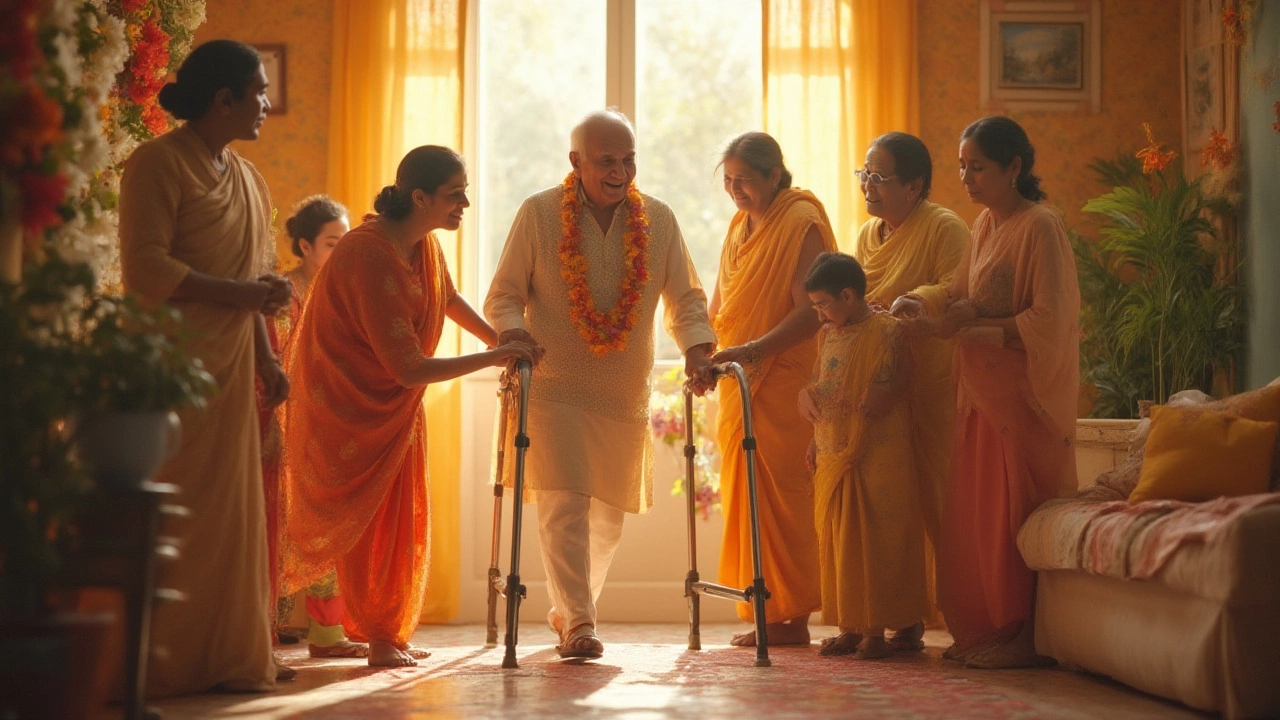
Do You Ever Fully Recover from Open-Heart Surgery? Long-Term Healing, Life, and Real Answers
Uncover the real journey of recovery after open-heart surgery—what comes back, what changes, and how to live your best life with a mended heart.