IVF Side Effects: What Really Happens During Fertility Treatment
When you start IVF, in vitro fertilization, a medical process where eggs are fertilized outside the body and implanted into the uterus. Also known as fertility treatment, it’s one of the most common ways people in India build families when natural conception doesn’t work. But it’s not just about hope—it’s also about what your body goes through. Many assume IVF is a simple shot and wait game. It’s not. The process triggers real, sometimes intense, physical and emotional changes. From bloating and mood swings to rare but serious risks like ovarian hyperstimulation syndrome, the side effects are real—and you deserve to know them before you begin.
The hormone injections, daily shots of follicle-stimulating hormone (FSH) and luteinizing hormone (LH) to boost egg production are often the first big hurdle. These aren’t like taking a pill. They can cause tender breasts, headaches, nausea, and sharp pains in the lower abdomen. Some women feel like they’re carrying a water balloon. Others barely notice. It depends on your body, your age, and how your ovaries respond. Then comes the egg retrieval—minor surgery under sedation. You’ll likely feel sore, crampy, and tired for a few days after. And after the embryo transfer, the procedure where one or more embryos are placed into the uterus, many worry about bleeding, spotting, or cramping. These are common, but not always signs of success—or failure. The emotional rollercoaster is just as real. Waiting 10–14 days for a pregnancy test feels like standing on a tightrope. Anxiety spikes. Sleep disappears. Relationships stretch thin. You’re not alone if you feel overwhelmed.
What most clinics don’t tell you upfront is that side effects don’t end with the transfer. Some women deal with lingering fatigue for weeks. Others notice changes in their skin, hair, or appetite that last beyond the cycle. And while the risk of multiples or ectopic pregnancy is low, it’s not zero. The good news? Most side effects are temporary. With the right support, rest, and honest conversations with your doctor, you can manage them. You don’t have to suffer in silence. This collection of articles pulls from real experiences and medical insights to help you understand what’s normal, what’s not, and how to prepare—so you’re not caught off guard when your body reacts.
Below, you’ll find practical guides on what to expect during each stage of IVF, how to spot warning signs, what to eat to reduce discomfort, and how others have handled the emotional toll. No sugarcoating. Just clear, real talk from people who’ve been there—and the doctors who’ve seen it all.
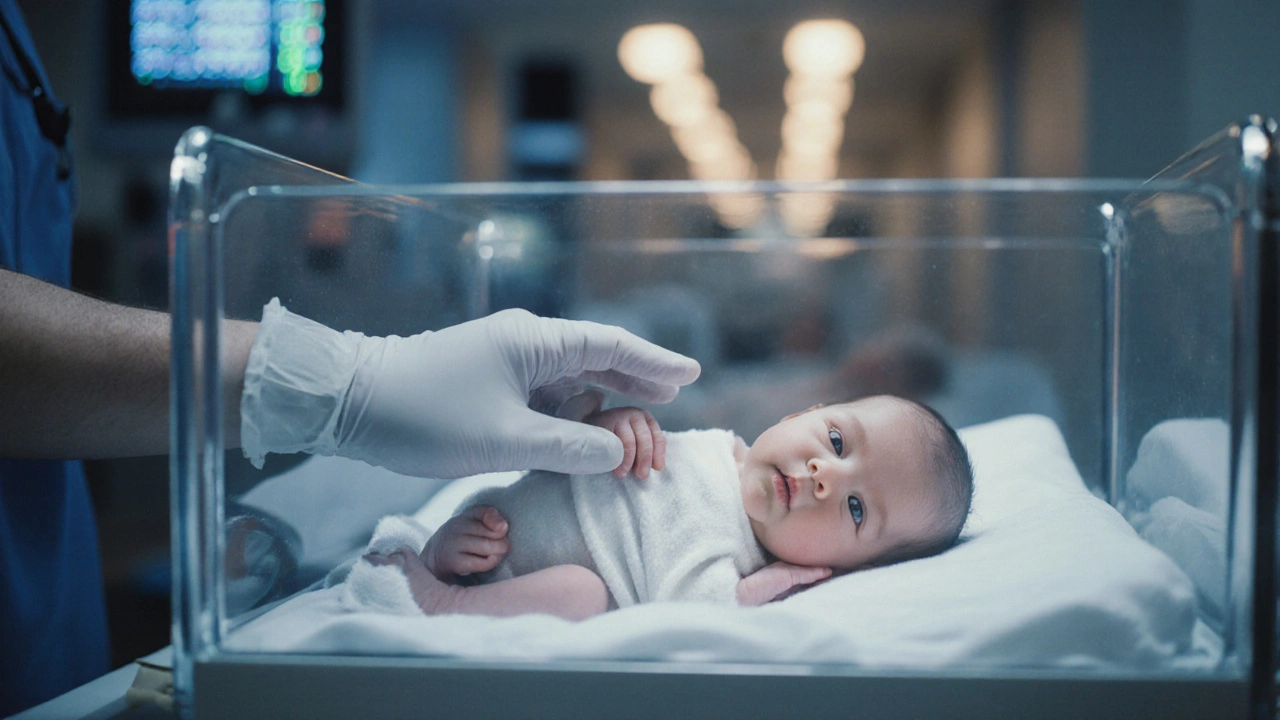
What Are the Real Negative Consequences of IVF Children?
IVF children face slightly higher risks of preterm birth, low birth weight, and minor developmental delays, but most grow up healthy. Long-term health risks are small and often tied to underlying infertility, not the procedure itself.

Why IVF May Not Be the Best Choice: Risks, Realities, and Alternatives Explained
Find out why IVF isn't always recommended. Get the facts on risks, side effects, success rates, costs, and better alternatives to help with fertility.