IVF Pregnancy Complications: What You Need to Know Before and After
When you undergo IVF pregnancy, a fertility treatment where eggs are fertilized outside the body and implanted into the uterus. Also known as in vitro fertilization, it’s one of the most common ways people in India build families when natural conception isn’t working. But a successful embryo transfer doesn’t mean the journey is over—IVF pregnancy complications can show up, and knowing what to watch for makes all the difference.
One of the biggest concerns is multiple pregnancy, when more than one embryo implants and develops. This happens more often with IVF because doctors sometimes transfer multiple embryos to increase success rates. Twins or triplets mean higher risks for preterm birth, low birth weight, and preeclampsia. In India, where access to neonatal care varies, this isn’t just a medical issue—it’s a real-life challenge for families. Another serious risk is ovarian hyperstimulation syndrome (OHSS), a reaction to the hormones used to stimulate egg production. Symptoms like bloating, nausea, and rapid weight gain can start right after egg retrieval and worsen after pregnancy begins. Most cases are mild, but severe OHSS can lead to kidney failure or blood clots, and it’s something your doctor should monitor closely.
Then there’s ectopic pregnancy, when the embryo implants outside the uterus, usually in a fallopian tube. Even though IVF places the embryo directly into the uterus, it can still migrate back into the tube. This is rare—about 2-5% of IVF pregnancies—but it’s dangerous. If you have sharp pelvic pain or vaginal bleeding early on, don’t wait. Get checked immediately. Other complications like gestational diabetes, high blood pressure, and placental problems also show up more often in IVF pregnancies than in natural ones. Why? It’s not just the treatment—it’s often that people pursuing IVF are older, have underlying health conditions, or have been trying for years, which adds stress to the body.
What you won’t find in most brochures? The emotional toll. IVF pregnancy complications don’t just affect your body—they shake your confidence. You’ve already been through hormone shots, needle pricks, and waiting. Now you’re told your pregnancy might be high-risk. That’s heavy. But you’re not alone. Many women in India go through this, and knowing the signs, asking the right questions, and sticking to your follow-up schedule can turn fear into control.
Below, you’ll find real stories and facts from people who’ve been there. From how to spot early warning signs to what doctors in Mumbai, Delhi, and Bangalore actually recommend when things get complicated—you’ll get clear, no-fluff advice that’s grounded in what works.
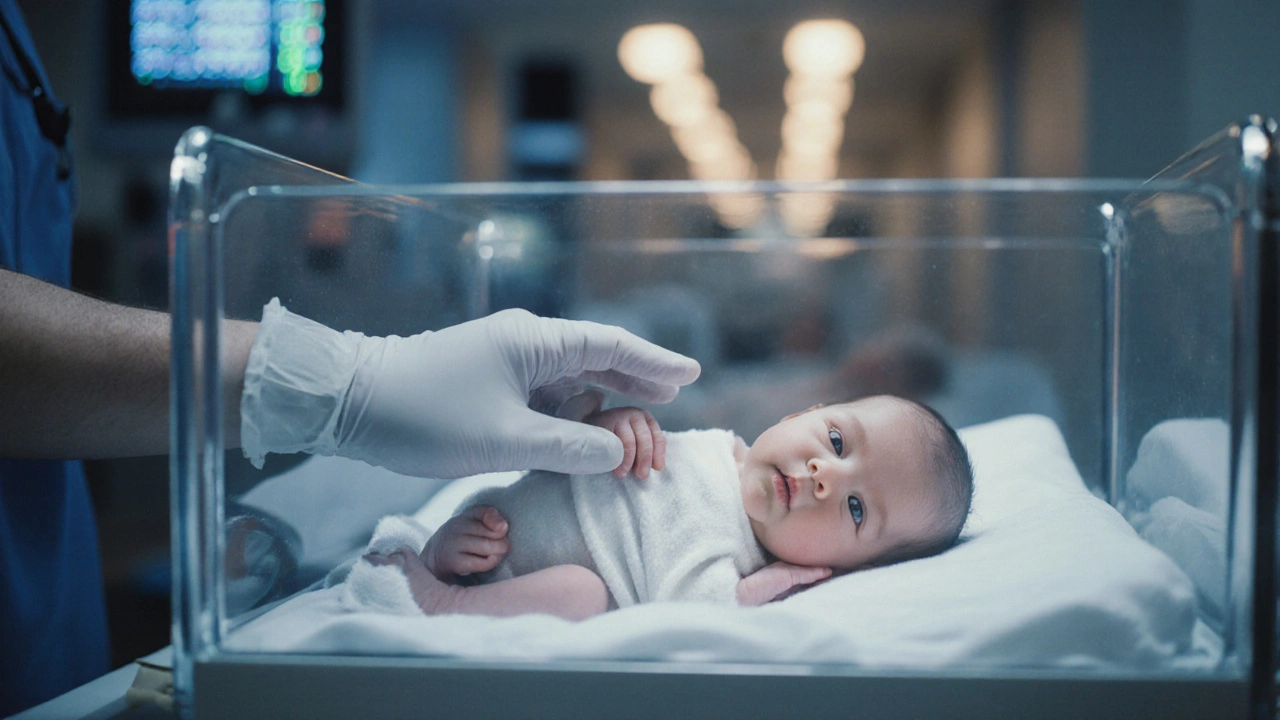
What Are the Real Negative Consequences of IVF Children?
IVF children face slightly higher risks of preterm birth, low birth weight, and minor developmental delays, but most grow up healthy. Long-term health risks are small and often tied to underlying infertility, not the procedure itself.