Heart Surgery Healing Timeline: What to Expect After Open-Heart Surgery
When you or someone you love undergoes heart surgery, a surgical procedure to repair or replace damaged heart tissue, often involving opening the chest to access the heart. Also known as open-heart surgery, it’s not a quick fix—it’s a major life event that demands patience, planning, and real-time adjustments. The heart surgery healing timeline isn’t the same for everyone. It depends on your age, overall health, the type of surgery, and how well you follow recovery steps. But most people follow a similar path: days in the hospital, weeks of rest at home, and months before feeling like themselves again.
After surgery, your sternotomy, the cut made down the center of the chest to open the rib cage. Also known as median sternotomy, it’s the most common approach for bypass and valve surgeries needs time to heal. Your breastbone is sawed open and held together with wires. Those wires stay in forever, but the bone takes about 6 to 8 weeks to fuse back together. That’s why lifting anything heavier than 5 pounds is off-limits for months. You can’t rush this. Pushing too hard too soon can lead to complications like sternal dehiscence—where the bone separates again. And yes, it’s as scary as it sounds.
Then there’s cardiac rehabilitation, a structured program that includes monitored exercise, education, and counseling to help you recover safely after heart surgery. Also known as cardiac rehab, it’s not optional—it’s your best shot at getting back to normal without another hospital visit. Most hospitals in India offer this, and insurance often covers it. It starts as gentle walking in the hospital, then moves to cycling, light weights, and breathing exercises. By week 6, many people are doing 30 minutes of daily activity. By 3 months, most are back to driving, working, and even light gardening. But skipping rehab? That’s like skipping the manual after assembling a complex machine—you might get it running, but it won’t last.
Don’t ignore the mental side either. Depression and anxiety after heart surgery are common—more than 1 in 3 patients experience it. It’s not weakness. It’s your body’s response to trauma, pain meds, and the shock of facing your own mortality. Talking to someone—a counselor, a support group, even a trusted friend—makes a bigger difference than most people realize.
Some people bounce back in 2 months. Others take 6. It’s not about being strong or weak. It’s about listening. If your chest still aches when you sneeze at week 10, that’s normal. If you’re dizzy when you stand up, slow down. If you’re not sleeping because you’re scared your heart will stop, call your doctor. You’re not alone in this.
The posts below cover exactly what you need to know: who shouldn’t have heart surgery, what happens to your ribs during the procedure, how to avoid complications, and what alternatives exist if surgery isn’t right for you. No fluff. Just real stories, real timelines, and real advice from people who’ve been through it—and doctors who’ve seen it all.
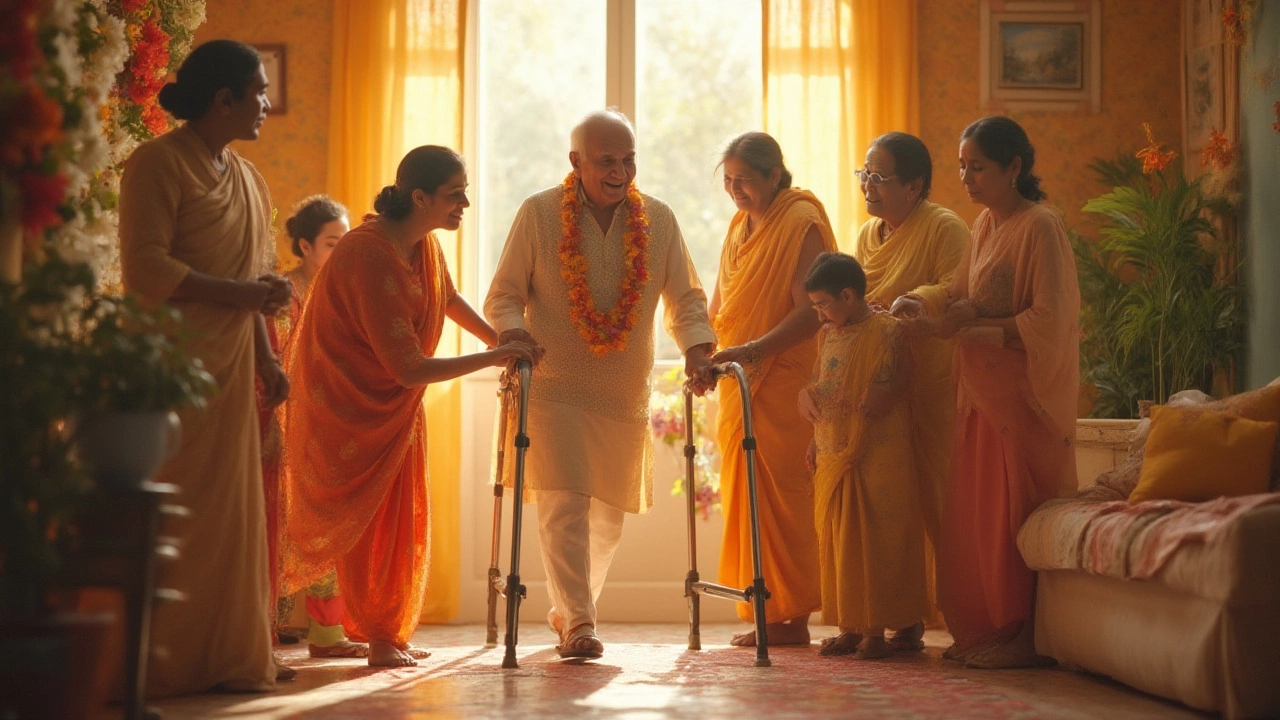
Do You Ever Fully Recover from Open-Heart Surgery? Long-Term Healing, Life, and Real Answers
Uncover the real journey of recovery after open-heart surgery—what comes back, what changes, and how to live your best life with a mended heart.