First Visit: What to Expect at Your First Doctor Appointment in India
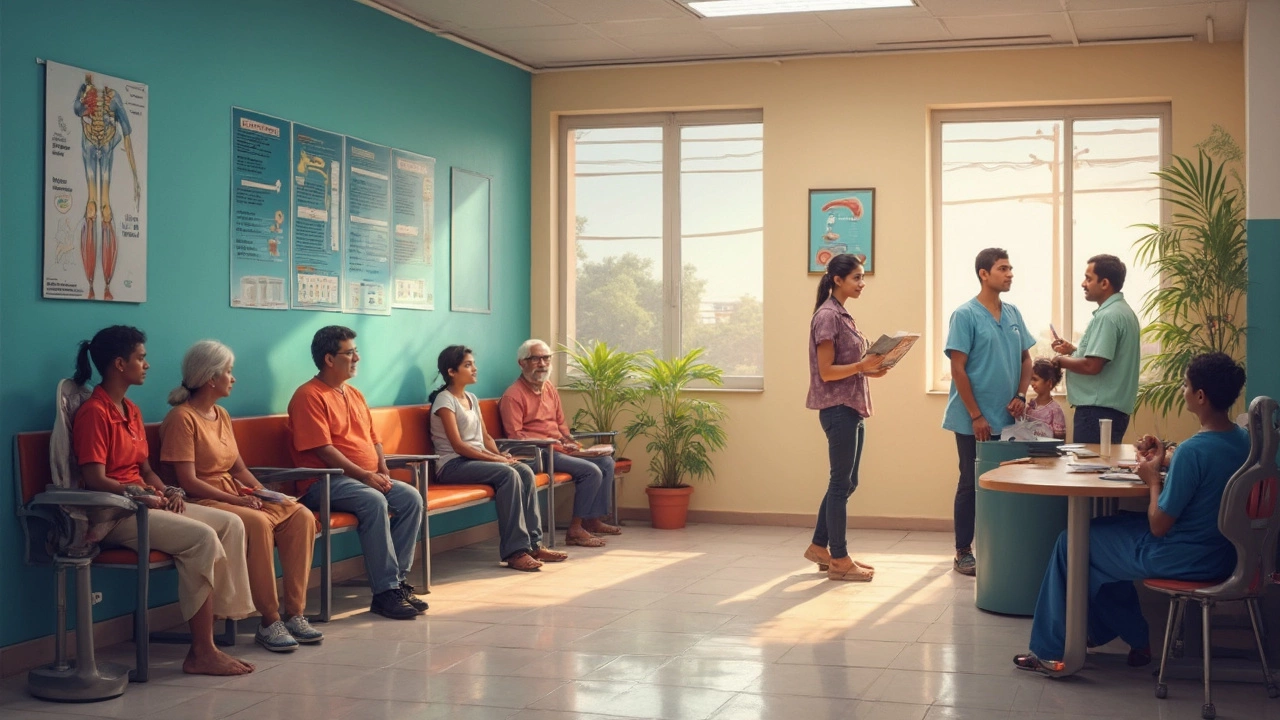
When you make your first visit, the initial meeting with a healthcare provider to assess symptoms, diagnose conditions, or start treatment. Also known as an initial consultation, it sets the tone for your entire healthcare journey. Many people in India feel nervous or unsure about what happens next—especially if it’s their first time seeing a doctor for a serious issue. But a first visit isn’t about impressing anyone. It’s about getting answers, not panic.
Your doctor doesn’t expect you to know medical terms. They want to know what’s wrong, how long it’s been going on, and how it’s affecting your daily life. Did you skip meals because of stomach pain? Can you walk to the market without getting out of breath? These details matter more than any lab report. The initial consultation, the first structured interaction between patient and provider to gather medical history and begin diagnosis is where trust starts. It’s not a test. It’s a conversation.
What you bring makes a big difference. A list of all medicines you take—even the herbal ones. Your past medical records if you have them. A note of your symptoms: when they started, what makes them better or worse. If you’re seeing a specialist, like an orthopedic doctor for knee pain or a cardiologist after a family heart attack, write down your family history too. Many people forget this, but healthcare in India, the system of medical services, traditional practices, and modern clinics serving the Indian population often relies on clues from your background. A doctor in Bangalore might ask about your diet because of rising diabetes rates. A doctor in Delhi might ask about air pollution because of asthma patterns. They’re not guessing—they’re connecting dots.
You’ll likely wait longer than you expect. That’s normal. But don’t rush your answers just because you’re tired of sitting. Take your time. If you’re not sure how to explain your pain, say so. Say, "I don’t know how to describe it," and your doctor will help you. They’ve heard it all before. The patient preparation, the actions a person takes before a medical visit to ensure effective communication and better outcomes you do now—writing down symptoms, bringing records, asking questions—can save you from unnecessary tests, wrong prescriptions, or months of confusion.
Some first visits lead to immediate treatment. Others lead to more tests. That’s okay. A good doctor won’t rush to a diagnosis. They’ll ask follow-up questions. They might say, "Let’s rule out a few things first." That’s not indecision—that’s care. In India, where access to specialists can be limited, making your first visit count matters more than ever. You’re not just checking a box. You’re starting a relationship with someone who can help you stay healthy for years.
What comes next in the posts below? Real stories from people who went through their first visit—what they wished they knew, what surprised them, and how they avoided common mistakes. You’ll find advice on talking to doctors about mental health, preparing for a cardiac checkup, understanding Ayurvedic consultations, and what to do if you’re told you need surgery. No fluff. Just what works for real people in India.
Orthopedic Surgeon First Visit: What Really Happens at the Hospital
Wondering what the first visit to an orthopedic surgeon is like? This article breaks down exactly what happens, from the questions you'll answer to the tests you might get. Find out what you should bring, how to prepare, and what you can expect before, during, and after your appointment. Whether you're dealing with a sports injury or joint pain, you'll walk in ready and less anxious. No confusing medical jargon—just everything you need to know.