Curcumin: What It Is, How It Works, and Why It Matters in Indian Medicine
When you think of turmeric, you might picture golden curry or a stain on your kitchen counter. But the real magic lies in curcumin, the main active compound in turmeric root that gives it its color and powerful health effects. Also known as diferuloylmethane, curcumin is what turns a simple spice into one of the most studied natural substances in modern medicine. It’s not just a flavor. It’s a biological tool—used for thousands of years in Ayurveda and now backed by hundreds of clinical studies.
Curcumin works by targeting inflammation at the molecular level. Unlike painkillers that just block signals, it goes after the root cause—reducing inflammatory molecules like cytokines and COX-2 enzymes. This is why people in India have used turmeric paste on wounds, swollen joints, and even skin rashes for generations. Today, science confirms it helps with arthritis, digestive issues, and even brain health. It’s not a miracle cure, but it’s one of the few natural substances with real, measurable effects on chronic conditions. And it’s safe when used the right way.
Curcumin doesn’t work alone. Its power grows when paired with black pepper (piperine), which boosts absorption by up to 2,000%. That’s why traditional Indian remedies always mix turmeric with a pinch of pepper. It’s not tradition for tradition’s sake—it’s smart biology. And while you can buy curcumin pills, getting it from whole turmeric in food or tea gives you a full spectrum of compounds that work together. This matters because supplements often isolate one piece of the puzzle, while food gives you the whole system.
What you’ll find below are real stories and facts from people who’ve used curcumin to manage pain, reduce swelling, and support their health without drugs. Some of these posts talk about how curcumin fits into Ayurvedic routines. Others compare it to modern painkillers. A few even show how it stacks up against expensive supplements. There’s no fluff here—just what works, what doesn’t, and what to watch out for if you’re thinking about trying it.
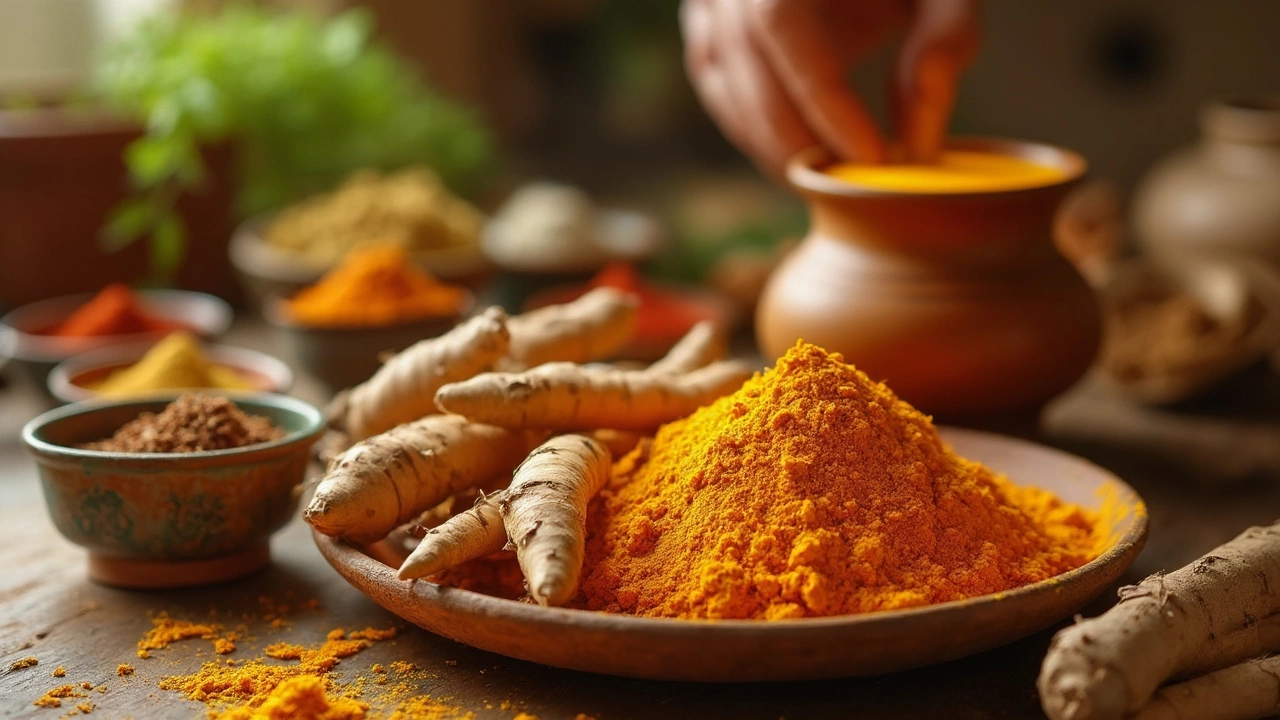
Turmeric: The #1 Herb for Inflammation Relief
Turmeric is widely recognized as the top herb for fighting inflammation. This article breaks down why turmeric stands out, how it works in your body, and ways you can add it to your daily routine. Find out what makes curcumin, a compound in turmeric, so powerful and what science says about its effectiveness. Plus, get tips for choosing the right turmeric supplement and making the most of its benefits. Practical advice and backed-up facts make inflammation management simple and clear.