Cardiac Arrest: What It Is, What Causes It, and What You Can Do
When your heart suddenly stops beating, it’s called cardiac arrest, a life-threatening condition where the heart’s electrical system fails, causing it to stop pumping blood. Also known as sudden cardiac arrest, it kills more than 200,000 people in India every year—often without warning. This isn’t the same as a heart attack, where blood flow to the heart is blocked. In cardiac arrest, the heart just quits. No pulse. No breathing. No time to wait.
Most cardiac arrests happen because of a problem with the heart’s rhythm—like ventricular fibrillation, where the lower chambers quiver instead of pumping. But triggers are often simple: undiagnosed heart disease, extreme stress, intense exercise in someone with hidden heart issues, or even a strong electric shock. People with diabetes, high blood pressure, or a family history of sudden death are at higher risk. And here’s the scary part: nearly 70% of cardiac arrests happen at home, where no one knows what to do.
That’s where CPR, the chest compressions and rescue breaths that keep blood flowing until help arrives. Also known as cardiopulmonary resuscitation, it’s not just for doctors—it’s for anyone. Studies show that if someone starts CPR right away, survival chances jump by two to three times. And if a defibrillator, a device that shocks the heart back into rhythm. Also known as AED or automated external defibrillator, is used within three minutes, survival can be over 70%. You don’t need a medical degree. You just need to know how to push hard and fast on the center of the chest.
Cardiac arrest doesn’t care if you’re young or old, fit or out of shape. It can strike during a morning jog, while watching TV, or even after a heavy meal. But the good news? You can change the outcome. Learn CPR. Know where the nearest defibrillator is—in your office, gym, or mall. Talk to your family about heart risks. These aren’t just facts—they’re tools that could bring someone back from the edge.
Below, you’ll find real stories and practical guides from people who’ve faced heart emergencies—what worked, what didn’t, and how to prepare before it’s too late. Whether you’re worried about a parent’s health, training for a job, or just want to be ready, these posts give you the clear, no-nonsense advice you need.
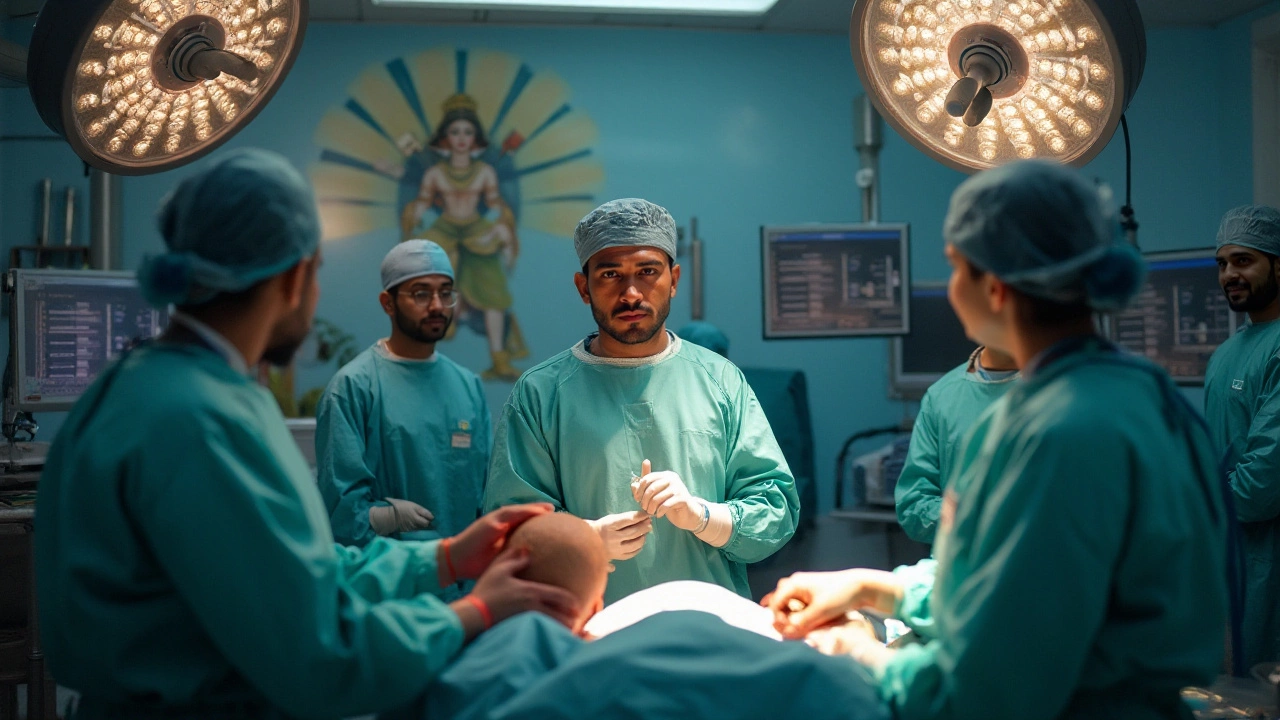
What Happens When Your Heart Stops During Surgery?
When undergoing surgery, one of the most critical things to understand is the risk of cardiac arrest, where the heart might stop beating. In such moments, the surgical team leaps into action, using various procedures and equipment to revive the heart quickly. From CPR to the use of defibrillators, the aim is always to restore circulation and ensure the patient's safety. Knowing what happens during such crucial moments can provide some peace of mind when facing surgery. Ultimately, it's a team's skill and preparedness that transform a heart-stopping event into a life-saving opportunity.