Biological Mother
When we talk about a biological mother, the woman who provides the egg and carries the pregnancy to term. Also known as a genetic parent, she’s the one whose DNA is passed directly to the child—no matter how the pregnancy happened, whether naturally, through IVF, or with donor help. This isn’t just a medical term. It’s a layer of identity that shows up in legal documents, family stories, and sometimes, deep emotional questions.
Not every mother who raises a child is the biological mother. A surrogate mother, a woman who carries a baby for someone else, often using an embryo created from another woman’s egg and the father’s sperm may give birth, but she’s not the biological mother unless she also provided the egg. On the other hand, an adoptive mother, a woman who legally becomes a child’s parent after birth may never have carried the child, but she’s the mother in every way that matters day to day. These distinctions matter in India, where IVF is growing fast, surrogacy laws are changing, and family structures are evolving.
People often confuse biological motherhood with emotional motherhood. But they’re not the same. A woman who gives birth using a donor egg isn’t the genetic mother, but she’s still the one who carried the baby, gave birth, and raised it. That’s real motherhood too. And in cases where a child is born through IVF using a donor egg and a surrogate, you can have three women involved: the egg donor, the surrogate, and the legal mother who raises the child. Each plays a different role. The biological mother is only one part of that chain.
Why does this even matter? Because it affects legal rights, inheritance, medical history, and even how a child understands their origins. In India, where many families use IVF to overcome infertility, knowing who the biological mother is helps doctors assess genetic risks. It also helps parents decide when and how to tell their child about their beginnings. Some families share this early. Others wait until the child is older. There’s no right answer—but there’s a difference between silence and secrecy.
And it’s not just about IVF. Even in natural pregnancies, complications like miscarriage or adoption can shift the meaning of biological motherhood. A woman who lost a pregnancy may still feel like a biological mother. A woman who gave a child up for adoption may carry that identity for life. These aren’t just medical labels—they’re personal truths.
What you’ll find below are real stories and facts about how biological motherhood shows up in modern Indian healthcare—from IVF success rates and genetic testing to surrogacy laws and emotional journeys. Whether you’re considering fertility treatment, navigating adoption, or just trying to understand your own family history, these posts give you clear, no-fluff answers. No theory. Just what people are actually facing, asking, and dealing with right now.
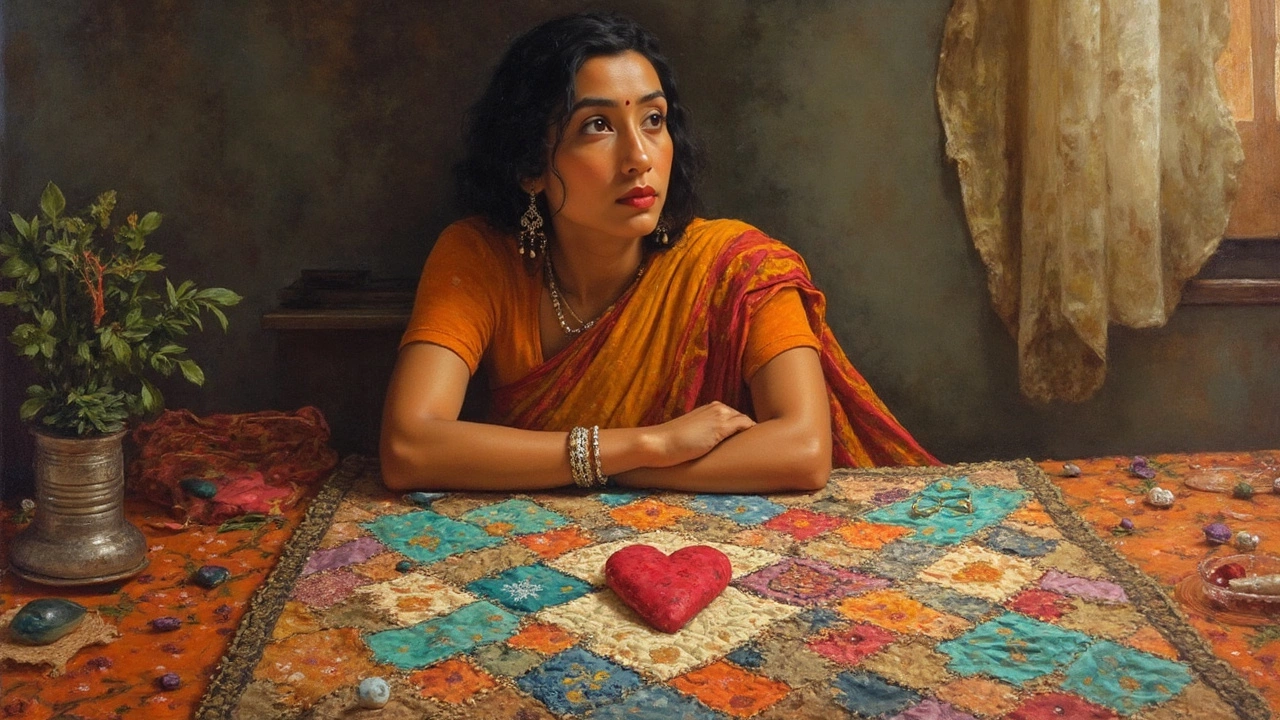
Who's the Real Mom of a Donor Egg Baby?
In the world of IVF, the question of who the 'real' mother is of a donor egg baby sparks intriguing discussions. Is it the woman who donates the egg or the one who carries and nurtures the baby during pregnancy? This article dives into the definitions and roles of genetic, gestational, and intended mothers, exploring the legal and emotional perspectives each might have. It's a complex blend of science and heart, where the lines of motherhood are beautifully unique for every family.