
Rapid Weight Loss Planner
Enter your current stats to see how many calories you need to cut and how much protein to eat to drop 20 lbs in a realistic timeframe.
You want to drop 20 pounds. Maybe it’s for a wedding next month, maybe your doctor just gave you a stern look during your check-up, or maybe you’re just tired of feeling sluggish after lunch. Whatever the reason, the desire is real. But here’s the hard truth nobody likes to hear: most "fast" weight loss plans are either dangerous, unsustainable, or both. If you crash-diet on celery sticks and water, you might lose 10 pounds in two weeks, but you’ll likely gain back 15 when you eat a normal meal.
So, how do you actually drop 20 pounds fast without wrecking your metabolism or your mood? It comes down to math, biology, and a little bit of psychology. You don’t need magic pills. You need a strategy that creates a significant calorie deficit while keeping your muscle mass intact. Let’s break down exactly how to do this safely and effectively.
The Math Behind Losing 20 Pounds Quickly
Let’s get the numbers straight before we talk about food. One pound of body fat contains roughly 3,500 calories. To lose one pound per week-the standard safe recommendation-you need a deficit of 500 calories per day. That means dropping 20 pounds at a "safe" pace would take you 20 weeks, or nearly five months. For many people, that feels too slow.
To drop 20 pounds faster, say in 8 to 12 weeks, you need to increase that daily deficit to 1,000-1,250 calories. Is that possible? Yes. But it requires strict adherence. You can’t just "eat less." You have to be strategic. If you try to cut 2,000 calories a day, you’re probably going to end up on the couch because you’ll have zero energy. The sweet spot for rapid but sustainable loss is usually around 1% of your total body weight per week. If you weigh 200 pounds, losing 2 pounds a week is aggressive but doable. If you weigh 150 pounds, aiming for 2 pounds a week is much harder and risks muscle loss.
Nutrition: What to Eat (and What to Avoid)
Food is 80% of this battle. You cannot out-exercise a bad diet. When you’re trying to lose weight quickly, every calorie counts, which means nutrient density matters more than ever. You need foods that keep you full but pack fewer calories.
| Instead of... | Eat This... | Why It Works |
|---|---|---|
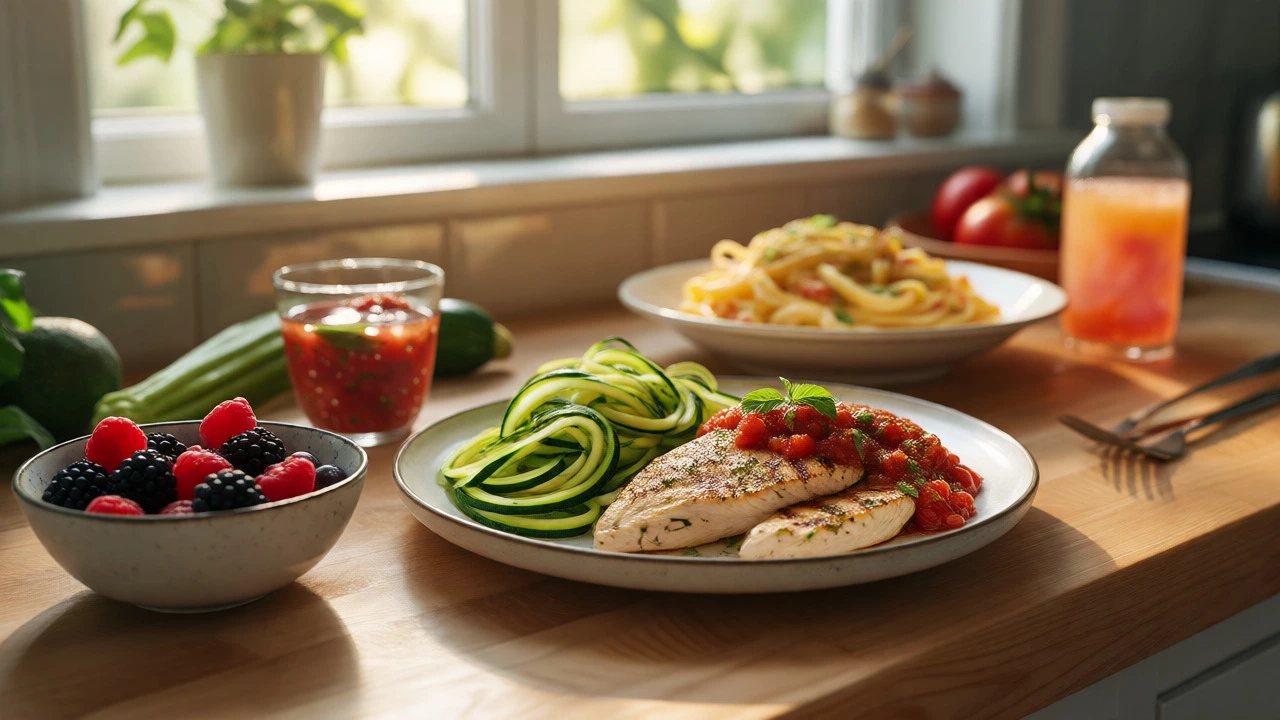
| Creamy Pasta Sauce | Zucchini Noodles with Marinara | Saves ~400 calories per meal; high fiber keeps you full. |
| Fruit Juice | Whole Berries + Water | Juice spikes insulin; whole fruit provides satiety via fiber. |
| Breaded Chicken | Grilled Chicken Breast | Removes empty carbs and frying oils; higher protein ratio. |
| Mixed Salad Dressing | Lemon Juice + Vinegar | Dressings often hide 150+ calories per serving. |
Protein is your best friend when cutting calories. It has a high thermic effect, meaning your body burns more calories digesting protein than fats or carbs. Aim for 0.7 to 1 gram of protein per pound of goal body weight. If your goal is 160 pounds, aim for 110-160 grams of protein daily. This protects your muscles from being broken down for energy.
Carbs aren’t evil, but they hold water. Every gram of carbohydrate stored as glycogen holds onto 3-4 grams of water. If you cut refined carbs (sugar, white bread, pasta) drastically for the first two weeks, you might see the scale drop 5-8 pounds instantly. Don’t panic-most of that is water weight. But it helps kickstart momentum. After the initial flush, reintroduce complex carbs like oats, quinoa, or sweet potatoes around your workout times to fuel performance.
Movement: Training for Fat Loss, Not Just Calorie Burn
Most people make the mistake of doing hours of cardio to lose weight. While running burns calories, excessive steady-state cardio can increase cortisol (the stress hormone), which may cause your body to hold onto belly fat. Plus, if you run 5 miles but then reward yourself with a large smoothie, you’ve undone your work.
Instead, prioritize strength training. Lifting weights tells your body, "We need these muscles; don't burn them for fuel." Muscle tissue is metabolically active, meaning it burns more calories at rest than fat tissue does. Try to hit the gym 3-4 times a week focusing on compound movements:
- Squats: Engages legs, glutes, and core.
- Deadlifts: Hits the entire posterior chain.
- Bench Press/Push-ups: Builds upper body strength.
- Rows: Improves posture and back strength.
Add High-Intensity Interval Training (HIIT) twice a week. Twenty minutes of HIIT can boost your metabolism for hours after the workout finishes-a phenomenon known as EPOC (Excess Post-exercise Oxygen Consumption). Think sprinting for 30 seconds, walking for 60 seconds, repeated ten times. It’s brutal, but efficient.
The Hidden Saboteurs: Sleep and Stress
You can eat perfectly and lift heavy, but if you’re sleeping four hours a night, you won’t lose weight efficiently. Lack of sleep disrupts two key hormones: ghrelin (which makes you hungry) and leptin (which signals fullness). When you’re tired, ghrelin goes up, and leptin goes down. You literally feel hungrier and less satisfied by food.
Aim for 7-9 hours of quality sleep. This isn’t optional luxury; it’s biological necessity for fat loss. During deep sleep, your body repairs tissues and regulates insulin sensitivity. If you’re stressed, your cortisol levels remain elevated, which encourages fat storage specifically in the abdominal area. Find ways to decompress-walking, reading, meditation-because stress management is part of the weight loss equation.
When to Consider Professional Help
If you’ve tried lifestyle changes for six months with no results, or if you have underlying health conditions like PCOS, hypothyroidism, or insulin resistance, you might need more than just willpower. This is where weight loss clinics come into play. They offer medical supervision, prescription medications like GLP-1 agonists (e.g., Semaglutide or Tirzepatide), and personalized dietary planning.
These treatments aren’t shortcuts-they’re tools that help regulate appetite and blood sugar so you can stick to your diet. However, they work best when combined with the behavioral changes mentioned above. Without changing habits, the weight returns once you stop the medication.

A Sample Day for Rapid Weight Loss
Here’s what a typical day looks like for someone aiming to drop 20 pounds fast:
- Breakfast (8:00 AM): Scrambled eggs with spinach and mushrooms. Black coffee. (~300 calories)
- Lunch (1:00 PM): Large salad with grilled chicken breast, cucumber, tomatoes, and olive oil vinaigrette. (~450 calories)
- Snack (4:30 PM): Greek yogurt with a handful of almonds. (~200 calories)
- Dinner (7:30 PM): Baked salmon with steamed broccoli and half a cup of quinoa. (~500 calories)
- Total: ~1,450 calories. High protein, moderate fat, low refined carbs.
Notice there’s no snacking after dinner. Intermittent fasting (eating within an 8-hour window) can help some people control late-night cravings, but only if it doesn’t lead to bingeing during eating windows.
Common Pitfalls to Avoid
Don’t drink your calories. Sodas, fancy coffees, and alcohol are empty calories that don’t fill you up. A single glass of wine has about 120 calories; three glasses add up to a meal. Swap them for sparkling water with lime.
Don’t rely solely on the scale. Your weight fluctuates daily due to hydration, salt intake, and hormonal cycles. Weigh yourself weekly, not daily, and track progress with photos and measurements. You might lose inches even if the number stays the same, especially if you’re building muscle.
Finally, don’t be too rigid. If you go 100% strict, you’ll eventually crack. Allow one "flexible" meal a week-not a cheat day, but a planned indulgence. This keeps your sanity intact and prevents the psychological backlash of deprivation.
Is it safe to lose 20 pounds in 2 months?
For most overweight individuals, yes. Losing 2.5 pounds per week is considered aggressive but generally safe if done with adequate protein and micronutrients. However, consult a doctor if you have heart issues or other medical conditions.
Do I need to count calories to lose weight fast?
Not necessarily, but it helps initially. Tracking intake for 2-4 weeks teaches you portion sizes. Once you understand what 1,500 calories looks like, you can estimate visually and maintain the habit without constant logging.
Will I loose skin if I drop 20 pounds quickly?
It depends on age, genetics, and how long you carried the weight. Staying hydrated and maintaining muscle mass through strength training can help skin retract better. Gradual loss is easier on skin elasticity, but rapid loss rarely causes severe sagging for a 20-pound drop unless you were previously very obese.
What supplements actually help with weight loss?
Very few. Caffeine can slightly boost metabolism and energy for workouts. Protein powder helps meet protein goals conveniently. Most "fat burner" pills are marketing hype with minimal clinical evidence. Focus on whole foods first.
Can I lose weight without exercise?
Yes, diet drives weight loss. You can lose 20 pounds purely through caloric restriction. However, exercise improves body composition (more muscle, less fat), boosts mood, and helps maintain the weight loss long-term.