
IVF Eligibility Path Finder
Select the factor that applies to your situation to see how it impacts your IVF path and what alternatives may exist.
Educational ToolAnalysis
Most people think you're only disqualified if you have a terminal illness, but the reality is more nuanced. Doctors look at "contraindications"-factors that make a treatment either dangerous for the person or almost certain to fail. While few things are absolute deal-breakers, many factors can lead a clinic to suggest a different route or decline treatment altogether.
Quick Summary: Why IVF Might Not Be an Option
- Critical Health Risks: Severe heart or lung conditions that make pregnancy life-threatening.
- Age-Related Success Rates: Extremely low ovarian reserve or advanced maternal age where success drops below 1-5%.
- Uterine Factors: Structural issues like a non-functioning uterus or severe scarring.
- Medical Instability: Uncontrolled chronic diseases like severe diabetes or kidney failure.
- Psychological Readiness: Severe untreated mental health crises that could jeopardize the safety of the mother or child.
The Medical Red Flags: When Your Body Says No
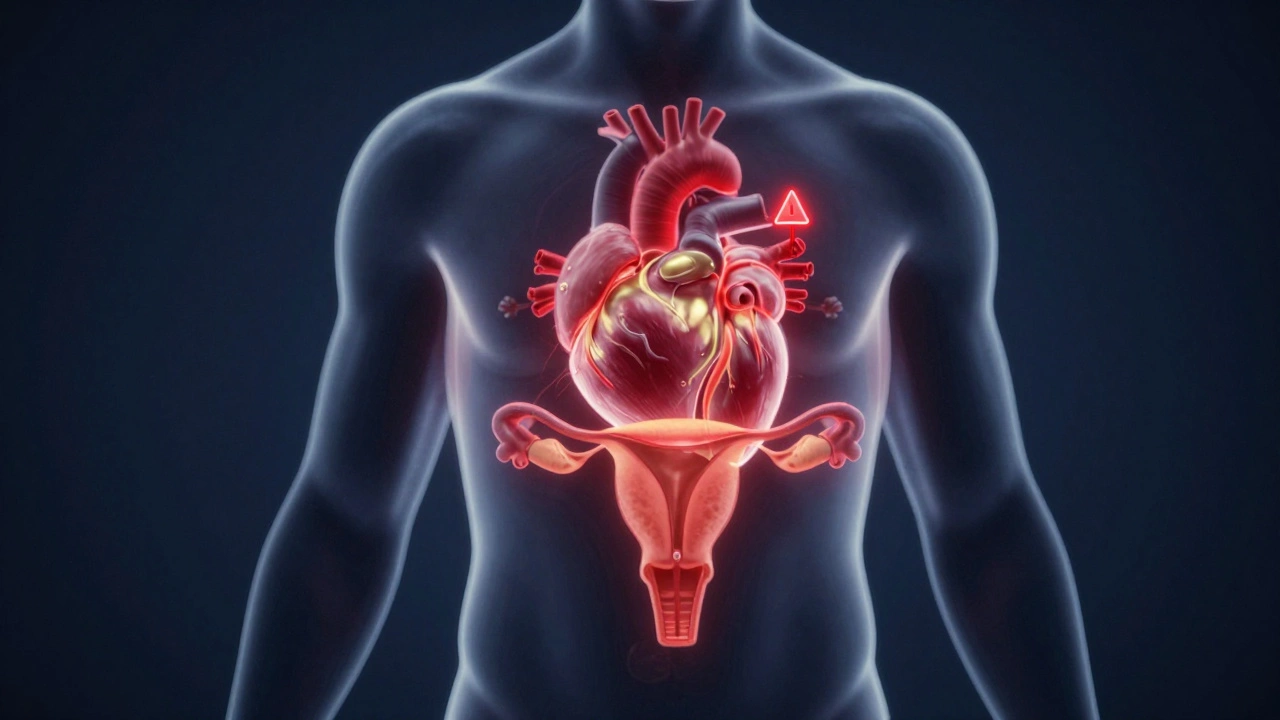
The biggest concern for any doctor is your safety. Pregnancy and the hormones used in IVF put a massive strain on the cardiovascular system. If you have an unstable heart condition-such as severe heart failure or a recent major cardiac event-the risk of a stroke or heart attack during pregnancy might outweigh the benefit of the treatment.
Another critical point is OHSS , or Ovarian Hyperstimulation Syndrome. This happens when the ovaries overreact to the stimulation drugs. If a patient has a history of severe OHSS or a specific medical predisposition, some clinics may be hesitant to use traditional stimulation protocols, though "freeze-all" cycles often mitigate this risk.
Chronic illnesses can also play a role. For instance, if someone has stage 4 kidney disease or uncontrolled Diabetes Mellitus with high HbA1c levels, the risk of preeclampsia or fetal anomalies skyrockets. Doctors won't disqualify you permanently, but they will insist on stabilizing these conditions first. You can't build a house on a shaky foundation; similarly, you can't start a pregnancy if your vital organs are struggling to function.
The Age Factor and Ovarian Reserve
Is there a hard age limit? Legally, in many places, no. But clinically, there is a "point of diminishing returns." As women age, the quality and quantity of eggs drop. When a woman reaches her late 40s, the chance of a genetically normal egg being retrieved becomes incredibly slim.
Clinics often use the AMH Test (Anti-Müllerian Hormone test) to measure the ovarian reserve. If your AMH levels are nearly undetectable, a doctor might tell you that IVF with your own eggs is unlikely to work. This isn't necessarily a "disqualification" from the process, but it is a disqualification from using your own genetic material. In these cases, they'll usually pivot to Donor Eggs , which significantly boosts success rates regardless of the recipient's age.
| Factor | Impact on Eligibility | Common Alternative |
|---|---|---|
| Low AMH / High Age | Low chance with own eggs | Donor Egg IVF |
| Uterine Scarring (Asherman's) | Cannot carry pregnancy | Gestational Surrogacy |
| Severe Heart Disease | High risk to mother's life | Adoption |
| Severe Male Infertility (Azoospermia) | No sperm for fertilization | Donor Sperm |
Anatomical Deal-Breakers
Sometimes the problem isn't the eggs or the sperm, but the "oven." If a woman has a complete absence of the uterus (MRP - Mayer-Rokitansky-Küster-Hauser syndrome) or severe uterine scarring from previous surgeries, she cannot carry a pregnancy. In these cases, she's disqualified from the gestational part of IVF, but not the creation of the embryo.
The solution here is a Gestational Carrier . The embryo is created using the intended parents' genetic material (if possible) and transferred into a surrogate's uterus. This allows the biological parents to have a child even if the biological environment is missing or damaged.
The Role of Mental Health and Social Stability
This is the most controversial area of disqualification. Most clinics require a psychological screening. Now, having depression or anxiety doesn't get you kicked out. However, if a patient is in the middle of an active psychotic break or has a severe, untreated personality disorder that makes them unable to care for a child or follow the strict medical regimen of IVF, a doctor may decline treatment.
Why? Because IVF is an emotional rollercoaster. The hormone injections, the waiting, and the potential for failure can trigger severe crises in unstable patients. Doctors have an ethical duty to ensure that the environment the child is born into is safe and that the patient can mentally handle the process without risking self-harm or neglect.

When the Male Partner is the Issue
We often focus on the female patient, but men can be the reason for a treatment pivot. If a man has complete Azoospermia (zero sperm in the ejaculate) and surgical retrieval (TESE) fails to find any sperm in the testes, IVF with the partner's sperm becomes impossible. While not a disqualification for the couple, it's a disqualification for that specific biological route. At this point, the couple must either use a sperm donor or explore other options.
Turning a "No" Into a "Maybe"
If you've been told you aren't a candidate, don't lose hope immediately. Medical science moves fast. A doctor who says "no" today might say "yes" in six months if you change a few variables. For example, losing significant weight can reduce the risk of cardiovascular complications and improve the response to stimulation drugs. Treating a thyroid storm or getting diabetes under control can turn a high-risk patient into a manageable one.
It's also worth getting a second opinion. Different clinics have different risk tolerances. A high-volume academic center might be more willing to try a complex case than a small private clinic. Ask for the specific clinical reason for the denial. Is it a safety issue? A success-rate issue? Or a policy issue? Understanding the why allows you to find a workaround.
Can I be disqualified for being overweight?
Being overweight isn't an automatic disqualification, but a very high BMI (usually over 35-40) can make it. High BMI increases the risk of OHSS and makes anesthesia for egg retrieval more dangerous. Many clinics will ask you to lose a certain amount of weight or follow a specific diet before they begin stimulation to ensure your safety and improve success rates.
Is there a maximum age for IVF?
There is no universal legal age limit, but many clinics have internal policies (e.g., no one over 50 or 55) because the biological success rate with own eggs is nearly zero at that stage. However, you can almost always pursue IVF using donor eggs regardless of your age, provided your health allows you to carry a pregnancy.
What if I have a history of cancer?
A history of cancer doesn't necessarily disqualify you. However, doctors will want to ensure you are in complete remission and that the hormones used in IVF won't trigger a recurrence (especially with hormone-sensitive cancers like certain breast or uterine cancers). You'll usually need a clearance letter from your oncologist first.
Can mental health issues lead to IVF denial?
Common conditions like depression or anxiety are usually managed with therapy and won't stop you from getting IVF. However, severe, untreated psychiatric conditions that prevent you from adhering to the medication schedule or pose a risk to yourself or the future child can be grounds for a clinic to decline treatment until the condition is stabilized.
Can a lack of a partner disqualify me?
No. Single women and LGBTQ+ individuals can absolutely undergo IVF. You would simply use a sperm donor in the case of a single female or a same-sex female couple. The medical requirements for the patient remain the same regardless of marital status.
Next Steps If You Are Not a Candidate
If you've received a "no," your path forward depends on the reason given. If it's a biological issue (eggs/sperm), explore donors. If it's a carrying issue (uterus), look into surrogacy. If it's a health issue (heart/diabetes), focus on a 6-month health optimization plan with your primary doctor to see if you can move into a lower-risk category.
Finally, remember that there are many ways to build a family. Adoption, foster care, and other reproductive technologies are viable paths. The goal is a healthy child and a healthy parent-sometimes that just requires a different map than the one you originally planned to follow.