
Weight Management Eligibility Checker
Your Result:
BMI: --To clear things up right away: yes, Mounjaro is used for weight loss, but it wasn't originally designed for that. It's a powerhouse drug that targets two different hunger hormones, making it incredibly effective. However, the legal and medical labels on the box matter when your doctor is writing the prescription. Let's break down how this medication actually works and why you might be prescribed one version of this drug over another.
Key Takeaways for Your Weight Loss Journey
- Mounjaro contains Tirzepatide, which targets both GLP-1 and GIP receptors.
- It is FDA-approved for Type 2 Diabetes, but frequently used 'off-label' for weight loss.
- Zepbound is the exact same medication as Mounjaro, but specifically approved for chronic weight management.
- Medical supervision is mandatory due to potential side effects like gastrointestinal distress.
What Exactly is Mounjaro?
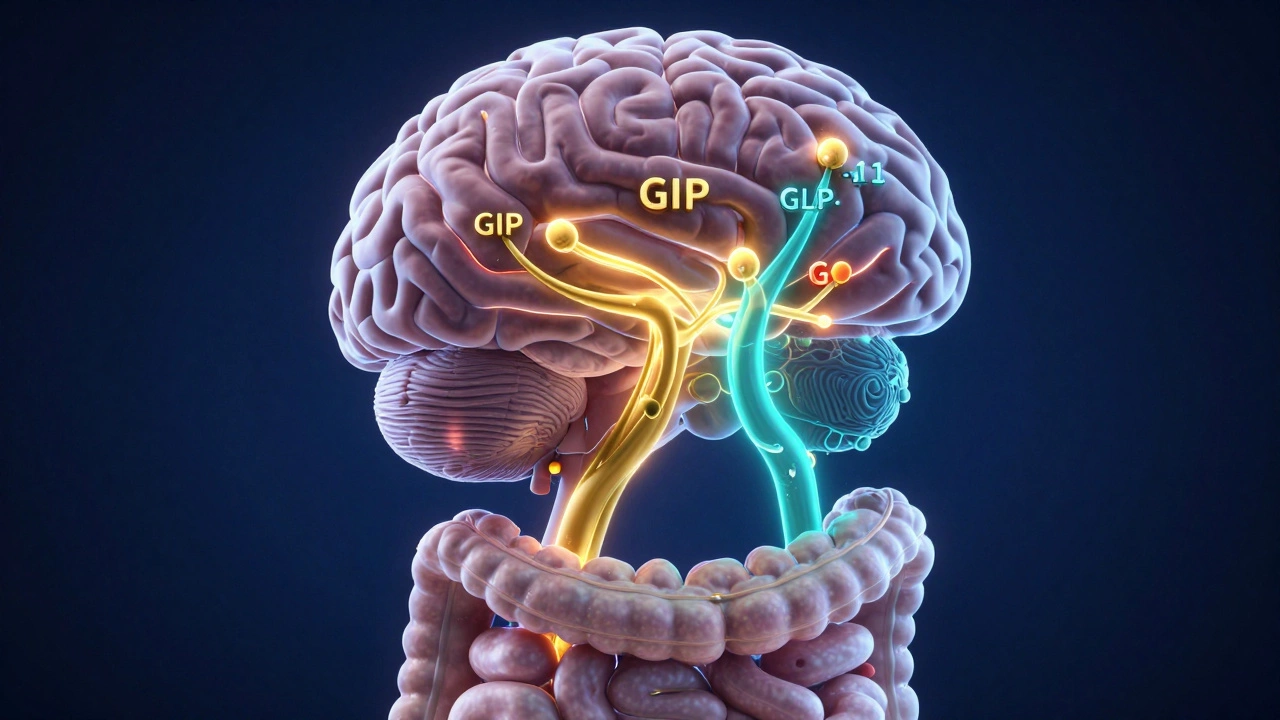
When we talk about Mounjaro is a medication containing the active ingredient Tirzepatide, developed by Eli Lilly to treat Type 2 Diabetes. It is a dual agonist, meaning it doesn't just do one thing. Most older weight loss drugs only targeted one hormone. Mounjaro targets two: the Glucagon-Like Peptide-1 (GLP-1) and the Glucose-Dependent Insulinotropic Polypeptide (GIP).
Why does this matter? Think of GLP-1 as the "stop eating" signal and GIP as the "metabolism booster." By hitting both, the drug slows down how fast your stomach empties and tells your brain you're full much sooner. For someone struggling with obesity, this shuts down the "food noise"-that constant mental chatter about the next meal-which is often the hardest part of dieting.
Can a Doctor Prescribe It Just for Weight Loss?
This is where it gets tricky. Since the FDA officially approved Mounjaro for the treatment of Type 2 Diabetes, prescribing it for someone who doesn't have diabetes is called "off-label" prescribing. Is this legal? Yes. Doctors do this all the time. If a physician believes the benefits of weight loss-like reducing the risk of heart disease or joint pain-outweigh the risks, they can prescribe Mounjaro even if you aren't diabetic.
However, you should know about Zepbound. Eli Lilly released Zepbound, which is literally the exact same drug (Tirzepatide) as Mounjaro, but it is specifically FDA-approved for weight loss. If your goal is purely weight management and you don't have diabetes, your doctor will likely aim for Zepbound. Why? Because insurance companies are much more likely to cover a drug that is officially approved for the condition being treated.
| Feature | Mounjaro | Zepbound |
|---|---|---|
| Active Ingredient | Tirzepatide | Tirzepatide |
| FDA Approval | Type 2 Diabetes | Chronic Weight Management |
| Mechanism | GLP-1 & GIP Agonist | GLP-1 & GIP Agonist |
| Insurance Coverage | Easier for Diabetics | Easier for Weight Loss Patients |
Who is a Good Candidate for Tirzepatide?
Not everyone should be on these medications. They are powerful tools, not a quick fix for losing five pounds before a vacation. Generally, weight loss clinics look for patients who fit into a few specific categories. First, people with a Body Mass Index (BMI) of 30 or higher. Second, people with a BMI of 27 or higher who also have a weight-related medical condition, such as high blood pressure, sleep apnea, or high cholesterol.
If you've tried everything-Keto, Paleo, gym memberships, and calorie counting-and your weight simply won't budge, you might be a candidate. These drugs help the people who have a biological predisposition to regain weight. It's not about willpower; it's about how your Endocrine System manages hunger and satiety.
The Reality of Side Effects and Risks
It's not all sunshine and weight loss. Because Tirzepatide slows down your digestion, your gut has to adjust. Many people experience nausea, vomiting, or diarrhea, especially when they increase their dose. If you don't eat enough protein while on the drug, you might experience significant muscle loss, which can actually slow down your metabolism in the long run.
There are also more serious, though rare, risks. Some patients have developed Pancreatitis, an inflammation of the pancreas, or gallbladder issues. This is why you cannot simply buy these pens online from a random website. You need regular blood work and a doctor to monitor your kidney function and pancreatic health.
How to Get Started Safely
If you're considering this path, don't just ask for Mounjaro by name. Instead, have a conversation with a healthcare provider about your metabolic health. Here is a typical path a patient takes at a reputable weight loss clinic:
- Initial Consultation: A doctor reviews your medical history, checking for a family history of medullary thyroid cancer or Multiple Endocrine Neoplasia syndrome type 2 (both are contraindications for these drugs).
- Baseline Testing: Blood tests to check A1C levels, kidney function, and lipid panels.
- Dose Titration: You don't start at the highest dose. You usually begin at 2.5 mg once a week for four weeks to let your body adjust.
- Lifestyle Integration: Combining the drug with a high-protein diet and resistance training to prevent muscle wasting.
- Monitoring: Monthly check-ins to track weight loss and adjust dosages (moving up to 5 mg, 7.5 mg, etc., as needed).

The Long-Term Perspective: Is it Forever?
One of the biggest questions people ask is, "Will I gain it all back if I stop?" The honest answer is: possibly. These medications manage a chronic condition. When you stop taking them, the GLP-1 and GIP signals return to their previous levels. If you haven't built a sustainable eating habit and enough muscle mass, your appetite will return, and the weight may creep back.
This is why the goal isn't just a number on the scale. The goal is using the drug as a bridge to change your relationship with food. While the medication does the heavy lifting for your appetite, you still have to do the work of choosing nutrient-dense foods. Think of it as a training wheel for your metabolism.
Is Mounjaro better than Ozempic for weight loss?
Generally, yes. While Ozempic (Semaglutide) targets only the GLP-1 receptor, Mounjaro (Tirzepatide) targets both GLP-1 and GIP. Clinical trials, such as the SURMOUNT studies, have shown that Tirzepatide typically leads to a higher percentage of body weight loss compared to Semaglutide alone.
Can I take Mounjaro if I don't have diabetes?
Yes, doctors can prescribe it off-label for weight loss. However, they may suggest Zepbound instead, as it is the same medication but officially approved by the FDA for weight management, making insurance approval much more likely.
How long does it take to see results?
Most people notice a decrease in appetite within the first week. Significant weight loss typically becomes apparent after the first month, as you move from the starting dose (2.5 mg) to a therapeutic dose (5 mg or higher).
What are the main side effects to watch for?
The most common are nausea, diarrhea, and constipation. More serious but rare side effects include pancreatitis and severe gallbladder problems. Always report severe abdominal pain to your doctor immediately.
Do I need to diet while taking Mounjaro?
Yes. While the drug suppresses appetite, you must focus on high protein intake to prevent muscle loss. A balanced diet ensures you lose fat rather than lean muscle, which is critical for maintaining your metabolism after the treatment.
Next Steps and Troubleshooting
If you're feeling stuck or unsure where to start, the best move is to visit a certified weight loss clinic. Don't be discouraged if your primary care physician is hesitant; some doctors are less familiar with the newer dual-agonist medications. Seeking a specialist in obesity medicine can provide you with a more tailored titration schedule.
If you start the medication and feel extreme nausea, try splitting your meals into smaller portions and focusing on hydration. If you notice a complete lack of appetite, don't stop eating entirely-focus on protein shakes to protect your muscles. If you experience severe, radiating stomach pain, stop the medication and contact your provider immediately, as this can be a sign of pancreatitis.